Where Is Their God?

Where Is Their God

Let the priests, who minister to the Lord, weep between the porch and the altar; let them say, “Spare Your people, O Lord, and do not give Your heritage to reproach, that the nations should rule over them. Why should they say among the peoples, ‘Where is their God?’” (Joel 2:17)

Where Is Their God

The nation of Israel was the most powerful of all the nations of the world in their zenith. Called the apple of His eye, the Lord looked over His people with great care and providential protection to bless them with all the storehouses of His heavenly glory. No one could stand before the might of the army of Israel as the power of God gave them victories over all their enemies. The nations surrounding Israel feared the God of the Hebrews for centuries because of the stories of how the people had defied Egypt and the army of Pharaoh. Long before the nation arrived in Canaan, the fear of Israel had spread among the people of Jericho and surrounding cities as told by Rahab, the harlot. Throughout the rise of Israel, God’s power was seen as the might and force of wrath upon those who opposed this nation. When Solomon solidified the nation as one great body of the chosen people of the Lord God, no nation would dare raise their hand against them. Following the death of Solomon, the united nation of Israel fell into civil unrest and divided among the tribes as evil kings used their power to lead the people into the practice of idolatry and immorality. For the northern ten tribes, there would never be an escape. God’s wrath would utterly destroy them under the might of the Assyrians. The remaining two tribes of Judah and Benjamin would remain for many years after the fall of Samaria but would find themselves under the yoke of the Babylonian masters in 586 B.C. Prophets like Joel pleaded with the people to turn back to the Lord and seek the mercy of a benevolent God but the people refused. When the Temple of Solomon was destroyed the world knew the God of Israel had forsaken His own people to the might of the Babylonians.

The real tragedy of the destruction of the Temple and the defeat of Israel was the image left upon the hearts of the nations around them. Wars were fought among peoples based upon the power of their gods. One nation would oppose another nation as a conflict between the gods of the attacking army and the gods of the defending army. When victory was gained, the conclusion was the victorious army’s god was greater than any other. When Assyria and Babylon defeated Israel it was a victory in the minds of the pagan kings of their god being more powerful than the God of Israel. When the Babylonians entered the Temple of Solomon and walked into the Holy of Holies unharmed it was a clear message to the nation of Israel that God had forsaken them to the whims of the pagan Gentiles. The prophets had repeatedly told the people the Lord would allow this to happen if they did not repent. What the Assyrians and Babylonians did not know is that Jehovah God allowed them to destroy His people and the Lord kept a remnant alive as He had promised through the Babylonian captivity. The greatest shame the rebellious people of Israel did was to bring reproach against the name of the one true God, Jehovah, Lord and Creator of all things. The invading armies would ask, “Where is their God?” when they were slaughtering the people of Israel. Because of the willful rebellion of the people, the name of God was being blasphemed among the nations. Jehovah was being ridiculed for lacking power. The Babylonians believed their gods were greater than the God of Israel. They were mistaken of course because the power of God allowed them to take Israel captive but the message was clear. The people of God abandoned their faith and the people of the world saw no glory in their God.

Jesus Christ came to earth and gave His life to create in His body, the church, a people that would glorify, honor, praise and worship the Father. The power of God has been promised to all His people who believe in Him and fill their lives with His beauty, wisdom, and grace. One of the greatest dangers to the church is the insincere lives of His people who deny the power of God in their daily walk allowing the world to question why they would serve a God who has abandoned them. What the world does not know or appreciate is that God has not failed the child but the child has turned away from the Father. The life of too many Christians leaves the impression on others that God is not real, He does not save and He does not care about them. Looking at the lives of many saints, this would be the only conclusion. Why would anyone want to become a Christian and live such a miserable existence as those who proclaim to be children of God and have no joy? The world asks, “Where is their God?” The nations around Israel wanted to see how powerful God was in the lives of the Israelites and found nothing. What does the world see in the hearts of those who profess Jesus Christ? When the heart is void and empty of God’s grace the world will see the same void and deny God. The Lord must be working and active in the hearts of His people so the world can see the power of God changing lives. Unchanged lives declare God is dead. The trumpet of repentance must be heralded in the hearts of the church to be alive in Christ and serve the Lord God with devotion and love so the people of the world can know how God changes lives. Where is God in your life?
 

Posted in Uncategorized | Leave a comment

They Thrust Him Out Of The City

luke 929

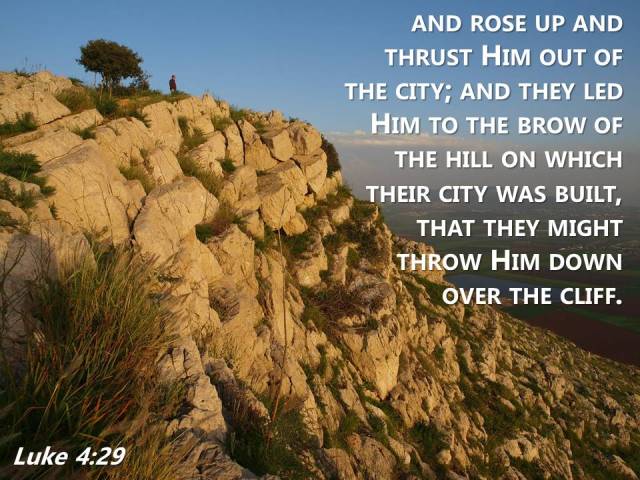
So all those in the synagogue, when they heard these things, were filled with wrath, and rose up and thrust Him out of the city; and they led Him to the brow of the hill on which their city was built, that they might throw Him down over the cliff. Then passing through the midst of them, He went His way. Then He went down to Capernaum, a city of Galilee, and was teaching them on the Sabbaths. (Luke 4:28-31)

They Thrust Jesus Out Of The City

The city of Nazareth was a place of insignificance bearing a reputation of obscurity by the words of Nathaniel who thought nothing good could come from such a city. For nearly twenty-five years the family of Joseph and Mary raised their children in a town filled with carpenters. Jesus grew up in Nazareth along with his half-brothers James, Joses, Simon, and Judas along with His half-sisters. For the people of this small Galilean town, the family of Joseph and Mary were model citizens who were not unlike the common people of the region who worked hard and scraped out a living in a harsh land. There was nothing unusual about the family of Jesus with the exception that He was a very bright and well-mannered young man. It was not unusual to see Jesus in the synagogue of Nazareth reading from the text and discussing the Law with the teachers. At the age of thirty, the son of Nazareth began taking on the role of an itinerant teacher who quickly began to gather followers around Him. His fame began to spread through Israel with the authority of His teaching and something His fellow citizens of Nazareth had never seen before: miracles. Returning to His home, Jesus comes to Nazareth and as was His custom in the past, takes up the reading in the synagogue. After He closed the reading of the prophet Isaiah, Jesus declared to His fellow citizens that He was the fulfillment of the words of Isaiah. The people marveled at the gracious manner of the boy they knew as Jesus, son of Joseph and Mary. Jesus goes on to explain that He was the fulfillment of the text and that while they may have desired miracles to prove He was the Christ He would not because of the hardness of their hearts. Angered by the accusation against them, everyone in the synagogue grabbed Jesus and dragged Him out of the city to kill him. They pushed, shoved, kicked and thrust Him out of the city in their anger with the purpose of taking Him to the brow of the city to throw Him to His death. The manner of their taking Jesus was violent. There was no gentleness in their actions and no love in their hearts. They were filled with such anger and hatred they were guided by the mob mentality enraged by a blood thirst for death. As they approached the brow of the hill to cast Him down, Jesus passed through their midst and went His way. It was not His time to die and no man could take the life of Jesus before His hour.

Looking at the scene in the synagogue in the first moments when Jesus stands before the people and reads from Isaiah is a remarkable time of clarity. He speaks of the spirit of the Lord being upon Him to preach the gospel to the poor and to heal the brokenhearted. The prophet proclaims the Christ will proclaim liberty to the captives and recover the sight of the blind. He would set at liberty the oppressed and proclaim the acceptable year of the Lord. The carpenter’s son declares the prophecy is fulfilled but the hearts of the people of Nazareth could only see a man who was nothing more than a carpenter’s son. When Jesus rebukes their unbelief they immediately are enraged against Him. They do not shout at Him or shake their fists at him in derision. The people are so filled with hatred and contempt they decided as a mob to kill this man. What they did not know is that when they put their hands on Jesus and violently thrust Him out of the city, He had the power to call twelve-legions of angels to defend Him and destroy every soul in Nazareth. Jesus could have called down fire from heaven or commanded the earth to open up and swallow alive all those who manhandled Him. The Father watched as they brutally shoved His Son out of the city and He did nothing. Jesus Christ, Son of God did nothing until it was time. He released Himself from the grasp of the brutes that held him and walked through the midst of them and went His way to Capernaum. Thank God for the patience and love of Jesus to do nothing until His time.

There were a number of times in the short ministry of Jesus that people wanted to kill Him and they would not succeed until it was His hour. He was mistreated by many people on the road to the cross and yet He did nothing. The journey from the synagogue to the brow of the hill would take a little time and be filled with violence. Jesus did nothing. The people were so filled with hatred they could not see the love Jesus had for them. He grew up among them and they knew Him to be a man who never caused any troubles, problems, and disrespect to His fellow man. They had no cause to treat Jesus with anything but respect, honor, and concern but their hearts were filled with the wickedness of sin and they wanted to kill one of their own. When the gospel began to spread throughout the region of Galilee the unanswered question is how many of those who desired to thrust Jesus to His death on the brow of the hill overlooking Nazareth came to believe in the death of the man from Nazareth as the Christ. Would they be thankful the Son of God did nothing that day until His hour had come? They thrust Him out of the city but Jesus would wait until the day He was taken out of Jerusalem to die for all those in Nazareth. What a day of rejoicing that would be for those in Nazareth who believed that Jesus, son of Joseph and Mary, the carpenter’s son, was, in fact, the Messiah, the Christ, the Son of the living God.


Posted in Uncategorized | Leave a comment

The Purpose Of Tithing

tithing purpose

You shall truly tithe all the increase of your grain that the field produces year by year. And you shall eat before the Lord your God, in the place where He chooses to make His name abide, the tithe of your grain and your new wine and your oil, of the firstborn of your herds and your flocks, that you may learn to fear the Lord your God always. (Deuteronomy 14:22-23)

The Purpose Of Tithing

There is always a reason and a purpose for the law of God. What may seem trivial laws to man are very important to show the willingness of men to obey the word of the Lord or follow their own precepts. The struggle with sin is deciding whom to fear. From the beginning of time, the Lord has placed before humanity the ability to choose whom they will serve and more often than not man has looked to his own wisdom and rejected the will of God. Under the Law of Moses, the Lord demanded one-tenth of everything the child of God possessed. While tithing is highlighted in the Law of Moses it was custom as ancient as the days when Abraham gave Melchizedek king of Salem a tithe of all he had. The Mosaic law required the people to tithe in three places: the seed of the land (crops), the fruit of the trees (oil and wine) and the herd or the flock. In separating the herds and flocks, the Lord required every tenth animal without the man regarding the animal in any way. He could not choose which animal to give to the Lord. If he tried to give the Lord a different animal than the one counted under the number as the tenth, both animals would be consecrated to the Lord. The law of tithing was not a trivial law instituted by God to obligate the people to a bureaucratic system of commandment keeping. Requiring the people to give a tenth of their crops, fruits, and animals to the Lord was purposed to teach the people to fear the Lord their God and understand all their blessings came from Him and Him alone. The Lord taught the nation of Israel that He owned everything in the world and He had need of nothing, yet this same Lord demanded the people offer to Him one-tenth of their possessions to instill in their hearts love and devotion to His benevolent care for them.

Man is a fickle creature that can easily fall prey to the covetousness inclinations of hoarding worthless things for his own pleasure. Wars have been fought as men take from others possessions of bounty, loot, and treasures. One of the major reasons for crime stems from the desire to take things from others so that a man can live in splendor, opulence and possess all the gold in the world. Greed will fill the heart of the ungodly who worship the power of money. The Scrooge mentality of hoarding an inheritance of things drives men to waste their lives in the self-indulgence of earthly possessions. Under the Law of Moses, the Israelites were required without recourse to deliver one-tenth of their possessions to the Lord God or suffer the consequences. It would be hard for a man to give unto a God he could not see possessions he knew his God did not need. The lesson was not in the tenth animal or the tenth produce; what God intended to show the people was not to trust in the fleeting treasures of this world but to trust in the power of His will to care and provide for them. Asking a man to give a tenth of what he owns is the litmus test of fidelity. The law exacted a heavy toll on the produce of the people but the greater lesson was to teach the people to fear the Lord their God always. There is special emphasis on the last part of the admonition: this lesson was to be before them always.

Tithing was a regulatory part of the Law of Moses and when Christ abolished the Law of Moses the requirement of tithing was also abolished. God does not require a man to tithe today. Under the covenant of Christ, returning to the Lord a portion of man’s goods is still required and commanded through the law of free will giving as one lays by in store on the first day of the week. What has not changed is the purpose of the law. Under the Law of Moses, the portion of giving was specified as one-tenth. In the New Testament church giving is based upon the heart of the individual. The one thing that has not changed is the purpose: men learn to fear the Lord when they give on the first day of the week. It would be easy for the Lord to declare that all men give a tenth because then the compulsion would be laid out and no questions of loyalty would be given. However, a greater test now lies before the heart of the child of God because the Lord leaves it up to the individual to determine the amount he gives. The amount one gives is based upon how much a man fears the Lord God always. Often the question is given how much should a person give in the age of the church. The answer is not a numerical figure but a condition of the heart. It is evident by contribution numbers in many churches today that few saints give even one-tenth of their possessions. This comes from too many of God’s people squandering their lives in perpetual debt and offering to the Lord pennies on the dollar when it comes time to give. What many fail to see is their giving is in proportion to their heart. The Lord’s work is hindered because the hearts of the brethren are fearful of not having enough stuff to fill their barns than the fear of the Lord. Tithing was not given to Israel so God could fill His coffers with grain, oil, and sheep. He tested the hearts of the people and their giving one-tenth taught them to fear him. Now the Lord allows the heart of His church to show how much they fear him. Ask yourself this question: how much do you fear the Lord always?

Posted in Uncategorized | 4 Comments

If There Is One God There Is One Church

Is-There-Really-Only-One-Church-Title-Pic

There is one body and one Spirit, just as you were called in one hope of your calling; one Lord, one faith, one baptism; one God and Father of all, who is above all, and through all, and in you all. (Ephesians 4:4-6)

If There Is One God There Is One Church

In the fractured religious world of Christianity, there is at least one common denominator shared by all denominations. For the most part, Protestant churches believe there is one God. Various religions of the world claim to be polytheistic denying the claim of the one God or one Creator but by in large those under the umbrella of a system of faith in Jesus Christ accept the teaching of monotheism. What is contrary to the acceptance of one God is the denial that one God would have one church. The reasoning is that there is unity in diversity where all men can worship the one God in the fashion they choose and desire. In every church of the land, the belief is held firmly in a loving God full of grace and mercy but to suggest this same Lord has one church flies in the face of conventional wisdom and acceptance among different faiths. Since the days of Martin Luther who successfully began the break away from the apostate church of Roman Catholicism, Christianity has been a multi-divided group of believers in Christ that is not united in name, belief, practice and teachings and yet gladly proclaim the division among followers of Christ is acceptable by the one God they worship. All of this is contrary to the doctrine of Christ.

Paul’s letter to Ephesus is an outline of the glory of the church revealed by God to show His manifold wisdom is sending Jesus to the earth as a sacrifice for the sins of man. The Lord came to establish His church and He spoke of this often in His teachings. He told Peter the church would be founded upon the lordship of Jesus is the Christ, God’s Son. Before ascending to His father after the resurrection, Jesus instructed the eleven to remain in Jerusalem where they would be given power and authority to preach the gospel of salvation. On the Day of Pentecost, the most incredible event took place in the history of man. Because of the death, burial, and resurrection of Jesus, all men could come to the throne of the Father and receive the remission of sins through the blood of the Lamb. The church of Christ began on the Day of Pentecost and has continued unabated for more than two thousand years. Paul taught the early disciples there was one God and there was one church. Ironically if a man stood on a street corner in Athens, Greece and proclaimed there was one God he would have been assaulted by the citizens for preaching such heresy. If this same man stood on the corner and preached there was one church few people would take notice. The reason is there were no other churches at this time. Every Protestant church existing today is less than five hundred years old. There were no Lutheran, Methodist, Baptist, Episcopalian, Catholic or Presbyterian churches in the First Century. Paul boldly taught there was one church because there was only one church.

The connection between one God and one church cannot be missed. Modern theologians have decided that diversity in religion is a good idea and nurtures the soul of man to know God better. What they deny is there is one God because if they teach there are many churches they must also teach there are many Gods. If there is one God there can only be one church. Many churches suggest many faiths and Paul declared there was one faith. From the beginning of time, God has demanded that man worship Him as the sole authority and law. Adam and Eve rejected the word of God and His sovereignty for the smooth words of the serpent. The Law of Moses began with the words there is only one God. When Christ built His church He did not say He would build many churches. There is only one church and that kingdom is found on the pages of the New Testament. If the church you belong cannot find their name in the New Testament then it is a man-made church created to salve the conscience of the whims of men. When you examine the worship, teaching, and practice of your church and you cannot find a pattern in the New Testament then you belong to an apostate faith. The plan of salvation is outlined clearly within the pages of the New Testament. You will never find salvation by grace alone, faith alone, goodness alone or the sinner’s prayer because that is not part of the one church ordained by the one God who gave all men one faith through the one Lord. There are not different kinds of baptism like pouring, sprinkling, and immersion. The only baptism practiced by the New Testament church is the one baptism of immersion. There is only one hope given to man through the word of the one Spirit that gives the message of truth through the revelation of the word. Christ is the head of the body and the body is the church. There is one body and that body is the church that belongs to Christ as He is the only head. No Pope, Vicar, President, Apostle or Prophet is the head of the church of Christ as there is only one body, one church, and one head. Do you believe in one God? Believe there is one church!


Posted in Uncategorized | Leave a comment

The Politics Of A Christian

faithpolitics1

Let every soul be subject to the governing authorities. For there is no authority except from God, and the authorities that exist are appointed by God. Therefore whoever resists the authority resists the ordinance of God, and those who resist will bring judgment on themselves. (Romans 13:1-2)

The Politics Of A Christian

There is nothing more polarizing than the discussion of politics in a land where freedom of speech is an inherent right of citizens. On the surface, being able to fully express an opinion of the leaders of the land is a unique and historical experience rarely enjoyed throughout the history of man. For many generations and most cultures, autocratic rule characterized the plight of most people as they fell under the hands of tyrants, despots, and rulers who exercised their personal whims to their own desires. When the apostle Paul wrote his letter to the saints in Rome, he addressed a clear challenge to the thinking of the people of God who lived in the midst of the power struggles in the Roman Empire. Rome was the center of the empire as it stretched throughout the known world. All of the politics of the Roman Empire filled the city squares, marketplaces, baths, streets and homes of this great city. Remarkably, Nero was the emperor at the time of the letter to Rome. The Holy Spirit did not hesitate to guide the mind of Paul to admonish the early Christians they must subject themselves to the rule and authority of the Roman government. There was no freedom of speech in Rome. Castigating the name of the Caesar would bring certain imprisonment or death. One of the striking personalities of the early church is found in the writings of Paul and Peter when they both admonish the saints of the Lord to give honor to the king and to live in subjection to the rule of the land. This would not be a choice from the Roman perspective and it was certainly not a choice from the view of God. He commanded His children to live quiet and peaceable lives giving honor to those who were in authority whether they were good or bad. There is no question that when the government requires the child of God to act in such a manner that is in conflict with the will of the Lord the citizen of the kingdom of God must serve the Lord first. In reality, many of the things required of the Roman citizens were not in conflict with the word of God but would be very unpleasant and harsh in the standards of the American freedoms enjoyed today. With that as a backdrop, Paul admonished the Christians to subject themselves to the rule of Rome as one established by the word of God.

The only authority that is of importance is the one given by the Lord God Almighty. Every soul must be in subjection to the governing authorities because there is no authority but that which is ordained by God. To resists the authority of the government is in rejection of the will of the Lord and will bring the wrath of God upon the soul. This was a remarkable statement for the early Christians to understand but they did not have the problems carrying out this command because they did not live in the land of the free, the brave and the politically savvy Christian who believes that his rights as an American citizen are more important than his relationship with Jesus Christ. If there is a greater lesson from this text for the Christian who lives in America it is to remember that before a person is a Republican, Democrat, Independent or whatever affiliation they claim to be – first and foremost they are servants of the Lord God. The only politics in the life of the Christian is allegiance to the King of Kings and Lord of Lords. Too many Christians in the American ethos of political mudslinging and disrespect find themselves immersed in the politics of a culture filled with hatred, disrespect, and dishonor to the leaders of the land. This is sinful when a child of God dishonors the President, Senators, Representatives, Governors, Mayors, Commissioners and local dog catcher because they believe they have the inherent right of freedom-loving-citizens to voice their opinion on Facebook, Twitter, snap this and snap that and every other form of nausea based electronic device known to man. The Father in Heaven commands His children to be subject to the governing authorities and to resist that authority resists the ordinance of God.

God is not red, white and blue. To be political and salute the flag is an honor for the citizen of this country to recognize the freedoms allowed where expression of thought is accepted. Those freedoms are quickly being eroded by the humanistic, amoral and ungodly agendas of a world filled with wickedness but until those laws go contrary to the will of the Lord (as found in the Bible; not in the American consciousness of political freedom), the child of God must be an example of purity, kindness, respect, and honor to all men – especially those who are in authority. Peter will later write that a Christian must honor the king. That word has not changed. The politics of a Christian come from the word of God as a citizen of the Kingdom of God serving the Lord only. Allegiance to the cross of Jesus Christ is the only loyalty that fills the heart of the Christian. The speech of the member of the church of Christ is guided by the words of grace that fill the pages of God’s message. Through the example of godly men and women who show honor to those in authority, the light of Christ will shine in an ever increasing dark world. Serve Christ who has all authority.

Posted in Uncategorized | Leave a comment

Parents Of Faith

faith choice

By faith Moses, when he was born, was hidden three months by his parents, because they saw he was a beautiful child; and they were not afraid of the king’s command. (Hebrews 11:23)

Parents Of Faith

The Egyptian government was the most powerful empire in the world. It ruled with great might and influence among all the nations. No one would dare go against the law of Egypt especially the command of the Pharaoh. There were no courts of mercy when a person could appeal his case to a higher authority because the only authority was the word of the sole rule of the land of the Nile. Pharaoh was a wicked despot who enslaved his people for his own glorification. No regard was given to humanity. Death would be the sentence at the most trivial matters. Slaves were killed by the thousand to fund the building projects of the Egyptian’s vanity. Enslaved many years before, the Hebrews bore the brunt of the wrath of Pharaoh as he put them into forced labor in mortar, in brick, and in all manner of service in the field. Fearing the foreigners would become too numerous, the Egyptian ruler declared a law that would change the face of the world. He commanded his people to kill all male Hebrew newborn babies. If a baby was born to the Hebrews and an Egyptian found the baby boy, it was to be cast into the Nile to die. This was not a suggestion but a lawful command from the throne of Pharaoh. There is no record of how many babies perished in this terrible ethnic cleansing policy. When a time of birth was to be a time of rejoicing, fear filled the homes of expectant mothers as the gender of the child was revealed at birth. If a girl was born tears of relief filled the house but if a boy was born there was dread and fear and possibly death for that child. The law of the land allowed citizens to kill Hebrew babies that were male.

Amram, the grandson of Levi and great-grandson of Jacob, married Jochebed, his father’s sister and they had a son named Aaron and a daughter called Miriam. Like their fellow Hebrews, Amram and Jochebed lived under the severe hand of the Pharaoh. Their life was filled with harsh conditions, impossible burdens and the fear of an ever-increasing hostile land. To their dismay, news came to their home that under Egyptian law, all male children born to the Hebrews was to be killed. Jochebed became pregnant with their third child. Would it be a boy or a girl? Life and death were held in the balance. When the day of deliverance came for their child to be born they looked into the eyes of a beautiful baby boy. There would be dread at the news knowing that prying eyes could discover the gender of the newborn and death would be swift. Wrapping the child in swaddling clothes, they took every effort to hide the little boy from the people. It was not easy to hide a crying baby. Three months passed as they carefully kept secret from the law enforcement officials their third child was a boy. Trusting in the care of the Lord, they devised a plan to leave the three-month-old baby in an ark of bulrushes near the place the daughter of Pharaoh came to bathe. The baby boy was discovered and taken by Pharaoh’s daughter to be her son calling him Moses and the rest is revealed as the history of God’s people. Moses’ parents had incredible faith in the power and providence of God to protect their child. Living in a world where news of a baby boy would bring immediate death for the child and possibly for anyone caught hiding them, Amram and Jochebed believed in a greater power than the fearful Egyptian military. They were not afraid of the king’s command. The law of the land demanded death for the male children but the parents of Moses feared the Lord God more than the Egyptian government. Moses bore the Egyptian name that would endear him to the pinnacle of Jewish history but his parent’s faith was instilled in his heart to serve God before all others. The life of Moses is filled with victories and mighty failures but constant in the heart of Moses was a faith he first saw residing in the heart of his parents. They did not fear the command of the king and trusted in God to deliver them.

The church must be filled with parents like Amram and Jochebed that live each day with a devoted faith in the power of God to live in their lives. For now, no law requires the death of a newborn male child (although abortion is murdering thousands of God’s children daily) but the faith of Amram and Jochebed must be emulated in the hearts of God’s people. Their faith was firmly established in their lives before the decree came down from Pharaoh. Faith did not come from reading the Law of Moses, the Prophets, Psalms or the New Testament gospels and epistles. None of the Bible had been written at this time. Sadly, the Hebrews had been in bondage to the nation of Egypt for many generations. The descendants of Abraham, Isaac, and Jacob were living in a foreign land far away from the promises made by God to bless the Hebrews. The people believed in the power of God in a world far from the grace of God’s blessings. Amram and Jochebed followed the will of the Lord in the faith they had to trust in His word and believe in His promises. When the king declared a law putting a death sentence on their son, the parents of Moses turned to the Lord. Godly parents will take the word of God and put it first in their own hearts and then instill in the minds of their children to be in love with the Lord, His word and His way. The struggle of faith to overcome the persecutions of life will only come from hearts that are fully trained by the word of God. Parents of faith are fathers who lead as men of God and mothers who show the grace of God in their lives. Let their children rise up and call them blessed because they know God. Parents of faith are parents who are of faith.

Posted in Uncategorized | Leave a comment

Time To Repent

break up fallow ground

Sow for yourselves righteousness; reap in mercy; break up your fallow ground, for it is time to seek the Lord, till He comes and rains righteousness on you. (Hosea 10:12)

Time To Repent

The days of Uzziah, Jotham, Ahaz, and Hezekiah, kings of Judah were filled with turmoil, strife, and rebellion against the word of God. Jeroboam II, the son of Joash, reigned in Israel and was a corrupt despot who did that which was evil in the sight of the Lord. God called Hosea, the son of Beeri, to be His prophet among the people and used the marital circumstance of the prophet to illustrate the poverty of the people of God in committing spiritual harlotry against the Lord and by the grace of the Lord find redemption in His love. There could be no greater burden to bear than what was asked of Hosea to show the people through his own life how they had forsaken the Lord as a bride to her husband and the eternal nature of forgiveness to take his adulterous wife back. Throughout the book of Hosea, the judgment of God is proclaimed against His people. This message is tempered with the hope found in the grace of the Lord to forgive the people if they would repent. Everything depended on the children of Israel to change their hearts, minds, and souls to serve the Lord and He gave them the path to make that choice. The need for repentance is delivered to the people in figurative language. If they would sow for themselves righteousness changing their hearts to receive the mercy of God there would be hope. Israel would need to give up her present life of rebellion and turn to the Lord in full assurance of the promise of hope found in Him. The time to seek the Lord was pressing upon them before full judgment would come. Sowing, reaping and breaking up the fallow ground is how the heart of the nation must turn to the Lord. It is a radical, abrupt and complete change to reject the idols of Baal and seek the will of the Lord. There can be no alternative. If Israel was to be saved, repentance was necessary.

It is the sad story of rejection that fills the pages of God’s people. Hosea and the prophets tried in vain to steer the people away from the impending doom but the people would not listen. Israel was taken away by the Assyrian armies never to be seen again as a people. The only two tribes remaining would face the wrath of the Babylonians many years later with only a remnant returning. The downfall of Israel was the failure to repent and change their hearts. Sin had corrupted the nation of God filling it with the trappings of idol worship and immorality. God had given them a simple formula to follow to find His grace, mercy, and love. Sowing the seeds of righteousness would have yielded a harvest of hope but the seeds were never planted. Reaping the mercy of God did not happen because the seed was not sown that would save them. The fallow ground of their hearts was hardened with the deceitfulness of sin and could not be broken up. The nation had time to seek the Lord but they allowed the time to pass without repenting and the long-suffering of God ended. Bringing the nations of Assyria and Babylon against His own people was the measure of righteousness from the Lord who had warned His people to repent and they refused. His wrath was all that was left. Without repentance, there was no hope. The people were told to forsake their sin and they refused. God’s vengeance destroyed them.

Hosea spoke to the people of God 2700 years ago but his message still resonates for all men today. Christians must take heed to the message of Hosea to see how God deals with His own people mired in the tragedy of sin. “The sinner must forsake old habits and practices, turn up the weeds and roots of evil within, and be renewed in the spirit of his mind. The heart must be cleansed from lusts and corruption. Old things must pass away, and all things become new” (Preacher’s Homiletical). Righteousness must be sown in the hearts of God’s children through the knowledge of His word. Mercy will be harvested in the bounty of the Lord’s mercy when His people turn their hearts fully to Him. The fallow ground of materialism, immorality, and covetousness must be broken up with the power of the Holy Spirit to realize the promise of eternal life. It is time to seek the Lord. Repentance is the first word of the gospel of Christ and all men must repent and turn to Jesus to live. God’s grace will save all those who come to Him but unless the heart of man repents there can be no forgiveness. Israel tried to live in the world of Baal and the world of the Lord God. No man can serve two masters, the Lord said. Sowing, reaping and breaking up is the pattern for the Christian. Judgment will come against those who refuse to repent. What happened to Israel is the pattern of God’s righteous judgment. Accept His grace today with a penitent heart. Seek the Lord now.


Posted in Uncategorized | Leave a comment

This Song Shall Testify Against Them

mosesonthemountain

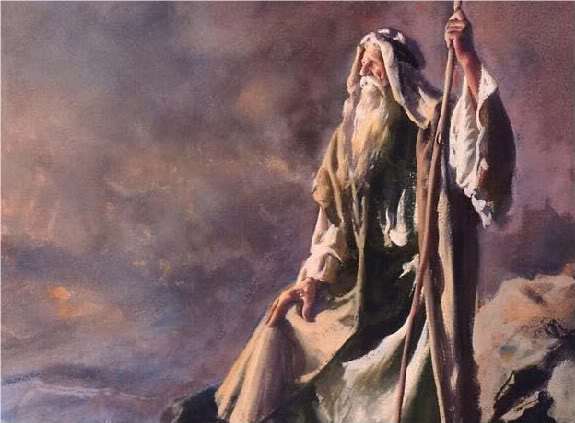
And the Lord said to Moses: “Behold, you will rest with your fathers; and this people will rise and play the harlot with the gods of the foreigners of the land, where they go to be among them, and they will forsake Me and break My covenant which I have made with them. Then My anger shall be aroused against them in that day, and I will forsake them, and I will hide My face from them, and they shall be devoured. And many evils and troubles shall befall them, so that they will say in that day, ‘Have not these evils come upon us because our God is not among us?’ And I will surely hide My face in that day because of all the evil which they have done, in that they have turned to other gods. Now therefore, write down this song for yourselves, and teach it to the children of Israel; put it in their mouths, that this song may be a witness for Me against the children of Israel. When I have brought them to the land flowing with milk and honey, of which I swore to their fathers, and they have eaten and filled themselves and grown fat, then they will turn to other gods and serve them; and they will provoke Me and break My covenant. Then it shall be, when many evils and troubles have come upon them, that this song will testify against them as a witness; for it will not be forgotten in the mouths of their descendants, for I know the inclination of their behavior today, even before I have brought them to the land of which I swore to give them.” (Deuteronomy 31:16-21)

This Song Shall Testify Against Them

It was a pivotal time for the young nation of Israel. After forty years the people of God were poised to enter the land their fathers were forbidden to possess. Moses was one-hundred-twenty years old and with strength not abated or eyes dimmed, he was a much a man of vigor as most men. Sadly, he would never be part of the conquest of the promised land as the Lord forbade him from entering the land because of his sin at the waters of Meribah Kadesh. In preparation of the next generation to cross the Jordan and take the land of Canaan, the Lord instructed Moses to give a final testimony to the people warning them of the dangers of apostasy and rebellion. The days were coming for Moses to die and in his final song to the people, the Lord would tell of the future of Israel as a time of rejection. By His mighty hand, the Lord brought the Hebrews out of Egypt leading them through the wilderness with His great power but the hearts of the people were always in rebellion. A new generation of Israelites had risen from the ashes of the rebellious Hebrews of Kadesh-Barnea but they were not unlike their fathers.  God knew the heart of Israel was bent on disobedience. He understood the inclination of their hearts. Israel would rise and play the harlot with the gods of foreigners of the land because deep down they longed to be like the nations around them. It was difficult for the people to completely devote themselves to the word of God and this would bring their downfall. The word of God would not be sanctified and it would be forsaken as Israel broke the covenant with the Lord who delivered them. This would happen not because God caused it to happen but the Lord knew the heart of the people was not strong. Israel had every reason to follow the will of God but they refused to dedicate themselves wholly to Him. Their eventual downfall came from their evil hearts turning away from the grace of God. The wrath of God would be visited upon them as the Lord promised if they rebelled against Him. Turning away from the mercy of the Lord would invite the anger of God and many evils and troubles would befall them. They would cry out that God had forsaken them and He had. The history of Israel would be paved with the prophetic words of Moses and confirmed as the eternal truth of the Lord through the song of Moses.

The Lord told Moses to write down a song and teach the children of Israel to know the song as a witness for God against His own people. It would not be a song of joy but a dirge of prophetic fulfillment to the knowledge of God. The Song of Moses warns of God’s wrath and justice against rebellion and would become the national anthem of Israel as they conquered the land, became a great kingdom under David and Solomon and implode as the kingdoms revolted and were destroyed by the Assyrians and Babylonians. Only a small remnant would be found in the days of Ezra and Nehemiah. When Jesus came to the earth many generations later the Jews were divided religiously and under the bondage of the Roman Empire. Israel entered the land of milk and honey and grew fat with the bounty of the land but turned their hearts to the gods of the land. They served the gods of the Amorites provoking the Lord God and breaking His covenant with Israel. Through the power of God the Lord would inflict many terrible things upon Israel and when they cried out in misery they would remember the Song of Moses as a testimony against them. God would not allow the song to disappear from the people. Each generation would know the Song of Moses and they would sing the song with mournful tones as a testimony to their rebellion to God. The Lord knew the inclination of the hearts of the people. He understood their failings would be their future. His word came true and the Song of Moses would remain throughout each generation reminding them of their rebellion against the Lord.

Reading the Old Testament is a window into the soul of man. God is full of love, mercy, grace and through His infinite power affords man the opportunity to find salvation. The other side of God is a wrathful Lord who will whet His glittering sword and make His arrows drunk with blood against those who reject His word. He has left numerous testimonies of His promises throughout the ages. The word of God is the final declaration of how His hand will take hold on judgment and render vengeance to those who oppose Him. The Song of Moses stood as a witness against the people and the Bible stands as a witness today against those who refuse to obey Him. His message has not changed. He knows the dispositions of the heart of men and how they refuse to honor Him as the only true God. There will be no excuses for those who stand before His judgment seat and seek ignorance as a cause for relief. None will be found worthy who has trodden underfoot the Son of God and defiled the blood of Christ shed for the remission of sin. John hears in the Revelation the Song of Moses as a prelude to the bowls of judgment testifying again of the words of God’s wrath to those who oppose Him. Israel should have heeded the Song of Moses as the witness against their sin. The Song of Moses fills the pages of God’s word to declare to all men the goodness and severity of God; on those who fall to sin severity; but toward you, goodness, if you continue in His goodness.

Posted in Uncategorized | Leave a comment

Helping The Saints In Judea

benevolence

And in these days prophets came from Jerusalem to Antioch. Then one of them, named Agabus, stood up and showed by the Spirit that there was going to be a great famine throughout all the world, which also happened in the days of Claudius Caesar. Then the disciples, each according to his ability, determined to send relief to the brethren dwelling in Judea. This they also did and sent it to the elders by the hands of Barnabas and Saul. (Acts 11:27-30)

Helping The Saints In Judea

The early church was an amazing model of generosity towards one another as members of the body of Christ. From its beginning in the city of Jerusalem, the church of God expressed their gratitude to the Lord by showing their kindness to those in need. Luke writes the first days of the church were filled with the sharing of all things common for the needs of man and many would sell properties to give to the poor and needy of the Lord’s church. When Agabus told of the coming famine, there was no hesitation on the part of the saints in Antioch to send relief to the saints dwelling in Judea. Each person, as they were able, contributed to the benevolent cause of taking what was theirs and sending it to people they had never met. The criteria was simple: there were saints in Judea that were in need and through the blessings of God they wanted to share what they had with those who had a greater need. What makes this more remarkable is that it is likely the Christians in Antioch were not all wealthy members and those who gave of their means were common folk who had enough to care for the family but desired to help others. Generosity is not measured by the amount of gold a man possess but our golden the heart of kindness will be toward those in need. Jesus watched a widow give all she had to the glory of God because of her love for the Lord. Barnabas, an early disciple in the church, sold land and willingly gave the proceeds to the church laying it at the apostle’s feet. Many others followed this pattern of benevolence. All those who had a need in the family of God were cared for by their brothers and sisters in Jesus Christ.

When Jesus was praying His final prayer with the disciples He told them the world would know they were the disciples of the Lord by the manner of their fellowship with one another. The first-century church exemplified the love for one another as a pattern for the church to follow in the generations to come. Brethren who are in need, need brethren who will care for them. The sacrifice of self is the foundation of how love is shown. According to the abilities of each family, relief was gathered and sent to the elders by the hands of Barnabas and Saul. There was no institution that had to funnel the relief through a bureaucratic organized agency that decided how the funds would be spent and to whom the funds would be given. In the simple pattern of New Testament authority, a single line of benevolence was administered by the disciples in Antioch to the saints who were in Judea. The shortest distance between two points is a straight line and the saints in Judea were immediately relieved by the kindness of fellow Christians living many miles away. Barnabas and Saul were trusted men who would transfer the funds from the appropriate place to the needy of Judea. The hand of disciples taking care of the needs of the early church is the pattern of New Testament benevolence. Receiving the funds the elders knew who needed what and how to distribute the gifts from other Christians. The modern church tries to create a backlog of distribution by leaving the pattern of the early church to a benevolent society fraught with administration and confusion. Judea was blessed by the saints of Antioch and there can be little doubt the reception of the gifts was very personal. Kindness is best served on a dish of personal worth.

Helping the saints in Judea is an example of how God designed the church to meet the needs of those who are able to give and those who are in need. It must have been an exciting time for the church at Antioch to rally together to send relief to a place far away to brethren. They probably did not know many of the brethren but they had the same Father. Taking a part of what God had blessed them to share their brothers and sisters in Christ was the most rewarding and profitable part of their lives. Children learned the gift of giving and love for one another. The saints united together to show unity in the bond of peace. As the brethren in Judea struggled during the famine the gifts from Antioch would endear their hearts to unknown brethren but a family that filled the earth. They would thank the Antioch church for their kindness in daily prayers. God would be pleased to see His children in Antioch send relief to His children in Judea. A smile would cross the face of the Almighty as He witnessed the love of the brotherhood exemplified by the church in Antioch and the thankful brethren in Judea. That same spirit must manifest itself in the church of the Lord today as the needs of the saints are met by the kind regards of brethren who from their own abilities show the love of God to others. The New Testament pattern will always accomplish the work of the Lord when the word of the Lord is followed.

Posted in Uncategorized | Leave a comment

Does God Get Hungry?

animal sacrifices

For every beast of the forest is Mine, and the cattle on a thousand hills. I know all the birds of the mountains, and the wild beasts of the field are Mine. If I were hungry, I would not tell you; for the world is Mine and all its fullness. Will I eat the flesh of bulls, or drink the blood of goats? (Psalm 50:10-13)

Does God Get Hungry?

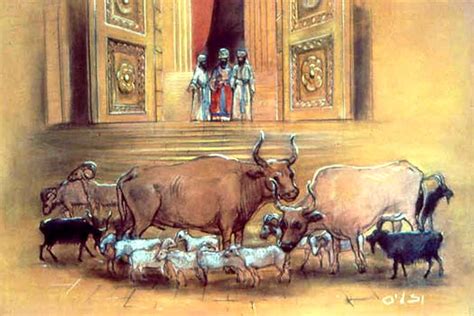
The problem with man and worship is that man thinks the more he can impress God the more God will be impressed. Nothing is further from the truth. Since creation, the Creator has demanded the creation offer adoration and praise to Him through the means of sacrifice, offerings, and oblations. Cain and Abel were the first mentioned as giving various forms of sacrifice to God. Abram was known for the altars he built to the Lord God. Israel was given a law prescribing certain rites and ceremonies that required the giving of sacrifices. What Israel failed to appreciate is that while the ceremonial laws contained in the Law of Moses required specific offerings at certain times they failed to appreciate the design of their sacrifices was to turn their hearts to serve the Lord God in accordance with His righteousness. In time they presented to the Lord their sacrifices, burnt offerings and offerings of bulls and goats but without a willing mind and devoted heart. Formal religion had become the norm in Israel as the people went through the motions according to the Law but had no recognition of truth, mercy, and justice. The psalmist Asaph declares the righteous indignation of the Lord against the folly of insincere worship where men go through the rites of sacrifice but have no love for God. It is ridiculous to think the blood of bulls and goats offered through indifferent hearts would impress the Lord when He owns all the beasts of the field as His own. God created the beasts and He knows how many there are on the earth. They belong to him – every animal in the world is a possession of the One who created them. Why would man seek to impress the Owner of the beasts with sacrifices from His own flock? God places before man a great parody when He suggests that if He were hungry, He would have no need to tell a man or to ask the man a favor. How impudent the spirit of man to believe he can impress God with what belongs to Him in the first place.

Worship is a relationship of the heart. Animal sacrifices were prescribed in the Law of Moses not to impress the Lord with the number of animals killed in offering their blood. The Lord did not need the burnt flesh of a bull or goat to satisfy His hunger for meat. If the Creator could be hungry He would not need a man to bring him food. He provides food to every beast of the field, bird of the air and fish of the sea. All of the animals belong to God. Sacrifice is nothing more than man returning to God what was His in the beginning. The exercise of worship is to create in the heart of man love and devotion to obey the word of the Lord, trust in the word of the Lord and to devote his total being to the honor and glory of the One is greater, mightier and more loving than anything man can imagine. Man worships God because he is made in the image of God. Only through the grace of the Lord will man be permitted to approach the throne room of the Almighty to seek petition and honor Him with songs of praise. There is nothing man can boast of when he comes to worship the Lord. Like the animals, man is a created being who must serve his Creator. It is a funny thing when man exalts himself in pride against the Lord God who made him. Even the angels smile at the futility of prideful man. If God were hungry, He has an abundant place to find food because He possesses all the earth.

The Law of Moses has long been taken away but the precepts of worship remain. It is easy for men to fall into the belief that more external personification of himself before God will impress the Lord with his worth. Formalist who try to worship the Lord with the outward show of pomp and circumstance are making themselves to be fooled before the One who owns everything in the world and the heavens above. What can man do to impress the Father who has a name for every star in the heavens? True worship is not the recitation of prayers, length of sermons or volume of singing in proper tune with the great formality of religious fervor. Jesus will declare to the woman at the well of Jacob that God is spirit and He must be worshipped in spirit and truth. Like Asaph declared in the holy writ of ancient poetry, if God were hungry He would not tell man for the world is His and all its fullness because God does not need a man to be the Almighty. The man was created by the One who existed before the world was created. When a man offers praise to the Lord and gives glory to Him and orders his life in accordance with the will of the Lord, he will receive the salvation of God. Then he has come to know how to worship the great I AM.

Posted in Uncategorized | Leave a comment