The Fruit Of The Spirit Is Love

fruit-of-spirit-love-1024x399

But the fruit of the Spirit is love, joy, peace, longsuffering, kindness, goodness, faithfulness, gentleness, self-control. Against such there is no law. (Galatians 5:22-23)

The Fruit Of The Spirit Is Love

On the Day of Pentecost when the first gospel sermons were preached, Peter made a promise that resonates over the generations as the wonderful blessing of God. Remission of sins is granted to those who repent and the gift of the Holy Spirit is bestowed on the hearts of new converts. There is joy in knowing the power of the Spirit working in the life of a Christian as a manifestation of a Father’s love for His children. In contrast to the fleshly works of sin, the fruit of the Spirit is a metaphor expressing how blessed the life of the Christian can be. From creation, the Lord ordained the world to bear fruit for the sustenance of man providing all his needs. The fruit of the ground gives man nutrients to feed his body and the fruit of animals provide food, drink and clothing. In the spiritual world, the fruit of the Spirit supplies man with all his needs.

The apple tree bears apples and the orange tree produces oranges.  Love is a fruit of the Spirit. There are many types of love. As the apple and orange bear the nature of the tree, real love can only come from the spiritual tree of the Holy Spirit. Sin destroys the character of love by using it for fleshly purposes. The only true kind of love is that which flows from the Holy Spirit yielding a fruit that when man partakes, gives him the greatest satisfaction and fulfillment. This kind of love is deeper, bearing fruit of its own in the heart. In the design of the church, God has placed the work of the Holy Spirit to fill the soul of man with an eternal love that flows beyond the boundaries of the fleshly world. A Christian is someone who learns the love of God in their life and expresses that love toward others.

Love is a learned process. This is why the Holy Spirit is vital to the nature of love. The basic character of love is possessed by all men but the deeper love of compassion, forgiveness and kindness can only come from the Spirit. Learning the word of God helps man see the compassion of the Lord and the power of forgiveness. If God so loved us how can we not love others? Our love for our fellow man is learned from the love God has for all men. Learning to love our husband or wife is found in the relationship of Christ and the church. Forgiveness cannot be accomplished without love and this type of love will only come from the fruit of the Spirit living in our lives. We forgive others because God has forgiven us. If there is no love in the heart, forgiveness will never happen.

The fruit of the Spirit is love and this love guides us in the affairs of the heart. There is greater joy and peace because of a love flowing from the throne of God. Life is seen clearer through eyes of spiritual love. Contentment reigns in the heart when the fruit of the Spirit dwells in the soul. The more we fill ourselves with the loving fruit of the Spirit, the more filling our lives will be in peace. Love is showered upon us because of the love of God and we drink deeply of the nectar of eternal love that flows throughout our bodies. What a joy to experience the fruit of the Spirit and being filled with love. Partake of the fruit of the Spirit and seek out the orchards of love He offers to all who will come. This fruit is everlasting.

Posted in Uncategorized | 2 Comments

Nothing Has Changed

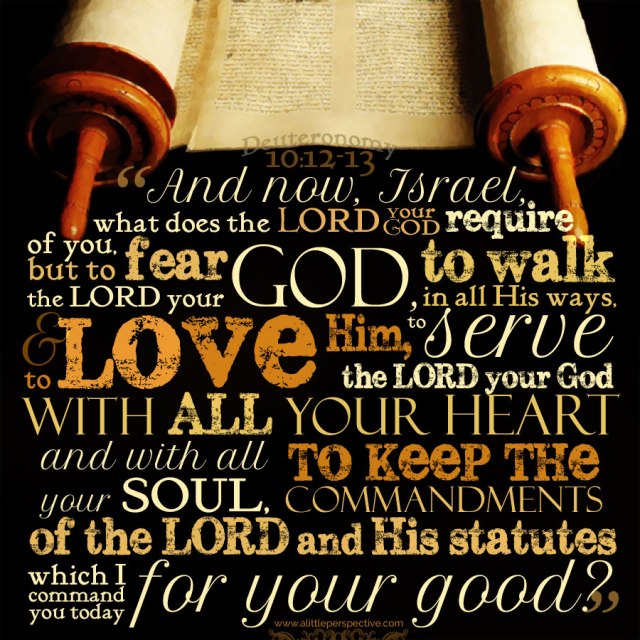
deu-10-12

And now, Israel, what does the Lord your God require of you, but to fear the Lord your God, to walk in all His ways and to love Him, to serve the Lord your God with all your heart and with all your soul, and to keep the commandments of the Lord and His statutes which I command you today for your good? (Deuteronomy 10:12-13)

Nothing Has Changed

The Law of Moses was given to the children of Israel over three thousand years ago but the principles of the covenant between man and God have never changed. In fact, what is contained in the Law of Moses was not a new theology but the same principles that began in the Garden of Eden when the Lord placed man in the garden. Today the covenant of God with man is contained in the body of Christ with the same principles Moses enumerated in his final thesis to Israel. The Lord has taken away the Law of Moses but He did not change His mind of how man should worship Him. What the Lord requires of all men has never changed because He has never changed. His law to Abraham and the Law to the Jews was unique in its structure but lacked the power of cleansing sins through the blood of animals. Only in the blood of Jesus Christ can redemption be found thereby removing the implications of Abrahamic law and the Law of Moses. Salvation is only in the name of Jesus Christ.

Serving God begins with the fear of the Lord. Man must understand who he is as man and who the God of Heaven has always been. The problem man finds himself in turns upon his denial of authority in the Creator. There is no fear in the heart of man. Salvation begins with fear. It is the clear understanding of two things: there is God and man is not Him. Man must fear God to be saved. This fear comes from the respect, honor and glory deserving of the Lord God Almighty.

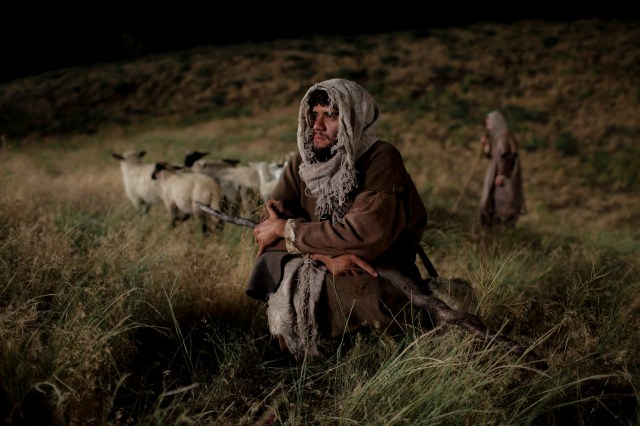
Secondly, fearing the Lord demands walking in the ways of the Lord. It is not in man to know how to walk in this world because he is helpless, in need of a Savior. The sheep is a vivid example of the state of man. He is an animal that has no defenses to protect him from wild animals and he is unable to know where to find green pastures and still waters. Only the shepherd can provide for the sheep. The animals trust the shepherd and will follow him because they know he is their protector. Man must walk in the ways of the Lord to find peace, happiness and protection. Obedience to the word of God is not just a good idea but a lifesaving decision. Man cannot walk in his own way because he will fail. Fearing the Lord demands going where the Lord directs, walking in a manner chosen by God and following wherever the Shepherd leads. His choice – not mine.

Love is basis of obedience. Doing all that is in the word of God is from a heart that is fully devoted to the commands of the Lord. He knows what is best for us looking out for our welfare and safety. Keeping the commandments of the Lord is not a harsh relationship but filled with a love to please the Father. No greater joy is brought to the heart of the child than following the will of the Father. Obedience expresses love and magnifies it. Fear and love are the building blocks of a deep relationship of obedience. A love that wants to please the Father is an active spirit of serving the Lord with a full heart and soul. There is no middle ground to this kind of love. We must fall madly in love with God and spend our life showing how much we love Him. He is our life, our existence, our future, our today, our hope and promise and our guide. There is nothing we want to do that will hurt my God. Every part of my heart is filled with a constant longing to talk with the Lord and to hear His words in my ear. Serving God with all the heart and with all the soul will not leave room for things of the world. He will be my all in all and the fullness of my soul.

Serving God requires commandment keeping. The health and wealth religion of today proclaims a salvation by feelings and joy, denying man must do anything to save his soul. Moses declared the people of Israel must keep the commandments and statures commanded by God. That did not originate with Moses. Adam and Eve lost their place in the garden because they did not keep the commandment and statute of the Lord. The early world of Noah was destroyed for the same reason. God emphasized this in the Law of Moses. Jesus declared the same message when He taught His disciples that loving Him was keeping His commandments. Salvation comes through the grace of God but faith without works is dead. God’s will has never changed. If men refuse to obey the commandments and statutes of the Lord, they will be lost.

Nothing has changed. What does the Lord require? Salvation is through Jesus Christ and what a glorious redemption is found in the love of God. The will of God has not changed. Fearing the Lord with a heart devoted in love, keeping the commandments and statutes of the God is still required. He commands this for our good and our good will only find eternal life when we follow the requirements of the Lord.

Posted in Uncategorized | Leave a comment

The Sterling Character Of Young Women

girl-reading-bible

That they admonish the young women to … be discreet. (Titus 2:4-5)

A Sterling Character For Young Women

There are many things parents should be teaching their children and especially is this true to young women. The Bible is filled with admonitions of parents instructing their children in the paths of righteousness. Some of the great characters of scripture are young people who stood against insurmountable odds like Joseph, David, the maiden from Israel who served Naaman and the boys of Babylon: Daniel, Hananiah, Mishael and Azariah. Young people will always have a vital part in the work of the Lord.

Paul writes a letter to Titus whom he left at Crete to preach the gospel and set in order the things lacking in the church. Among the instructions to ordain elders and teach sound doctrine is the admonition for the character of young men and young women. Older men and women should be teaching the younger generation and the youth of the day should heed the instructions of the older. Among the many characteristics of godliness for young people to possess is the importance of being discreet.

The idea of being discreet is in contrast to what indiscretion means. To be discreet suggests being sober-minded, sensible and in control of oneself. Indiscretion is having lack of judgment, careless, rash and with no thought of the consequence of actions. Youth has a tendency to be vain but discretion will temper such temptations. Older women should teach younger women to be subtle and unobtrusive, modest without the ostentatious or flashy trappings of the world. Godly women will follow a course of sobriety in their demeanor exercising discretion in all they do.

One of the important values of discretion is the preservation of character. Young women who are indiscreet will fall victim to the ways of evil. Learning how to be chaste and discreet keeps them from the folly of fleshly attraction, vain self-glory and many hurts that will last a lifetime. Paul calls this kind of teaching sound doctrine. Older men and women teaching younger men and women to preserve their character in the holiness of the Lord is the doctrine of truth. Teaching young women discretion is teaching them how to dress modestly in shamefacedness. A dress that is too short on a young woman will become a dress too short on an older woman. Faces that are painted with layers of powder will become faces filled with the vainglory of the world. Attitudes without self-control will grow into lives that are out of control. Pride formed in the heart of the child will become haughtiness in the spirit of adulthood.

The admonition of older women teaching younger women to be discreet can be harmonized with the instructions of those who desire the position of a bishop. There is an emphasis upon a man having self-control (same word as used in the text for young women) and it is clear he cannot serve unless he has the quality of discretion. Paul’s admonition of sound doctrine for young women should be viewed in the same light. If it is necessary for a man to possess discretion as a shepherd of God’s family, why should not the emphasis be put upon young women learning to be discreet? If the character is good for one it is necessary for the other. Older women must begin teaching younger women to be discreet. This begins in the home with the father and mother instilling in their daughter(s) what discretion means from the word of God. Here is the key: the Lord put this in His world so that we would follow His commands. How can we do any less? Let our daughters be women of God, full of good works, kind, helpful and possessed of meekness.

Posted in Uncategorized | Leave a comment

What Is The Faith In Christ?


paul felix

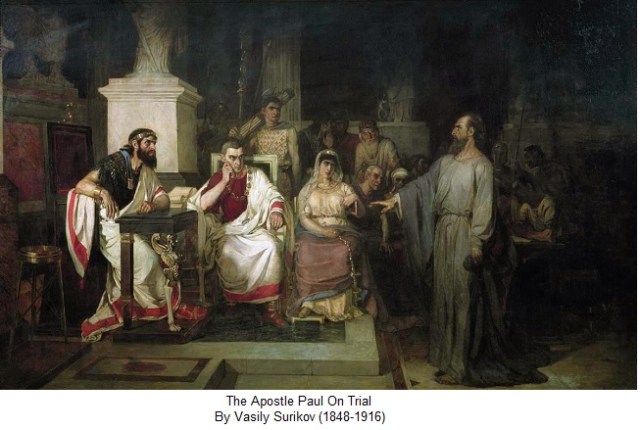
And after some days, when Felix came with his wife Drusilla, who was Jewish, he sent for Paul and heard him concerning the faith in Christ. Now as he reasoned about righteousness, self-control, and the judgment to come, Felix was afraid and answered, “Go away for now; when I have a convenient time I will call for you.” (Acts 24:24-25)

What Is The Faith In Christ?

The apostle Paul had extraordinary opportunities to preach before many different types of people. He helped bring a Philippian jailor and his family to the gospel and stood before kings and rulers sharing the same message. The audience would change but the message of Jesus Christ would not. Felix was a Roman governor in the city of Caesarea. After a plot was discovered to kill Paul, the apostle was delivered to the governor to hear the case against him and Paul used this time to do what he loved to do: tell the story of Jesus. The title of his sermon could be called “The Faith In Christ” and it contained three points.

The faith in Christ is about righteousness. Preaching about Jesus is declaring the nature of what is right. Adam Clarke defines righteousness as “the principles and requisitions of justice and right, between God and man; and between man and his fellows, in all relations and connections of life.” The basic tenets of faith in Christ must begin with the authority of God and who determines what is right and wrong. Man has always tried to establish his own righteousness and failed miserably. The only body of truth that is truth is the law of God and His law alone. From the beginning of time, there has been a measure of what is right and the consequence of what is wrong. In a world of acceptance of any moral code, the authority of God must first be established. Preaching Jesus begins with showing all men there is a rule of law that declares righteousness by the will of the Father. Felix needed to hear this message especially as his life was anything but righteous.

The faith in Christ is about self-control. Understanding what is right helps a man learn to control the passions of the heart, soul, mind and body. The greatest need for all men is the ability to exercise discretion and wisdom is curbing the passions of the flesh. This begins with righteousness but faith without works is dead. The message of righteousness must be carried out in the life of the individual. Preaching Jesus is about self-control. The Son of God died on the cross as a pattern of self-control to follow the will of the Father. There is no excuse to allow a lack of self-control to guide our lives. Jesus set the pattern and we must follow His example. The word of God helps us learn to control the desires of the flesh, curbing the pride of life and seeking those things that are holy. Children of God are not reckless. Righteousness fuels the heart of man towards those things that are pure, righteous and holy. Self-control comes from learning about Jesus Christ.

The faith in Christ is about the judgment. There can be no hope if a man denies righteousness and self-control. Failing in these two points brings a man to judgment. One of the greatest lies Satan convinces men to believe is there are no consequences to their actions. There is a judgment and a day is coming when all things men do will be brought before the throne of God. Preaching faith in Christ demands the knowledge of the judgment of the Lord on the final day. It will be without respect of persons. There will be no appeals. Right and wrong will be adjudicated by the mercy and grace of God and sadly – the majority of people will be lost. One of the main reasons a man will be lost is failure to believe in the judgment to come. It is real. It is coming.

Preaching Jesus is telling all men of the righteousness of God, self-control and the judgement to come. Anything less is not the faith in Christ. Felix listened intently to the words of Paul and was greatly moved by the message. His heart was touched by the power of the gospel and there was an appeal to make a decision for God. He chose to wait for another day to become a Christian but that day never came. Sadly, he will stand before the Lord and remember the aged apostles who stood before him and preached the faith in Christ. He will remember the lesson of righteousness and the need to control self. The final point of Paul’s sermon will be staring him in the face. There really is a judgment. To his eternal horror, it is too late. Are you ready for judgment?

Posted in Uncategorized | Leave a comment

Show Me, Teach Me And Lead Me


shepherd

Show me Your ways, O Lord; teach me Your paths. Lead me in Your truth and teach me, for You are the God of my salvation; on You I wait all the day. (Psalm 25:4-5)

Show Me, Teach Me And Lead Me

Three-point plans are easy to follow. They are simple, direct and easy to remember. The scriptures abound with these spiritual bullets describing the nature of God, man’s relationship to the Father and how to be pleasing to the Lord. David knew the power of serving his Shepherd experiencing the delivering hand from danger of the bear and lion. The child of God has always learned how great the Father’s love in His deliverance coupled with the knowledge of His word. Faithfulness is not a passive activity but active and vibrant to learn all there is to know about the will of God.

David prayed for the Lord to show him His ways so he would know how to walk. As a shepherd, the son of Jesse would learn much about his God from the universe he witnessed in the sun, moon and stars. The world was abundant with the testimony of the hand of the Lord in creation as he looked upon the valleys, mountains and seas abundant with life. It was a marvel to consider the works of the divine hand in the beauty of the earth. David longed to know the word of God and its power in his life. He desired to possess the knowledge of the Father trusting in His word instead of his own. Knowing the will of God would bring happiness. David hungered and thirst after the wisdom of righteousness and the way of the Lord.

There is something more than seeing the power of creation or hearing the word of God. David’s prayer was to learn how to walk in the paths of truth. He was not a hearer only but one who desired to do what the Lord required. As a student, the man of God sought the Master Teacher to instruct him in His ways. There is a hungry heart willing to follow the word of God alone in David. This desire is tempered by the willing mind to accept the teaching of God without reservations. He would not be like so many who listen to only the parts of God’s law they agree with. David believed that if the Lord said it, he would obey without question. Asking the Lord to teach him was a statement of devoted faith to follow whatever was required of the Lord.

Knowledge is best served when it is kept as a guide in life. First David wanted to see the word of God and then he declared he would obey the will of the Father. He also understood this would become a practice in his life as he prayed for the Lord to lead him by His word. Faith alone cannot save a man but the active evidence of continued obedience to the will of the Father. David committed his life to letting the truth of God lead him and teach him. He knew the only hope of salvation was in God and there was no other. He could not save himself and no man could guide him. His trust was firmly placed in the Father and his daily desire would be the word of the Lord. He waited on the Lord to show him, teach him and guide him.

The psalm of David is a powerful tool for the Christian to learn how to walk pleasing to the Lord. Let our daily prayer be for God to show us His power and His majesty; teaching us the paths of righteousness through a devotion to His word and our willingness to walk daily for the Lord in our life. Show me, teach me and lead me.

Posted in Uncategorized | Leave a comment

A Three-Point Church Plan

Thessalonica_TextTitle

We give thanks to God always for you all, making mention of you in our prayers, remembering without ceasing your work of faith, labor of love, and patience of hope in our Lord Jesus Christ in the sight of our God and Father, knowing, beloved brethren, your election by God. (1 Thessalonians 1:2-4)

A Three-Point Church Plan

The church at Thessalonica was a well-known group of devoted, active and loving saints. Luke’s observation in the Acts of the people of Berea being more fair-minded than those in Thessalonica is dismissed when Paul writes his first epistle to the church of the Thessalonians. This church was on fire. The brethren at Thessalonica were an example of true devotion to the gospel message of Christ. They had been idol worshipers but had turned to serve the living and true God. That was a tremendous act of faith on their part in a world given over to idol worship. Their faith had sounded forth all over the world for their faithful example and diligent work. If there was a congregation of God’s people to emulate, the church of the Thessalonians in God the Father and the Lord Jesus Christ was the model. In the beginning of his letter, Paul outlines three points that made this congregation stand out.

The church at Thessalonica had a work of faith. Their faith was not contained within the confines of their assemblies. Faith was a living work in their daily lives. Surrounded by every form of idolatry the early saints rejected long held traditions and cultures wrapped up in the world of idol worship. This would have subjected them to ridicule and persecution but their faith was stronger. Paul alludes to the great amount of affliction they endured because of their faith. Families were separated as some began to believe in one Lord, one Faith and one God. The church was active in their work of showing their faith to others. Being a Christian was not a prosthetic worn on Sunday only; these Christians had a faith that was an example in all the believers in Macedonia and Achaia.

It was clear the church at Thessalonica enjoyed a labor of love. Faith was not alone in their labors as they manifested the spirit of Christ in helping others, sharing the gospel with neighbors and friends and working diligently in a community that was not easily accepting to the teaching of one God. Love was not passive but active. The pagans of Thessalonica recognized the life of this little church was impressed with the concern for others. A labor of love suggests a love for people. They had a concern for the needs of others and showed that love by putting forth a hand to help and a compassionate heart to lead. Neighbors might not agree with the doctrine of the Thessalonians but they would recognize the example of Christ in the lives of the brethren.

What kept the work of God in Thessalonica vibrant was the patience in hope as they served the Lord. Living in a world of paganism would bring its own trouble. Many would never be able to accept the doctrine of one God. There would be difficult days for the saints as persecution and affliction assaulted the church and its members. It was not an easy task to serve Jesus Christ but they continued in faith because they knew the word of God was true. The church at Thessalonica suffered many things because of their faith but they continued to walk worthy of God who called them into His own kingdom and glory. They looked for a home beyond the borders of this world. Their hope was set firmly in a city made without hands. Their glory and joy was found in the promise of eternal life.

The church at Thessalonica had a three-part plan and they put it to good use. It made them an example to others for their faith in the world that persecuted them. Any church today would do well to follow this model. There must be a work of faith, a labor of love and a continued patience to endure trials and tribulations so the gospel can go forth teaching others the message of redemption in Jesus Christ.

Posted in Uncategorized | Leave a comment

We Do Not Come To Church We Come To Worship

worship in prayer

And Moses said to Aaron, “This is what the Lord spoke, saying: ‘By those who come near Me I must be regarded as holy; and before all the people I must be glorified.’” (Leviticus 10:3)

We Do Not Come To Church We Come To Worship

The church of the Lord in Corinth faced many challenges and Paul’s letters to the saints exhorted the brethren to understand the true purpose of worship. There were divisions, carnality, immorality and a chaotic public worship that brought shame upon the church. Worship had become a place of confusion and losing its design for the glory of God. The assembly had turned into whatever people wanted to do allowing the world to creep in destroying the spirit of worship. Lost in the confusion was a façade of reverence and respect for the holiness of the Lord. Imagine the memorial of the death of Jesus Christ as just a common meal. The pride of possessing spiritual gifts created divisions among the church. Prayers were not from the heart, singing was lifeless and the spirit of worship was suppressed. The Lord was not pleased with the worship of Corinth.

Problems face all churches in worship. The world has a great appeal to the heart and often worship services become dull, boring and without life. Sometimes the period of worship becomes a challenge to focus because of the distractions that multiply through the audience. Key to understanding the nature of worship is to remember why we are gathered. Boredom and distractions originate from ourselves. Gathering on the first day of the week is a command and there is no choice about the matter. Failing to assemble on the first day of the week is a sin that can deny one eternal life. Aside from the obvious, failing to worship God in spirit and truth can also bring judgment from the Lord. The problem at Corinth is not isolated. If we fail to remember the purpose of our assemblage is to praise the Lord God then we will easily be distracted. We are not there to sing a few songs, amen a couple of prayers, eat come crackers, drink some juice and listen to a man drone on for thirty minutes. It seems that eternal life is like getting a ticket punched on a train that we ride in mundane silence hoping the ride will end soon so we can go home and eat lunch. Checking my name off a list is about all worship means. Worship has a purpose and must be done with purpose.

It is hard to imagine how blessed it is to come together as God’s people to worship Him – read that again – worship Him. What an honor. What a privilege. What a glorious time. And then it happens. The singing starts and we do not sing because we do not have an operatic voice. A prayer is murmured and we have no idea what the man is saying because our minds are worrying about what we will do for lunch and if it will be better to shop at this store or another. The singing begins again and then the Lord’s Supper is passed around. We laugh and whisper to our neighbors, look around and play with the little folk. Our minds are so far from Calvary we might as well be living on the moon. The contribution is passed around sometime and we throw in our two-cents. Another song. What time is it getting to be? The preacher stands up. Okay. Time to get comfortable. Play with the children. Read a book. Do some homework. Make faces at the kids again. Draw a picture. Eyes close in slumber. Three hours later (at least it seems that long) the invitation hymn is sung and freedom is moments away. The crowd hears the ‘amen’ and the hinges on the door fling open. Worship is done. Checked that day off. Praise the Lord. Can’t wait to be in Heaven where we get to do that in eternity.

In the book of Nehemiah, it tells of a time Ezra opened the book of the Lord and the people stood up. The sons of Korah declared a day of worship as filled with glory and being the doorkeeper in the house of God was an honor. There is a need in the church today to rekindle a proper attitude toward the worship of the Almighty Lord God who dwells in righteousness, holiness and glory. What we do in our worship is an act of holiness toward the Living God who gives us life and breath. It is NOT a time to allow children to play, talk and disrupt the sanctity of the worship. The purpose of the worship is to focus attention on God. School homework needs to be left at home. Reading magazines, books and secular material insults the Lord. Allowing children to play on electronic devices teaches them that worship is a time of play. At what age are you going to tell them they can no longer bring their electronic devices to worship? Parents make a serious mistake when they allow their children to use the worship time to play because they are teaching their children to disrespect God. Children can be taught to sit quietly and participate in the worship by singing, bowing their heads in prayer and taking notes of the sermon. They must be taught to respect the Lord’s Supper in remaining quiet and paying attention to what is going on. Worship to God is worshiping God. Adults who use their smartphones for other purposes than a Bible program disrespect the Lord. If you cannot resist the urge to check Facebook during the service – leave your cell phone in the car. It will be better to go through worship without your smart phone than to lose your soul.

The book of Malachi describes the modern plight of worship. The people were wearied with worship to the Lord and offered Him their leftovers. He was not pleased and He is not pleased with the kind of worship that allows children to disrupt services, parents allowing children to play instead of pray and adults who are bored out of their minds doing work from their jobs, texting and surfing the internet. What we do in worship is holy. Failure to engage in worship that is with spirit and understanding creates an atmosphere of nonspiritual and ignorant pew sitters. We do not come to church – we come to WORSHIP!

Posted in Uncategorized | Leave a comment

My High Priest Knows Me

TEMP19

Seeing then that we have a great High Priest who has passed through the heavens, Jesus the Son of God, let us hold fast our confession. For we do not have a High Priest who cannot sympathize with our weaknesses, but was in all points tempted as we are, yet without sin. Let us therefore come boldly to the throne of grace, that we may obtain mercy and find grace to help in time of need. (Hebrews 4:14-16)

My High Priest Knows Me

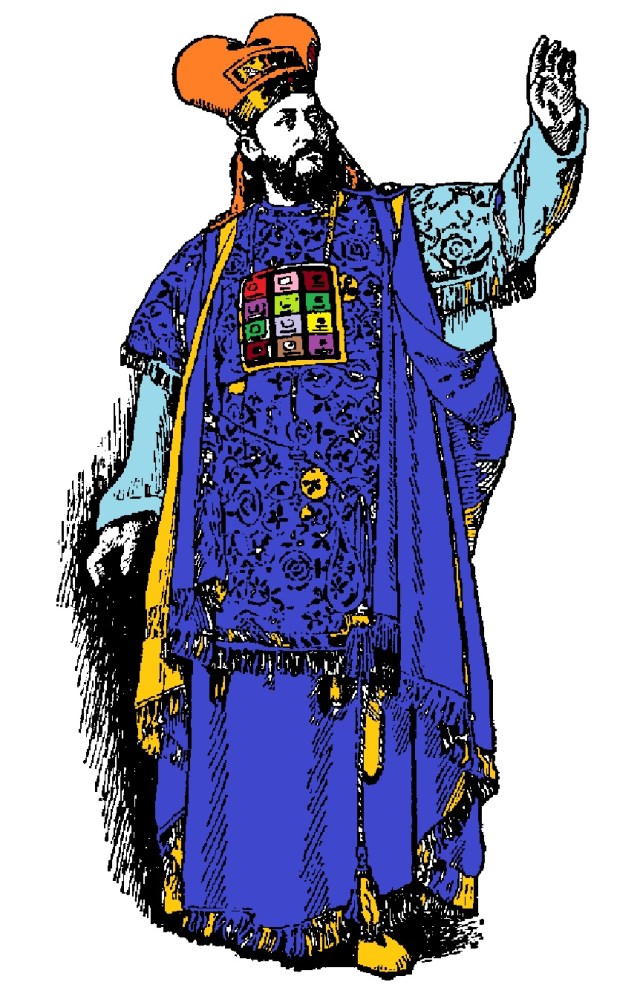
Central to the Law of Moses were the sacrifices of the priests on behalf of the people. The Levitical priesthood came from the first High Priest, Aaron. Not all Levites were priests; only the sons of Aaron. The need for priests came about when sin separated man from God and priests served as the representative of the sinner in things pertaining to the Lord. Once a year, the High Priest would enter the Holy of Holies in the Tabernacle and later the Temple, to offer sacrifice for the sins of the nation. This was called the Day of Atonement. He would take a young bull as sacrifice for his own sins and a ram for a burnt offering. Two goats were taken before the tent of meeting and lots would be cast to determine which goat would represent the Lord and which goat would become the scapegoat. The goat chosen for the Lord would be sacrificed and his blood sprinkled upon the mercy seat. Confessing the sins of the people, the High Priest would lay his hands on the scapegoat, which was led far away into the wilderness as a sign of the removal of the sins of the nation.

The writer of Hebrews uses the image of the High Priest to show what a blessing the covenant of Christ should be for the child of God. Under the Law of Moses, sacrifices were made for the High Priest before He was able to make sacrifice for the nation. Aaron was the first High Priest and his sons were the lineage of the succeeding High Priests. This were sinful men. The best of the High Priest were still stained with the curse of sin requiring blood washing to remove their sins before making atonement for the people. When the High Priest went into the Holy of Holies, he was an imperfect man stained with the sacrifices of his own need for atonement. Under Christ, we have a High Priest that has no sin requiring no sacrifice on His part for atonement. He became the Lamb of God by offering His sinless body as atonement for the sins of the world.

What is more significant to the sacrifice of Jesus is the difference between the High Priest under the Law and Jesus as High Priest. When Aaron went into the Holy of Holies to make atonement for the people, he was knowledgeable of his own sin. It was not possible that Aaron could sympathize with all of the weaknesses of the people and their struggles with sin because he was a finite man, limited in presence, knowledge and understanding. He knew his own sin but he did not know the sin of the people. There was nothing Aaron could boast about in his own life of perfection because he did not have a life of perfection. He was as guilty as the people were. Jesus is not such a High Priest. He was tempted in every fashion as we are and yet He did not sin. That is hard to grasp to the majesty of Jesus’ love for man. The High Priest we have today can sympathize with everything we are challenged with because He was in the flesh battling the same disease. The difference is that He was able to overcome without sin.

Having Jesus as a High Priest is further understood by knowing that He knows all about my life. Aaron knew about his life but not the problems of the individual. The High Priest that is Christ knows all about my needs – personally. He died two thousand years ago but he knows my struggle today. There are six billion people in the world but Jesus knows everything there is to know about me. Sin is the plague that afflicts every man and woman on the face of the earth and Jesus sympathizes with my struggles and failures. My High Priest is my High Priest because He died for me and cares for my life. The Son of God takes personal time to know who I am and what I am doing. His Father forgives me of my sins because I am His child. Jesus died to save me and to help me and give me boldness to stand before the throne of His Father and obtain mercy. Me. Personally. My sins. My challenges. My dreams. My hopes. My Savior. I do not need to fear to enter the Holy place of God because Jesus is my High Priest and through His atonement I can come to the throne of grace to help in time of need. And when is there a time that I do not need by Father? I have a High Priest who passed through the heavens and Jesus is His name. I will hold fast the confession of my faith. Thank you God for your sacrifice. I am so blessed to have my High Priest.

Posted in Uncategorized | Leave a comment

What Is On Your Dinner Table?

dinner table prayer

Better is a little with the fear of the Lord, than great treasure with trouble. Better is a dinner of herbs where love is, than a fatted calf with hatred. (Proverbs 15:16-17)

What Is On Your Dinner Table?

Central to every home is what is found at the dinner table. The hearth of the family spirit is expressed by the unity of the father and mother gathering with their children around a table of wood. One of the most powerful tools for building a family is seldom used in our hectic, hurried and harried world. Technology has replaced conversation. Schedules destroy family time. Relationships are compromised for the pursuit of the American dream. The picture of God is shunned away in a dust covered Bible unopened for lack of time and interest. Placed on the altar of trivial pursuits is the fatted calf of prosperity, pleasure and poverty of spirit. Families are dysfunctional for a reason. Conflicts in marriages and battles with teenagers are the norm. Treasures fill the house and garage but there is no fear of the Lord in the heart of the home.

The family is being torn apart and dismantled by the failed belief that more is better. Husbands and wives work tirelessly to live the life of material gain. Parents spend little time with their children because they are trying to keep their heads above the tsunami of financial woes that engulf them with worry. Books are written touting the wisdom of man to find peace and prosperity in harmony and still the elusive dream of contentment fails to materialize in a material driven world. Long ago, the Lord God who made man answered the question of life in a simple proverb that shows the deepest meaning of life known to man. It is better to have a little and be happy than to spend a life of woe to have more.

Contentment is the elusive dream. We have been convinced that happiness will only come if we have more and more, we work all our lives to gain the greatest things in the world, and then we die. We take nothing with us. Great treasure brings its own trouble. One of the first things people do who win the lottery is buy a security system. Why? They did not need one before. Now they worry that someone will come and take away their newfound wealth. Wealth did not bring happiness but pain, worry, anxiousness and fear. Fearing the Lord and enjoy a little is where real joy comes. A dinner of herbs with a loving family is better than building a home of wealth where there is no love.

The dinner table is the barometer of the family. How many families sit down together daily for a meal? This requires everyone present, seated in a chair and no cell phones within 1000 feet or IPads or other devices and the television turned (wait for it) off. No one is allowed to rush out before dinner is over. A magical thing begins to happen. Parents talk (that is a communication term) with their children and children (including teenagers) have a conversation (involves mouth, ears, eyes and brain) with their parents and siblings. The table may be filled with herbs but the family is together and sharing in their love for one another. There is nothing wrong with having a fatted calf on the table – as long as the family is gathered at the dinner table with love for one another. The lesson in the proverb is what the dinner table represents. Be honest and ask how many times the family gathers for a meal during a week. One of the main reasons this seldom happens is because everyone is trying to gain greater treasure and fill the freezers with more fatted, dead calves. What is the conclusion? There is little love and when there is little or no love, there is hatred.

Society is not destroying the home. The home is destroying society. Dinner tables filled with great treasures instead of the fear of the Lord and tables filled with the sacrificed calves of prosperity tear apart the unit of the family. Families who do not sit down at the dinner table together are setting themselves up for failure. The conclusion of the matter is the fear of the Lord and a plate of herbs is more important than a home filled with the trappings of prosperity. What is on your dinner table?

Posted in Uncategorized | Leave a comment

The Most Influential Man In History

influence1

The book of the genealogy of Jesus Christ, the Son of David, the Son of Abraham: (Matthew 1:1)

The Most Influential Man In History

Time Magazine has come out with its 100 most influential people of our time. The list includes pioneers, titans, artists, leaders and icons. There are familiar faces like President Trump and Kim Jong Un who fill the headlines with political intrigue. The list includes the degradation of our moral compass like Bruce Jenner and the transgender movement. There are scientist, researchers, inventors and power brokers in the business world including movie stars, athletes and a host of others who fill the lists. A list of influential people is relative to who is making the lists. If I were to make a list of the most influential people in my life, it would never match the list someone else would make.

Influence is the effect of something on a person, thing, or event whether good or bad. A person can have an influence or power to sway others by their actions. Any lists of influential people will have a number who are cruel despots who force the world to cater to their evil desires. Many change the world quietly working in their fields of expertise giving new hope in science discovery and advances in medicine. It is a confusing list to see how people have changed the world because across the face of the influences are questions about life, death, morality and the failed attempts of man to find the answer to his inner self. This is not a list of moral excellence. Far from it. These people have brought change. And the sad reality is that lacking from this list is the single most influential person in history – from the beginning of time itself: Jesus Christ.

Pundits would immediately disagree with the idea that Jesus Christ is the most influential person of history. They would cry foul and declare a mistrial because it is not possible to accept a man of religious character wearing the title of most significant person of history. The easiest way to prove the point is to ask what the date is. Today is April 24, 2017. That date is significant because two thousand years ago a little baby was born in Bethlehem of Judea that literally changes the course of history for man. His name was Jesus and He was the Son of God. Thirty years later, He began a ministry that would change the world. His message changed the world. The stories of His power changed the world. Those who followed Him changed the world. Our year is determined upon the solitary life of a man who grew up in Nazareth and died outside of Jerusalem. His message of hope is repeated in copy all over the world. Every nation on earth has heard of Jesus Christ. The Bible is in every language. Jesus Christ brought a message of morality unmatched by any philosophy of man. Men will try to transmute their lives into something else but nothing will ever change the creation of God to what it is created to be.

Time has nothing on making a list of influential people. By their own title, they declare they are temporary. Time has a beginning and has an end. Born in Bethlehem is the meaning of eternal. Time meet Eternity; Time meet the Word; Time – your list is flawed; God’s list of One is the same yesterday, today and tomorrow. Now that is influence.

Posted in Uncategorized | Leave a comment