Rejecting Visible Proof

045_c_worshiptemplates_com

Now a great many of the Jews knew that He was there; and they came, not for Jesus’ sake only, but that they might also see Lazarus, whom He had raised from the dead. But the chief priests plotted to put Lazarus to death also because on account of him many of the Jews went away and believed in Jesus. (John 12:9-11)

Rejecting Visible Proof

The act of raising someone from the dead was not unique to the story of Lazarus, brother of Mary and Martha. When Jesus sent the twelve disciples out, He gave them the power to heal the sick, raise the dead and have power over demons. Jairus’ daughter had been raised by Jesus as well as the widow of Nain’s son. It was clear the man from Nazareth possessed the power of the Finger of God to overcome everything in the world and in the world of the demons. Raising Lazarus from the dead took the power of Jesus further as four days had passed since the death of Lazarus and by the word of the Lord, the brother of Mary and Martha came out of the tomb alive. Many of the people who were with Mary believed in Jesus when they saw this happen but there were many who did not believe.

The chief priests and Pharisees called the council together to discuss what must be done with the man who could raise the dead. They could not and did not deny the miracles acknowledging that Jesus had worked many signs. Their fear was that if the popularity of Jesus continued, the Roman army would come and destroy the nation and take away the power of the Jewish leaders. Later, when Jesus returned to Bethany where Lazarus had been raised from the dead, they made the Lord a great supper with Martha serving and Lazarus sitting at the table with Jesus. Knowing that Jesus was there, a great many of the people came to the home of Mary and Martha to hear Jesus but also to see Lazarus. He had become somewhat of a popular figure since being raised from the dead. However, the chief priests and leading Jewish leaders were full of envy and made plans to kill Lazarus. The leaders hated Lazarus because he was leading many of the people away to follow Jesus.

What is remarkable about the Jewish leaders is how blind they were to the power of God. Lazarus had been dead four days and sealed inside the tomb. On the fourth day of death, the body begins to manifest visible signs of decay and yet Lazarus comes out of the tomb on the fourth day without blemish. His resurrection was a vivid example of the power of God over death. The natural reaction would be to acknowledge the grandeur of the miracle and to accept the will of God as all-powerful through the working hands of Jesus. Instead, the only thing the Jewish leaders could see was their own prejudice and hatred for Lazarus. They were jealous of the people following Jesus.

There are no miracles to witness for men today but the truth remains about the miracle of the word of God. The Bible contains the mind of God revealing His nature, His character, His power and His love. For centuries men have tried to destroy the Bible but it remains. Voltaire famously predicted the demise of the Bible but it remains constant in its circulation as the most prolific book in history. The world frowns on the Bible because, like the Jewish leaders of Jesus’ day, many people find hope and comfort through the message of God’s grace. One of the reasons there are so many churches today calling themselves by different names and following varied doctrines is rooted in the rejection of truth.

The Bible is not a book hard to read and to understand. If a man on one continent reads the Bible and a man on another continent reads the Bible, they can come to the same conclusion because the miracle of the Bible is the symmetry of its message. Lazarus was a threat to the chief priests. They could not deny the miracle of his resurrection. The word of God is a threat to a hedonistic world bent on filling its coffers full of carnal pleasures but they can never deny the power of the Bible and they will never be able to destroy it. There is visible proof of the wisdom of God in the Bible. The decision is whether you will accept it or reject it.

Posted in Uncategorized | Leave a comment

Barbarian Kindness

kindness

And the natives showed us unusual kindness; for they kindled a fire and made us all welcome, because of the rain that was falling and because of the cold. (Acts 28:2)

Barbarian Kindness

Sea travel in the days of the New Testament was a perilous and often dangerous journey. It was especially hazardous during the winter months. In his defense before Festus, Procurator of Judea, Paul appealed his case to the judgment seat of Caesar. When it was decided to deliver Paul and some other prisoners to Rome, a ship of Adramyttium was made ready and began the long journey. It was a difficult voyage. Paul had insisted after arriving at Fair Havens of Crete to remain in port lest the voyage ended in disaster and much loss but the Roman centurion was convinced by the helmsman and owner of the ship to make the journey. At first, things went smoothly but then the weather changed abruptly, and a wind of typhoon strength (called a “northeaster”) burst across the island and blew the ship out to sea. Two hundred and seventy-six people were on the ship and for two weeks they endured a great tempest. Finally sighting land, they ran the ship aground with all souls being saved by the mercy of God. They found they had become stranded on the island of Malta, about 60 miles from the coast of Sicily. It was a small island about 20 miles in length from east to west, and 12 miles in width from north to south, and about 60 miles in circumference. The people of the island spoke a language foreign to the Greeks and Romans and were referred to as barbarians. The idea of a barbarian in modern thought is one of a savage, uncultivated, and cruel pagan but that is not the sense Luke leaves in his book. Luke will record a remarkable act of kindness from the natives of Malta. Imagine how surprised the Maltese were to see 276 wet and frightened foreigners standing on their shore including some worried Roman soldiers. What happened next shows the humanity of the least expected people to others.

Luke says the Maltese show unusual kindness. They immediately set to build fires to warm the soaked passengers of the doomed ship. It was still raining and cold and the natives took great care of these strangers. In the region, there was an estate of a leading citizen of the island, whose name was Publius who received Paul and others entertaining them for three days. When Paul healed the father of Publius, who suffered from a fever and dysentery, all those of the tiny island brought their sick to Paul to be healed. As a result, they were showered with honors, and when the time came to sail, people supplied them with everything they would need for the trip. While the shipwreck was a terrible loss for the shipowner losing all his provisions and the many souls endured a long and arduous journey before being rescued on Malta, it left an indelible mark on the hearts of Paul and his fellow passengers because of the kindness of the Maltese. The people of the island saw a need and met the need with a kind heart and a kind hand. It is not a big thing to build a fire but that is what was needed. There is little doubt along with the fire came hot drinks and warm blankets. The people of Malta did not know who these strangers were but they showed them unusual kindness because they themselves were kind people. They met the needs of the 276 souls with compassion providing for them to continue their journey. It is easy to see the passengers sailing away from Malta looking back on the tiny island with hearts filled with gratitude. Paul was probably saying a prayer of thanks for these kind people.

One of the hallmarks of the Christian is the simple and yet often overlooked character of kindness. The fruits of the Holy Spirit include kindness. Paul admonished the saints at Colosse to clothe themselves with tenderhearted mercy, kindness, humility, gentleness, and patience. Peter includes brotherly kindness as one of the Christian graces that sets the child of God apart from the world. In a time when there are anger, hatred, callousness and a lack of manners, the people of God must let their lights shine in the world through the acts of kindness they show to others. It has been said that servers dread Sundays as customers who come to their restaurants are often rude and unkind and many of these people just came from church. The child of God should have a kind word for all, show acts of kindness to others, and leave an impression of a kind heart with others. Does it take too much effort to hold the door for others, say “Thank you” to the cashier, help young mothers struggling with preparing a meal for their children, letting others go ahead of you in line or not to talk too loudly about those people who take more twenty items in the ten items and less line? Neighbors need to know that Christians are kind people. When the Christian goes to work, they should be known as kind workers. Road rage is not being kind. Be kind to one another. Change the world one kindness at a time. The Maltese showed total strangers’ unusual kindness. Let it not be unusual for Christians to show kindness to others.

Posted in Uncategorized | Leave a comment

Stone Your Family To Death

stoning

If your brother, the son of your mother, your son or your daughter, the wife of your bosom, or your friend who is as your own soul, secretly entices you, saying, “Let us go and serve other gods,” which you have not known, neither you nor your fathers, of the gods of the people which are all around you, near to you or far off from you, from one end of the earth to the other end of the earth, you shall not consent to him or listen to him, nor shall your eye pity him, nor shall you spare him or conceal him; but you shall surely kill him; your hand shall be first against him to put him to death, and afterward the hand of all the people. And you shall stone him with stones until he dies, because he sought to entice you away from the Lord your God, who brought you out of the land of Egypt, from the house of bondage. So all Israel shall hear and fear, and not again do such wickedness as this among you. (Deuteronomy 13:6-11)

Stone Your Family To Death

The Law of Moses is a testimony to the character of Jehovah God. There is ample evidence of the presence of God in the world but understanding the nature of God’s goodness and His wrath cannot be known apart from divine revelation. This is dramatically uncovered in a reading of the Law of Moses. When the Hebrews were delivered from the bondage of Egypt, the Lord made them into a nation of His own special people to live by a very unique set of laws unparalleled in the history of man. There were very strict commandments that would be appalling in the politically correct world of today. Numerous laws required the death penalty imposed against transgressors. No one would be spared if wickedness was done and this included family members who sought to entice others to follow after other gods. The land of Canaan was a promised land flowing with milk and honey but it also housed the pagan gods of the Amorites whose iniquities had reached the throne of God who would bring judgment upon the people. When Joshua began the conquest of the land his orders were to destroy all vestiges of idol worship. The Law of Moses warned with emphatic tones the danger of serving other gods and following after the gods of the land. There was only one God and His name was Jealous and the Lord God would not allow the people to worship any other god. This point was driven home as the Law of Moses openly declared that if anyone seeks to entice the people away from the Lord God they were to die. If a man arises among the people who calls himself a prophet or a dreamer of dreams and gives the people a sign or a wonder to entice the hearts to serve other gods, he would be put to death. And this would include a brother, son, daughter, wife or friend or any family member that placed before Israel the gods of the land.

There is no example in scripture of a family stoning to death a fellow family member for leading others to serve other gods. The point is made very clear in the Law of Moses how the Lord God views those who would entice the hearts of His people to serve after the idolatries of the nations around them and this was abundantly clear regarding family members. Whether or not this happened in the history of Israel, the lack of diligence to follow the will of God eventually lead the whole nation of Israel to go after foreign gods. In time, the ten northern tribes of Israel were annihilated and destroyed never to return. Some years later the final two tribes of Judah and Benjamin were punished with bondage for seventy years as the nation sunk into the despair of idolatry. The Law of Moses was clear to the punishment of family members who enticed others to follow foreign gods but the heart of the people was unwilling to inflict such judgment upon others; including their brothers and sisters, sons and daughters and mothers and fathers. Had the people followed the Law and stoned to death a member of the family for enticing the people to other gods, the nation would have been preserved. God’s law was not followed and the nation was destroyed. What reasons were given for not heeding the word of God? The expression “blood is thicker than water” is not a Biblical doctrine. Jesus would later teach His disciples that if a man loved his mother or father, brother or sister or even his own life more than Him, they could not be His disciple. The expression Jesus used was if a person did not “hate” his family, there would be no hope for them. What Jesus meant by the word “hate” was to put them secondary to the will of the Lord and to love God above all others. This echoes the teaching of the Law of Moses concerning family members who entice others to go after foreign gods.

The family is the fabric of society formed by the will of God to bring security, happiness and contentment to all men. Throughout scripture, the word of the Lord is adamant about honoring father and mother and under the Law of Moses, a rebellious child would suffer death. The wisdom literature of the Old Testament is replete with numerous admonitions to show respect and honor to the family. Jesus taught the love of family and as He was dying on the cross bid John take care of His beloved mother. In the epistles of the early church, the family was exalted as a bastion of faith to teach children the word of God. All of this comes with an important caveat: honoring parents or siblings should not rise above devotion to God. When a family member causes another to transgress the law of God or to abandon the true faith, they are to be rejected and admonished. God’s word must come first before family. The Law of Moses has been abandoned and the laws contained therein but the principle of first devotion has not. Salvation does come from the coat-tails of mother and father but individual faith that must stand alone. No one can blame another for the loss of eternal life but those who lead others astray will bear a heavy judgment. So all shall hear and fear, and not again do such wickedness as this among you.

Posted in Uncategorized | Leave a comment

Jesus Was Not Concerned About Social Norms

woman at well 2

And at this point His disciples came, and they marveled that He talked with a woman; yet no one said, “What do You seek?” or, “Why are You talking with her?” (John 4:27)

Jesus Was Not Concerned About Social Norms

The disciples of Jesus had gone into the city of Sychar to buy food when a woman of the city came to the well of Jacob to draw water. Being the sixth hour of the day or noon, the reasons for the woman coming alone to the well suggests she was not accepted by the other women because of her immoral lifestyle. She had been the wife of five men and was presently with a man who was not her husband. As the early morning chores required the women of the city to come to Jacob’s well for water, this woman would be shunned and spurned as the social norms of the day excluded sinners from fellowship. It was also the custom of the day that forbade a man from talking to a woman of any stature in public as this was seen as scandalous and unacceptable, including a man talking to his wife. Finally, the idea of a Jew and a teacher (rabbi) talking to a Samaritan was beyond comprehension as the Jews considered the Samaritan mongrel dogs as half-breeds. When the Assyrian Empire invaded Israel seven hundred years before, the policy of the Assyrians was to intermingle with the inhabitants of the land creating a mixed-race of half-Hebrew and half-Gentile. The interracial mixture of the people included combining pagan religion and the worship of the one true God to create the religion of the Samaritans. As the disciples of Jesus return from Sychar, they are shocked to see Jesus talking to a woman who was obviously an immoral woman and a Samaritan yet no one said anything to Jesus. What the disciples learned that day was how much they needed the mercy of God as much as this most unlikely beneficiary of God’s grace.

There were strong social and religious norms in the time of Jesus. He did not cross the lines of propriety to cause division but to show that all humanity needs the love and mercy of God. Speaking to a woman in public was just not done but Jesus was more concerned about the eternal spirit of the woman than social acceptance. The woman was created as a help-meet for the man and shared in a relationship with God as equal. Every social network within a community establishes certain norms that are acceptable or unacceptable and do not necessarily suggest wrong. The fact that it was against social norms to speak to a woman in public was not sinful or degrading but it would be detrimental if it prohibited one from telling another about God. Jesus would have talked to the woman whether social norms accepted it or not because His concern was for the eternal, not the carnal. It seemed evident the character of the woman was less than desirable because she came to the well by herself and at noon. From the conversation Jesus had with the woman, it became clear why she had to draw water by herself. Her moral standing in the community was shameful and thus she was shunned. Jesus walked through those social barriers to see a soul that needed more than physical water but the fountain of water springing up into everlasting life. The apostle John does not describe what the woman looked like but could she have been wearing the kind of clothes that immoral women wore? Did she have markings on her skin and piercings so common with the pagan lifestyle and did she walk in a presumptuous manner as a woman of the world? Jesus saw an inner spirit that had goodness still residing within. The Lord looked through the social norms of her character and saw a heart fertile to be harvested with the love of God.

Finally, Jesus Christ walked through the prejudices of His day and declared openly that a Samaritan needed the love of God as much as the pious Jew who thanked God he was not like other men. Social norms had emasculated the character of a breed of people that through no fault of their own were citizens of a foreign experiment. Jesus knew the woman was a Samaritan and He was well aware of the consequences of the social norm to Him speaking to an immoral woman of Samaria. What the Lord saw in the face of this defiled woman was the need for a loving hand and a kind voice. God loved the whole world to send His Son who told all men that everyone was important to the Father. Men can make distinctions to who needs the gospel of Christ but the word of God is living and active and able to change the lives of immoral women from Samaria or Main Street USA. What hinders many people from obeying the gospel is not their sin-filled hearts but the prejudice of those who have the grace of God refusing to share the gospel with a person whose skin is the wrong color or to whom the social norms of life have beaten down. Cultural hatred is strong against those of other religions as if they could not hear the gospel and obey. Jesus died on the cross to save everyone and that does not exclude anyone who is willing to come to the saving grace of God – even if they are prostitutes, homosexuals, and murderers, respected leaders of the community, religious zealots, Moslems, Mormons, atheists, devoted churchgoers, the misguided and misunderstood: all have sinned and fallen short of the glory of God. Jesus did not let social norms keep Him from sharing the good news of salvation to a woman at the well of Jacob. As a result, the city of Sychar came to know the love of Jesus Christ and all of this to the wonder of the twelve. Jesus remained two more days in the city of Sychar – going against all social norms. And many more believed because of His own word.

Posted in Uncategorized | 1 Comment

What Is The Difference Between An Evangelist And A Pastor?

What Is The Difference Between

And He Himself gave some to be apostles, some prophets, some evangelists, and some pastors and teachers. (Ephesians 4:11)

What Is The Difference Between An Evangelist And A Pastor?

The pattern of the New Testament organization of the church was simplistic in its design. While modern religion has created a vast array of offices with confusing titles, the Holy Spirit originally set forth a clear blueprint of how God wanted the church of Christ to be designed. The apostle Paul reminds the saints in the church at Ephesus of the divine pattern when he writes that God gave some men to serve as apostles (Peter, Barnabas, Paul), some prophets (Agabus), some evangelists (Philip), and some pastors (Peter) and teachers. These were men who would equip the saints for the work of ministry and the building up of the local congregations. Each one had a peculiar work to accomplish according to their placement and the purpose of their calling. In the modern school of religion, there is the frequent use of the term pastor to refer to a preacher or a minister in charge of a Christian church or congregation. Another term attached to the idea of a pastor is where they are ordained or not but in many cases does not suggest an ordination. In the Roman Catholic Church, the man called a pastor is an ordained priest. Actually, the English word ‘pastor’ appears once in the Bible in the text of Ephesians 4:11.

What is the difference between a pastor and an evangelist? In the minds of many people, there is no difference but the Bible makes a distinction and a clarification between a pastor and an evangelist that has been lost in religious circles today. The term pastor in the original language of the Bible is the Greek word ‘Poimaino’ meaning “to feed” or “to shepherd.”  A pastor was also called an ‘elder,’ or ‘bishop’ or ‘shepherd.’ The role of a pastor was to feed the flock, guide the flock and to shepherd the people of God. Paul explained to Timothy and Titus that an elder or pastor had to have specific qualifications to fulfill the role of being a pastor. To serve as a pastor the man (excludes women) must be blameless, the husband of one wife, believing children, temperate, sober-minded, of good behavior, hospitable, able to teach; with a number of other qualities that distinguish him as a spiritual leader including not being a novice. An evangelist is a man (excludes women) who are not required to be married or have children but must take heed to himself and to his teaching in his work of spreading the gospel. His work is preaching and teaching the word of God. The scriptures make a clear distinction between a man who is a pastor and a man who is an evangelist who is a proclaimer of good news as a preacher and minister of the gospel of Christ. The Bible never refers to an evangelist with the title of pastor or “Reverend.” Nowhere in the New Testament church did any disciple call another by the term of Reverend. The only place it is found in scripture is when the term is used of God Himself. No preacher is called Father or Clergyman.

It is startling to the religious mind to see how easy the Bible is to understand when taken for the face value of Biblical proof. If a man calls himself a pastor, where is the scripture that gives him that right? If he is serving as an elder or bishop or overseer, he can be called an elder. When a preacher calls himself a pastor or when people refer to the preacher (young or old) as a pastor they are not calling things by Bible terms. John would suggest in the final chapter of the book of the Revelation that this would be adding to the word of God. The distinctions of a pastor and an evangelist are defined by their qualities and their work. Not everyone can be a pastor as strict guidelines are given in scripture concerning their qualifications. When a man takes on the role of preaching the gospel of Christ as a proclaimer of truth, he may be called an evangelist or preacher as seen in his role. The denominational use of the pastor is not a Biblical approach to the word of God. As the saying of old reminds the Bible student, “Let the Bible speak where the Bible speaks and be silent where the Bible is silent.”

Posted in Uncategorized | 19 Comments

The Spirit In A Man

babylon_handwriting_on_wall

I have heard of you, that the Spirit of God is in you, and that light and understanding and excellent wisdom are found in you. (Daniel 5:14)

The Spirit In A Man

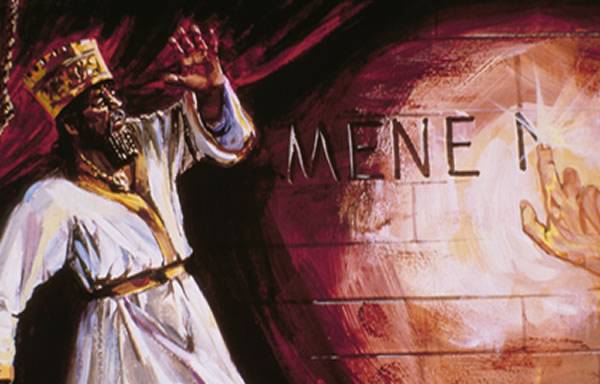
Daniel was taken away from his home at an early age into a land filled with everything foreign and opposed to his faith. As a young Jewish boy, he devoted his life to serving God. Three times a day, Daniel would bow down on his knees praying and giving thanks before his God. As traumatic the captivity was for Daniel and his friends, it did not shake his faith in the divine plan of God in his life. His early days in Babylon were filled with the challenge of learning a new language, learning about pagan cultures and facing the temptations of a foreign land. Their faith was tested when the king required they eat of certain foods that were defiling to the Jews. Trusting in the Lord, Daniel and his friends overcame the trial with great faith. Other challenges to their trust in God would come but in each case, Daniel exemplified a deep devotion in the will of his God and the divine plan of the Lord. When a new king reigned over the land, the faith of Daniel was tested once again. Belshazzar the king made a great feast for a thousand of his lords and drank wine from the vessels of God taken from the temple in Jerusalem. They drank wine and praised the gods of silver and gold, bronze and iron, wood and stone with the vessels. Suddenly the fingers of a man’s hand appear and inscribe something on the plaster of the wall. The king was terrified with great fear. He demanded his wise men to explain the writing but none could. Fearful even more the king was greatly troubled and could not explain the writing. Hearing of the writing on the wall, the Queen came to Belshazzar and told him of Daniel who had done great things for Nebuchadnezzar. She said Daniel was a man in whom the Spirit of God dwelt and he possessed great wisdom regarding the Lord. Sending for Daniel, the king learned the riddle of the writing on the wall was the pronouncement of the end of his kingdom. That night, the king was killed and Darius the Mede received his kingdom.

There is no doubt the power of God worked through Daniel and his friends Hananiah, Mishael, and Azariah. When Nebuchadnezzar had his terrible dream it was by the hand of God Daniel was able to tell the dream and its meaning. Hananiah, Mishael, and Azariah were thrown into a fiery furnace for refusing to bow down to the golden image made by the king but God delivered them. Understanding the writing on the wall was given to Daniel by the will of the Father. Later, Daniel would be spared from the wrath of lions that would have devoured him if the angel of God had not intervened. There is clear divine intervention in the stories of Daniel and his friends but the lesson should not be lost on how their character is what made their stories powerful. What the Queen said of Daniel is a character that should be the nature of all those who call themselves children of God. The Spirit of God should define all those who call on the name of the Lord. The miraculous intervention of the Lord through Daniel served a purpose and while the days of miracles have ceased, the Spirit of God should always be present in the hearts of God’s people. More importantly, others should see this spirit living in the lives of the disciples of Christ. This can be found in the speech, attitudes, actions and general demeanor of the Christian that God lives in them. The world should see these attitudes and recognize them as a part of those who serve Christ.

The Queen also said of Daniel that he was a man of insight, understanding and wisdom. This did not all come by divine intervention. Daniel and his friends were students of the word of God. Their life was known for their learning of the one true God in a world filled with pagan gods and ungodly lifestyles. It was not the best world to live in if one wanted to believe in one God and live apart from the carnal desires of idolatry with its trappings of sexual immorality, heathenism, false worship and debauchery. Daniel was known as a man of light because the light of God was in him. He was recognized as a man of understanding as the word of God filled his language. The excellent wisdom the Queen spoke about was from the diligent effort of Daniel to follow the will of the Lord. How much more for those who declare Christ as King to be the light of the world, speak with words of understanding and wisdom gleaned from the pages of God’s word. Christians should be known as walking Bibles with the light of God living within them. Let the world look for men like Daniel in the ranks of God’s people to show the meaning of what is written on the wall of time. People of faith are known for their faith.

Posted in Uncategorized | Leave a comment

Four Pillars Of Apostasy

four pillars

Woe to her who is rebellious and polluted, to the oppressing city! She has not obeyed His voice, she has not received correction; she has not trusted in the Lord, she has not drawn near to her God. (Zephaniah 3:1-2)

Four Pillars Of Apostasy

The nation of Israel reached a point in its history there would be no turning back from the wrath of God against the depravity of immorality that consumed the people. Manasseh had led the children of God to destruction and the Lord pronounced an irreversible sentence upon the holy nation of God. Men like Zephaniah and Habakkuk pleaded with the people to return to the Lord but to no avail. They were rebellious and polluted with idolatry. Zephaniah describes four things that contributed to the sad condition of the nation of Israel. God had warned in the Law of Moses that if Israel refused to obey His voice, they would be destroyed. The voice of the Lord was clear and demonstrative with the voice of the prophets and the written law. There would be no reason the people could not understand the will of the Lord but they chose not to hear the voice of God. The carnal mind turned its heart away from listening to the voice of righteousness and truth. Like a rebellious and stubborn child, nobody could tell Israel anything. The kings thought they knew what was best for the nation and the people adhered to the will of those who did what they wanted. Through the prophets, the word of God was plainly delivered but the people did not want to hear. They made their minds up to serve idols and nothing the prophets said would change their minds. Israel did not obey the voice of God.

During the time of Israel’s plunge into apostasy, the Lord sent plagues, wars, famines and pestilence to bring the heart of the people back to Him. In the Law of Moses, God had promised if Israel disobeyed Him He would bring great calamity upon them. The purpose of these judgments was to bring the hearts of the people back to the one true God. Israel did not receive the correction sent by the hand of God. It refused all the admonitions of the Lord against Israel as if it was nothing. In time the judgments became so common the people could not recognize the wrath of God from everyday occurrences. The prophets warned of impending doom but their message fell on deaf ears. Judah would receive the heavier judgment because she saw what happened to her northern sister Israel when the Assyrians came and destroyed them. While the kingdom lasts for a short time, in time Israel rebelled against the discipline of God and fell into apostasy. Israel did not receive correction.

The reason for Israel’s apostasy and fall into idolatry is their mistrust of God. Faith assures the heart to trust in the word of the Lord and to live with the hope of God’s promises. As the people became law to themselves they began to trust the Lord less and less and began to rely upon their own wisdom and the military might of other nations. The fundamental character of apostasy is found when the heart of man believes he is greater than God. Trust in the Lord is the basis of faith and without that trust, there can be no faith. Israel fell out of love with the grace of God and decided the only way they could save themselves was by their own power. Although the Lord had delivered them from Egypt, saved them from untold armies, cared for them in the wilderness wanderings, conquered the land of Canaan for them and blessed the nation of Israel above all nations on the earth; the people of God did not trust Him. They fell in love with themselves and relied on their own power to save them and failed miserably. Israel did not trust in the Lord.

Finally, the people of God had turned their backs on the Lord. A man will either draw closer to the world or draw closer to God. He cannot do both. If one seeks the way of the world he moves further away from God but when one seeks the Lord he will draw further away from the world. Israel worshiped in vain because their heart was far from the will of God. They did not trust the Lord, they had not listened to the voice of God and they refused to learn from the discipline of God. If they had heeded the words of the prophets and learned to trust in the Lord, He would have drawn closer to Him as they drew near Him. The relationship of God to man has always required a man to draw near the Divine. Without this close bond of love, a man will lose all hope. Zephaniah warned the people that without a close personal relationship with the Father they could not and wold not find peace. Israel had not drawn near to her God.

The four pillars of apostasy are the same for every generation. It begins with refusing to follow the will of the Father without recognizing the hand of the Lord in their lives. When a man fails to trust in the Lord and becomes his own god, doom awaits. Without drawing near to God there can be no peace and no joy. The path to righteousness is found when a man hears the voice of God, accepts the hand of the Lord in their life, trusts emphatically the power of God and seeks every day to draw closer to God. This man will be blessed in all he does.

Posted in Uncategorized | Leave a comment

His Final Words

c91c8__2048

He who testifies to these things says, “Surely I am coming quickly.” Amen. Even so, come, Lord Jesus! (Revelation 22:20)

His Final Words

The Bible contains thousands of words that span eons of time from the oracles of Moses describing the beginning of the universe until the final revelation of God through the apostle John. Each part of the Bible is carefully crafted to unveil the eternal work of the Father to send His only begotten Son for the redemption of fallen man. Hope is threaded throughout the text to show that while man is often rebellious and contemptuous against his creator; the love of God continually shows mercy offering grace through obedience. In the beginning, Moses describes the creation of the world and tells the story of Israel and her birth as the apple of God’s eye. Writers moved by the Holy Spirit record the history of the people of God from the days of conquest under Joshua to the glory days of a united kingdom under Saul, David, and Solomon. The latter part of the Old Testament reveals the nature of sin and how Israel is destroyed as a harlot going after her lovers in the nations around her. A period of four hundred years settles upon the world before the revelation of the Son of God as the Christ takes on flesh. Four men describe in detail the life of Jesus before the church explodes upon the pages of holy writ in the book of Acts. The final section of the Bible contains letters and epistles from the early disciples showing the character of the saints of God. Every word of the Bible is essential to know the mind of God and His will. It is imperative to see the final words of Jesus as a key to understanding the whole message of the Bible.

Throughout the revelation of God’s word, the message of eternity fills every page. Man was created as an eternal creature bound in a fleshly tabernacle that is short-lived. The frivolity of human wisdom denied the nature of man yet the reality of life continually reminded him that life was short. In the Garden of Eden, the truth of judgment was immediately impressed on Adam and Eve in response to their disobedience. There will be a consequence of rejecting the word of God. The Bible is example after example of this same principle being impressed upon the heart of men that life is like a vapor that appears for a short time and disappears but after that a judgment of certainty. Even if a man lived to be the age of Adam (930 years) the summation of his life is found in the words, “and he died.” For those who lived in the days of Noah, judgment came in the force of a flood that destroyed every living creature that had the breath of life save the eight souls in the ark. Israel was a proud nation destroyed by the hand of the Lord because they did not believe in the coming judgment of God. Jesus taught His disciples to fear the dreadful day of the Lord and the early disciples of the church lived as if Jesus would return at any moment. The final word of Jesus in the book of Revelation is the nature of God’s revealed word: He was coming back and He was coming soon.

God gave man the Bible to help prepare him for the inevitable judgment of the Creator. Every man will stand before the Lord and every man will be judged by the words of His righteousness. Jesus says, “Yes, I am coming” and all humanity must understand and believe the words not only of the Revelation but the other books of God’s revealed word contained in the Bible. Jesus will come. The Savior will return and it will be sooner than anyone expects. It has become difficult for men to believe the final words of the Lord since these words were given two thousand years ago but they still ring true in the life of men. It is not a matter that God has not destroyed the world in two thousand years but that life is short and when a man dies, in a figure, the coming of the Lord has taken place. There will come a day when no man will die as the trumpet of God will sound and the world will come to an end. Death accomplishes the same thing. Too many souls have not prepared themselves for the return of Jesus and lived as if death will never happen. The final words of Jesus serve as notice that all men will die and those who remain until the coming of the Lord will face the same judgment. He will come and that is certain. His coming will be soon and that is certain. Being found alive at His coming will be a glorious moment for the saved that have lived each day with the knowledge that death could come quicker. Whether to live for the coming of the Lord or to live for the time of death is of no concern for those who believe in the promises of God. Jesus is coming. Lord come quickly.

Posted in Uncategorized | Leave a comment

Adding Or Taking Away From God’s Revelation

bible reading hand

For I testify to everyone who hears the words of the prophecy of this book: If anyone adds to these things, God will add to him the plagues that are written in this book; and if anyone takes away from the words of the book of this prophecy, God shall take away his part from the Book of Life, from the holy city, and from the things which are written in this book. (Revelation 22:18-19)

Adding Or Taking Away From God’s Revelation

One of the attributes of God impressed upon the pages of scripture is when He calls Himself Jealous. Giving the law to Israel began with the declaration that they should have no other gods before them because God’s name was Jealous and He was a jealous God. If there was one thing Israel understood in both language and action by the Lord God was the nature of His jealousy for their allegiance, faithfulness, and obedience to His word. The history of Israel is revealed whether they accepted His will or chose to follow their own will. When the people accepted the word of God and obeyed, blessings came abundantly. However, more often than not, the people murmured and rebelled against the will of the Lord and suffered greatly because of it. The jealousy of God was very simple to explain. There was no other way but the way of the Lord. It was not acceptable to serve the gods of the nations around them. If Jehovah was not the first place in their lives, it was not acceptable. The only power that brought them out of bondage was the power of God and He demanded they serve no other gods or make any graven images to honor gods of men. God’s name was Jealous and anything less than that was unacceptable. Understanding the jealous nature of God will also help the religious world understand how God feels about His divine revelation, the Bible. If God is a jealous God regarding His nature then He is also a jealous God regarding His book.

The apostle John was privileged to receive a revelation of things that would shortly come to pass. As the aged disciple pens the revelation of Jesus Christ he unfolds the majesty of the Divine and the power of God among all men. The book of the revelation is an incredible book of imagery and descriptive stories unveiling the oversight of the Lord God among the nations of men, the carnal desires of man and the ultimate divine will planned before time began. As the Holy Spirit draws to a close the revelation and John finishes his book, the Lord God places His seal upon the message of the revelation when He declares that nothing should be added to the message and nothing should be taken away. What John has written is the divine will, the eternal message and the spiritual hope of humanity that came from the mouth of God. For all those who hear the message of the revelation, they are bound by the jealous decree of the Lord that nothing can be added to its content. This remains true if a man will attempt to remove anything from the words of the prophecy of the book. Adding or taking away from God’s message will bring about severe consequences from the author of the book and His name is Jealous. This is not a novel idea attached just to John’s book. Moses declared in the Law that Israel must listen to the statutes and judgments of God and they could not add to the word which God commanded them, nor take away from it. The stories of Nadab and Abihu affirm this message as well as the tragic story of Uzzah. God’s word is holy because He is jealous.

God’s name has not changed. He is still a jealous God who demands that men do not add or take away from His message. Today the revelation contains that which is perfect or entire as found in the Bible. What John said in Revelation is the same message of what can be found between the books of Genesis and Revelation. Do not add to what God has said. It is not permitted for anyone to take away what is found in His book. And yet that is the common practice of man-made churches today who say they are following the will of the Lord. It is incredulous to examine the teachings of the religious world and ask a simple yet profound question: where is what you teach in the Bible? If what a person believes or says cannot be found on the pages of the Bible, it is not the word of God! There is no other way to say how jealous God is about His will than to demand that if a man believes something it must be in the Bible and the Bible alone. Consider the name of the church you belong – is it found in the Bible? Can you find in the Bible everything you teach, believe and practice? This is the first hurdle to cross before determining the will of the Lord. Why is it so hard for the religious world to see that God is a jealous God and if it is not in the Bible then it is not His will? Adding to the word of God will have eternal consequences of damnation. Taking away from the word of God will have the same result. There are many who deny what is plainly written in scripture. The religious world must stop listening to men and start reading the word of God. If a man declares he will no longer preach on sin then he stands condemned before a jealous God for taking away what is clearly taught in scripture. To suggest that sexuality is a choice and marriage is no longer defined by the will of God will bring the wrath of the jealous God who condemns sexuality immorality and established marriage between one man and one woman. Refusing to teach the grace of salvation as taught in the Bible denies the authority of scripture. The final day of God’s wrath will be given to all men who refuse to recognize how jealous God is about His word. Adding to his word and/or taking away from His word will bring about eternal consequences.

Posted in Uncategorized | Leave a comment

Sanctification By The Word

john 1717

Sanctify them by Your truth. Your word is truth. As You sent Me into the world, I also have sent them into the world. And for their sakes, I sanctify Myself, that they also may be sanctified by the truth. I do not pray for these alone, but also for those who will believe in Me through their word; that they all may be one, as You, Father, are in Me, and I in You; that they also may be one in Us, that the world may believe that You sent Me. And the glory which You gave Me I have given them, that they may be one just as We are one. (John 17:17-22)

Sanctification By The Word

God’s will for the believer is to be separate, set apart, consecrated, and holy to His purpose. The challenge of sanctification has been the battle between the spirit and the flesh with the carnal man very difficult to subdue. Obedience to the will of God is not an easy task. It takes more than just an idea or notion of holiness to keep oneself from the temptations of the flesh and eye and pride that exalts the heart. Submission to the Lordship of Christ is more than an inward expression of faith. The character of discipleship comes from a separation of the soul by the word of truth gleaned from the mind of God. Jesus was well aware of the challenges the eleven apostles were going to face in the days following His death. In his final prayer for them, He implores His Father to bless the eleven with the strength of the Divine to carry out the work of preaching the gospel to the world that would come from the word of God. Preaching requires the word and salvation come from obedience to the word. Separating life from the trappings of the world is accomplished by the infusion of the word into the marrow of the spiritual man who seeks a holy walk with the Father. Jesus is asking His Father to help mold the eleven by His truth, teaching them His word so that they would not be like the world. The eleven apostles were going into the world to change the hearts of men to the message of a risen Christ. Jesus was willing to die to show His disciples the example of sacrifice so they could be made holy by the word of God. It takes sacrifice to be separate from the world. Holiness comes from the truth of God’s word.

W. E. Vine says, “This sanctification must be learned from God as He teaches it by His word and it must be pursued by the believer, earnestly and undeviatingly. This is the holy character of the disciple.” Christianity is a powerful feeling of joy, redemption, peace, comfort and love in the Holy Spirit. In the early church, there are many passages that speak to the joy of salvation in Christ. Paul penned a letter while in a Roman prison to the church in Philippi that was filled with the message of rejoicing and joy. The Ethiopian treasurer went on his way rejoicing after Philip helped him understand the scriptures more fully because the truth is where joy comes from. When a man is overwhelmed with sin and the depravity of the carnal man, there is no joy and no hope. Hearing the word of God and the wonderful grace of a merciful Father brings rejoicing to the downtrodden soul because the word convicts the heart and changes the heart from despair to hope. Sanctification comes from the truth of God’s word. Christianity is not a caught religion but a taught religion. Joy comes from the knowledge of the truth. Learning to stand apart from the world is developed when the mind centers itself upon the mind of God. Jesus prayed not only for the eleven but for all those who would believe in Him through the teachings of the eleven. This would establish the continual thread of the divine word bringing joy to the hearts of disciples for the next two thousand years and beyond.

Sanctification comes from the word of God. Inherent in the growth of the disciple of Christ is the need to read and understand the divine truth. Paul explains that faith comes from hearing and this pattern of hearing comes from the word of God. Obedience to the gospel begins with the word of truth. The Jews of Israel were sanctified by circumcision at the age of eight days but the children of God in Christ will know the truth before they are in covenant with God. Obedience to the word of God will separate a man through the waters of baptism but that separation must continue in the word of God. To be set apart in Christ requires a continual knowledge of the truth. Belief comes from the word of truth. To be one with God the soul must be one with the word of God. The sanctification spoken of by Jesus is the need of the child of God to continue to grow in the grace and knowledge of the word. God brings the Bible to men to show them His truth so that all men can know what they must do to be saved. Every child of God grows farther apart from the world and closer to God the more time he spends in the truth of God. Increasing the knowledge of truth widens the gap between the allurements of the world and the righteousness of the word of God. Where do joy and fulfillment come? The word of God.

Posted in Uncategorized | Leave a comment