The Mistaken Power Of Men

BVCA-46

Therefore, when Pilate heard that saying, he was the more afraid, and went again into the Praetorium, and said to Jesus, “Where are You from?” But Jesus gave him no answer. Then Pilate said to Him, “Are You not speaking to me? Do You not know that I have power to crucify You, and power to release You?” Jesus answered, “You could have no power at all against Me unless it had been given you from above. Therefore the one who delivered Me to you has the greater sin.” (John 19:8-11)

The Mistaken Power Of Men

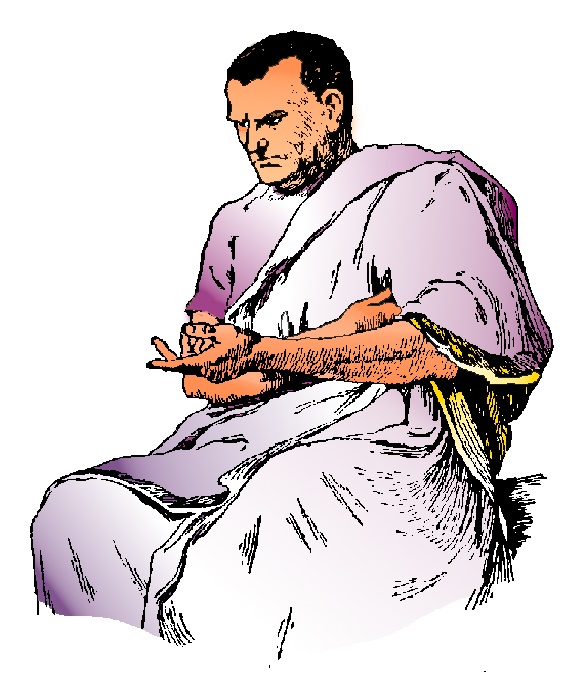
Political rulers possess the misgiving notion they are all-powerful holding sway over the masses because of their position of authority. Kings rule from thrones of dominion over vast parcels of land with authoritative dominance declaring their wills upon the subjects of their tyranny. Political leaders strain their positions of the grandeur of self-worth seeking to secure their names on the pages of history with memorials, great feats and historical significance. The struggle of men to attain self-importance in the political world drives the fury of many who desire the mantel of power to rule over the land with might, authority and cruelty. Pontius Pilate was no exception to the many rulers of the Roman Empire who reveled in his political power to exercise control over the people. Pilate was the sixth Roman procurator of Judea and he slaughtered many of the Jews. He constantly was in trouble with the people of Judea with his brazen acts of suppression, insult and murder. His greatest challenge would come when the Jewish leaders brought him a man from Nazareth accused of sedition. At first, Pilate told the Jews to take Jesus away and judge Him according to their law. They insisted on the judgment of the Romans to put their fellow countryman to death. Pilate questions Jesus and finds no satisfactory answers. Believing that Jesus was innocent, Pilate took Jesus and scourged Him and sought to release his victim to the crowd. Hearing the accusation of the Jews that Jesus had made Himself the Son of God, Pilate became afraid and asked Jesus where He was from. Jesus refused to answer. Angered and frustrated, Pilate demanded Jesus to answer him. The Lord remained silent. Pilate declared that he alone had the authority to crucify Jesus or to release him and demanded Jesus to answer him. The Son of God weakened from the scourging, peered into the face of Pilate and uttered the words of eternal truth when He told the Roman ruler that he had no power but what was granted to Him by God.

Pilate had ruled over Judea with the might of his own power but he was unable to move the spirit of this one man who stood before him. Jesus was not defiant as a rebellious man but in His own way, spoke with such authority it terrified Pilate. From then on Pilate sought to release Jesus but the political sway of the crowd would lead Pilate to have Jesus crucified on a Roman cross. Jesus died in nobility as a man without sin and bringing peace to the world. Years later, Pilate would commit suicide and bring no joy to the world in his death and little remembrance. The powerful procurator of Judea ruled for a time but then he died in disgrace. All of the power he possessed went to another and after many more generations, the Roman Empire disappeared from the face of the earth. The kingdom of Pilate imploded in self-destruction forgotten in the years of history but the legacy of Jesus Christ endures unabated for two thousand years.

The irony of the picture of Jesus standing before Pilate with the Roman telling the Son of God that he had the power to crucify or to release Him will be duplicated in the Day of Judgment when the Roman ruler stands before the Judge of all men and hears the words, “Depart from me, you cursed.” It is then Pilate realizes the accusation of the Jews that Jesus was the Son of God were, in fact, true and now whatever power he possessed as a Roman will not save him from the wrath of the Father of the man he condemned to die. His power was an insignificant component in comparison to the wheel of eternal justice. Jesus had to die and the cowardice of Pilate fulfilled the will of God. The only reason Jesus was scourged and crucified is that it was the plan of God. Pilate had no power and no authority except what was given to him by God. This remains true in all nations that rule today. Kingdoms rise and fall at the will of God. Presidents are elected and removed in accordance with the wisdom of the Father. All kingdoms rule to the discretion of the will of the Creator. Pilate believed he had all power but what a sad irony to see that like all men, he stood before the great I AM and thought he was in charge. In the end, the Roman procurator of Judea was nothing more than a man in need of salvation like all other men.

Posted in Uncategorized | Leave a comment

Remember The Least Brethren

Group of handicapped beggars, mat06348

And the King will answer and say to them, “Assuredly, I say to you, inasmuch as you did it to one of the least of these My brethren, you did it to Me.” (Matthew 25:40)

Remember The Least Brethren

All that is known about the event of final judgment comes from the teaching of Jesus. He describes the gathering of humanity before the throne of God as one separates sheep from goats. What is unique about the description of the day of reckoning in Matthew’s account is the basis for judgment. It does not suggest there are no other reasons that will accuse or excuse a soul on this day but the focus is on the relationship of man to man and as a result, a relationship between man and God. Often when the discussion of the judgment day is approached, the questions of grace, commandment-keeping, obedience, love and mercy are at the forefront. Jesus does not dismiss these elements of the final day but His teaching days before His own death focus on the relationship of men to one another. In turn, the benevolent spirit of man or lack thereof will be the basis of salvation. One group hears the words of eternal life when Jesus says, “Come, you blessed of My Father.” To another group, Jesus will say, “Depart from Me, you cursed.” What becomes the underlying factor in whether a man is lost or saved in this story? To the first group (the sheep) the Lord commends them for showing a hand of benevolence to those who were in need as if doing so to Jesus. The response of the righteous is confusion because they did not remember showing kindness to Jesus. What the righteous did not appreciate is that when they fed a hungry man they were feeding Christ. Giving a man a glass of water was more than quenching the thirst of a man; it was showing the Lord love. In each case of benevolence, the act was personified as an expression of love for Christ. The contrast is given to those in the second group (the goats) who failed to have compassion for their fellow man. By their neglect of others, the lost was condemned for not showing love for Jesus. The confusion of the cursed is when did they neglect to feed, clothe or give Jesus a drink? What they failed to understand in life that benevolence was an act toward God more than an act of kindness to men. By refusing to help their fellow man they denied the will of God and thereby condemned themselves. These would go away into everlasting punishment but the righteous into eternal life.

There is a deeper level to the message of Jesus when He commends the righteous for caring for the needy and also condemns the cursed for their negligence. Those who were helped or denied help included those who were considered the least among men. It would be easy to be kind to those who deserved it but to stoop to helping even the least among the brethren is a difficult challenge. Albert Barnes describes these people as the obscure, the least known, the poorest, the most despised and afflicted. Jesus is emphatic about kindness being shown for all men including those who are the least to be considered important. It is a sad commentary in the nature of men to look upon many of his brethren as non-important or non-essential. There are economic divides, social divisions and prejudices that separate men from caring for others. In the parable of the Samaritan, Jesus highlights the calamity of hatred for a fellow human being when the priest and the Levite abandon an unknown man to death. Of all people that should be viewed as benevolent and kind, those who served in the Temple of God should be examples of benevolence. It would take the story of a man considered by the Jews as a mongrel dog to teach the lesson of love to a world filled with hatred for the least among them. Only the Samaritan was willing to help the unknown man and save his life. The King will answer to the saved that eternal life is granted because when they showed love to the least of the brethren they expressed love for the Father.

The apostle Paul will illuminate this teaching when he reminds the brethren at Corinth that as the church of Christ is likened to a body, so the relationships of brethren to one another come from love to those that include the weak member. It is easy to focus on the important parts of the church and those who are spiritual giants but what about those who constantly struggle with their faith? Among the body of believers, there will always be those individuals who can’t seem to get their lives in order. They struggle in a mighty way to grow in the grace and knowledge of Christ and yet they are a necessary part of the church. The lesson of Jesus bridges to the relationship of brethren with one another. One of the most important parts of life is the view that is held toward the “least of these My brethren.” Fundamentally, this must be viewed from the perspective of the cross. Jesus died for all men including the least among men. His blood does not cleanse the sins of the religious elite who have greater strength and faith than the poor soul who is least among brethren or the weak members in the body of Christ. The final Day of Judgment will be a defining moment for many who will be judged on many levels. Jesus emphasized in His sermon of the sheep and the goats that judgment would be based on the least among the brethren and the care is given to them by others. Inasmuch as we serve others – even the least among us – we do it to Jesus Christ.

Posted in Uncategorized | 2 Comments

God Made Her Laugh

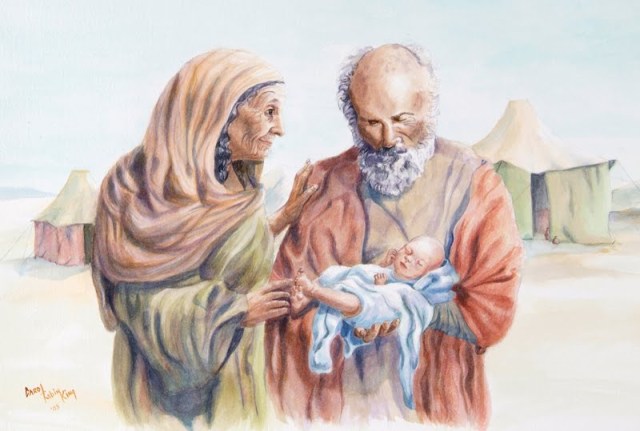
abraham-baby-hope-small

And the Lord visited Sarah as He had said, and the Lord did for Sarah as He had spoken. For Sarah conceived and bore Abraham a son in his old age, at the set time of which God had spoken to him. And Abraham called the name of his son who was born to him—whom Sarah bore to him—Isaac. Then Abraham circumcised his son Isaac when he was eight days old, as God had commanded him. Now Abraham was one hundred years old when his son Isaac was born to him. And Sarah said, “God has made me laugh, and all who hear will laugh with me.” She also said, “Who would have said to Abraham that Sarah would nurse children? For I have borne him a son in his old age.” (Genesis 21:1-7)

God Made Her Laugh

There are many reactions to the way God works among men. Adam and Eve hid when they heard the sound of the Lord walking in the garden. Abram fell on his face when God talked with him. David was smitten with grief when Nathan revealed the adultery with Bathsheba. Isaiah implored the Lord to send him to preach. Jonah tried to run away from God. Mary marveled at the message of Gabriel that a child could be born of a virgin. Sarah had a son at the age of ninety-nine and laughed. And that was something to laugh about. Her laughter was from the complete joy of nursing a son and age did not matter in the mind of God. When the world was first populated with families, men and women lived for hundreds and hundreds of years bearing children. Abraham would live to be 175 years old; in the words of the Holy Spirit a ripe old age. It was not common for children to born at that age. In the process of time, the womb would become barren and Abraham would consider his body dead concerning procreation. Yet, through the power of God, a child of promise was born to a man 100 years old and his wife at the age of 90. This made her laugh to consider the incredible working of the Lord in her life. It must be admitted that even in the day of Abraham and Sarah seeing a 90-year-old woman pregnant with a child was an astonishing thing. From the story of their lives, Sarah was a very beautiful woman even in her older age. Having a child at any age was impossible for Sarah until the Lord blessed her in the time of life when her womb was dead to bear Isaac. When Mary asked Gabriel how she was to have a child when she had not known a man, the angel declared that with men this is impossible but with God nothing is impossible. Mary must have laughed to herself when she first realized her womb was growing and how that came about. Her faith was incredible to be a virgin betrothed to Joseph and yet with a child. What joy she felt when the child Jesus would move inside her womb and she could feel Him kicking. As she laid Jesus in the manger wrapped in swaddling clothes her eyes must have filled with tears to see the glory of God not only in the face of Jesus but also in the gift of life through her womb though she was a virgin. Sarah and Mary experienced the power of God in their lives in a manner few women have known in the history of mankind (including Elizabeth, mother of John the Baptist).

Sarah laughed within herself not in a frivolous manner but in the astonishing way that God worked in her life to give her a son. No promise of a son had been given to her for 65 years. She lived with her husband Abram and they would have longed for children but her womb was barren. When the Lord came to Abram and promised him a son, Sarai could not see how that would be possible at her age. Eleven years later she would offer her handmaiden, Hagar, as a surrogate to bring the promise about. This was not the will of God as the promise of God to Abraham meant that Sarah would bear a son. It would be another 14 years before Sarah looked into the face of Isaac and knew the power of God’s promise. She laughed. Sarah had to think of the amazing gift of the grace of God to allow a woman of her age to enjoy the wonders of pregnancy, experience the pain of childbirth and that unforgettable moment when she looked into the face of her newborn son. Her heart was full and her joy was overwhelmed with praise. Whenever she saw Isaac she would be reminded of the power of God as the Hebrew means, “laughter.” Isaac would be 37 when his beloved mother died. Sarah found her joy in the power of God because of what the Lord had done in her life.

Christians should be filled with laughter. Not the kind of frivolous chatter that accompanies the mundane or useless spirits. Sarah laughed because she could not believe in the incredible power of God to allow her to bear a child at the age beyond child-bearing. The Lord worked a mighty deed in her life and she lived the rest of her life being reminded of how incredibly powerful the grace of her God was in her life. Those who bear the name of Christ have been washed in the blood of the Son of God, redeemed, sanctified, purified and made holy by the grace of God. The birth that is experienced by the child of God is a birth that is impossible for man to perform. When Jesus explained to Nicodemus the new birth, He told the Pharisee that greater joy would come from those who are born of the water and the spirit. The significance of this birth would not come clear until Peter stood before devout Jews on Pentecost and implored them to experience the new birth in Jesus Christ. As the disciples spread the gospel throughout the world, the message of Jesus was heralded in every city and throughout the world that all those who believed and were baptized would be saved. When Philip preached in Samaria there was great joy in that city. They were laughing like Sarah. Salvation had come to their city and they experienced a birth made possible by the power and grace of God. Who would not want to spend the rest of their lives ‘laughing’ at the knowledge that God would wash away their sins and grant them eternal life? It may be the reason that children of God are not rejoicing today is they do not fully understand what God has done for them. Let me ask a question: If you were 90 years old and gave birth to a healthy little boy or you were 100 years of age and held your newborn son in your arms – would you not laugh out loud in a joyful way? Why then can we not rejoice that we are saved? Sarah laughed at what God had done for her and it would be healthy for you and me to spend some quality time laughing in a holy manner for the love of God and what He has promised. Laugh. It will do you good.

Posted in Uncategorized | Leave a comment

Nobody Asked Jesus Where He Was Born

Bethlehem, general view, mat06473

Therefore many from the crowd, when they heard this saying, said, “Truly this is the Prophet.” Others said, “This is the Christ.” But some said, “Will the Christ come out of Galilee? Has not the Scripture said that the Christ comes from the seed of David and from the town of Bethlehem, where David was?” So there was a division among the people because of Him. (John 7:40-43)

Nobody Asked Jesus Where He Was Born

Jesus had created quite a stir during His ministry. In the beginning, He enjoyed a level of popularity but as His work progressed and His teaching became clearer to the people, many turned and walked with Him no more. To compound things, His own brothers (James, Joses, Simon, and Judas) did not believe in Him. When Jesus went up to Jerusalem about the middle of Feast of Tabernacles, He entered the Temple and began to teach. The Jews marveled that a man from Nazareth and a man who did not have a background in education could speak so forcefully and eloquently about the scriptures. It created confusion in the minds of the people as they tried to understand who Jesus was. He was known as a great man because of His miracles. His teachings against the Jewish leadership were well documented. The authorities wanted to silence Jesus but had not arrested Him. On the last day of the feast, Jesus stood and cried out that all who would come to Him would never thirst and out of their hearts rivers would flow of living water. When the people heard Him say these things they pondered if He was the Prophet promised by Moses so long ago. There were those who believed the man from Nazareth was the Christ, the Messiah. But others could not accept a man from Galilee being the promised Christ because the scriptures never mentioned the Anointed One coming from Galilee. All the Jews knew that when the Christ comes He must come from the seed of David and from the town of Bethlehem, where David was. Jesus of Nazareth could not fit that mold as He was called a Nazarene. His family came from Nazareth, ninety miles north of Bethlehem. As a result, the people were divided because of Jesus.

The gospel writer Luke describes the birth of Jesus when the angel Gabriel was sent by God to a city of Galilee named Nazareth, to a virgin betrothed to a man named Joseph. Through the power of the Holy Spirit Mary bore a child that would be called Jesus. Prior to the birth, Caesar Augustus, emperor of Rome, decreed that all the world should be registered and that all citizens must return to their home town. Joseph and Mary were both from Bethlehem and began the arduous journey to their birthplace. Arriving in the small village southwest of Jerusalem, Jesus was born and laid in a manger. The family remained in Bethlehem for a couple of years before fleeing to Egypt before the soldiers of Herod came and killed the young child. After the death of Herod, Joseph and Mary moved back to Nazareth where Jesus remained with his brothers and sisters until the age of thirty. His ministry began with great authority as He preached the kingdom of repentance. The miracles of Jesus affirmed He was the Son of God. His manner of life was in keeping with the prophecies of the coming Christ. The one question that no one thought to ask the man from Nazareth was where He was born.

Would it have changed the ministry of Jesus if he began showing people His birth certificate proving He was born in Bethlehem? The will of the Father was being accomplished in the manner of His divine choosing and it would not have made a difference if they knew He was from Bethlehem. Every evidence needed to know that Jesus of Nazareth was the Christ was clearly revealed through His teachings and His power. While the Jewish leaders constantly attacked His teaching and sought on many occasions to trap Jesus in His teachings, they never once denied a miracle performed by the Lord. When Jesus raised Lazarus from the dead the leaders sought ways to kill Lazarus and Jesus. How could they deny such a powerful miracle? People see what they want to see and they ask questions that matter to them. It would have been a simple question to ask the man from Galilee where He was born but no one seemed to take that thought into consideration. Their hearts were not inquiring for truth. They could see what they wanted to see and were blinded by their own ignorance. Many people today could know the truth that will save their souls and give them a greater hope in life but they have no desire to ask the right question: where can I find peace? It was remarkable that while the people debated about the Galilean being the Christ that He actually was born in the city of David. What is sad for most people today is the Bible is the fully revealed word of God and they never take the time to listen to the mind of God. Like those Jews two thousand years ago, a little investigation would change their lives. Seek and you will find, knock and it will be opened for you. Ask and you will come to know the wonders of eternal life.

Posted in Uncategorized | Leave a comment

Living With Persuasion

Romans 8

For I am persuaded that neither death nor life, nor angels nor principalities nor powers, nor things present nor things to come, nor height nor depth, nor any other created thing, shall be able to separate us from the love of God which is in Christ Jesus our Lord. (Romans 8:38-39)

Living With Persuasion

The sun, moon and stars remain constant in the heavens as God ordained at the beginning of time. It is a marvel to behold their majestic nature as they cling to the infinite space above continuing to rule the day and rule the night. Beams of light bathe the earth from the surface of the sun for the millennia untold since creation. In the darkness of the night, the moon reflects the glory of the sun in a soft glow of moonshine surrounded by the innumerable flickers of life that make up the stars of the universe. Each day heralds the witness of the firm promise of God that all things will remain as they are as He ordained in the beginning. Following the flood, the Lord told Noah that while the earth remains, seed time and harvest, cold and heat, winter and summer, and day and night shall not cease. There is permanency in the promise of the Creator through the invisible attributes of God that are clearly seen. Nothing has changed and remains steadfast. This same promise is found in the love of God and His willingness to offer His only begotten Son for the redemption of mankind. When Jesus uttered His final words on the cross and declared His work finished, redemption rose from the grave three days later as the beacon of eternal hope that God’s word is certain to spread throughout the world. The gospel is not a message of doubt or possibilities but of certainty and truth that nothing can separate a man from the love of Christ and the love of God which is in Christ Jesus. Those who are called and justified are glorified in the communion of the blood of Christ to redeem them from their sins. Not even death nor life, nor angels nor principalities nor powers, nor things present nor things to come, nor height nor depth, nor any other created thing will change the promise of God.

Salvation viewed from the bunkers of doubt where men hide in fear of God will never give the heart of God’s children the spirit of hope and eternal life. Satan seeks to cause fear in the hearts of the saved to believe that God would never love them enough to save them and nothing they could do would bring acceptance into the glory of the Divine. Often, the devil is instrumental in allowing a man to believe in God as long as the man does not believe that God would save him. This creates enough doubt in the mind and heart the disciple becomes unproductive, repressed and desiring rather fill their time with the carnal pursuits of life. Paul declares the love of Christ and the love of God are inseparable to those who called according to His purpose. There is no condemnation to those who belong to Christ, who do not walk according to the flesh, but according to the Spirit. With no condemnation, there is no fear and with no fear, there is the security of the heart to know that nothing can separate them from the love of God. Having this knowledge invigorates the soul to believe in eternal life and look with anxious joy to a crown of glory with their name on it. Life becomes a journey of peace where the grace of God fills the heart to see glory in death and victory in the grave. Hopelessness is changed to a blessed assurance, fear to love and doubt to real hope.

Jesus died to save men from their sins and to bring to the darkness of Satan’s lie the light of His divine glory. This light that shines in the heart of the saved should never be made dim by the allowances of life or temptations of the flesh. Sin will have its way with the souls of the saved but through the blood of Christ redemption is given. Soldiers of Christ march with confidence the victory has been gained and Satan defeated. Those who run the race will believe in the crown of life that awaits them when they finish their race. Keeping the faith is the bastion of hope that remains undeterred in the heart of the saved.  Assurance is not lightly given. It is an eternal promise from the lips of God who cannot lie. Eternal life is not a chance proposition. It is not something that is a slim chance at best. Everything that God has promised has come true including the hope of heaven to His children who walk in the Spirit. The inheritance of glory is declared by Christ to those who share the inheritance of His Sonship. Israel received the Promised Land through the will of God. Those who perished in the wilderness did not believe and did not enjoy the land of promise because they lost hope. Eternal life is given to those who abide in the will of God and believe with all their hearts that God’s love is everlasting and His word is true. What can separate us from the love of God which is in Christ Jesus our Lord? Nothing.

Posted in Uncategorized | Leave a comment

The Church Walking With The World

The Church Walking With The World

(Matilda Edwards)

The Church and the World walked far apart

On the changing shores of time,

The World was singing a giddy song,

And the Church a hymn sublime.

“Come, give me your hand,” said the merry World

“And walk with me this way!”

But the good Church hid her snowy hands

And solemnly answered “Nay,

I will not give you my hand at all,

And I will not walk with you;

Your way is the way that leads to death;

Your words are all untrue.”

“Nay, walk with me but a little space,”

Said the World with a kindly air;

“The road I walk is a pleasant road,

And the sun shines always there;

Your path is thorny and rough and rude

But mine is broad and plain;

My way is paved with flowers and dew

And yours with tears and pain;

The sky to me is always blue,

No want, no toil I know;

The sky above you is always dark,

Your lot is a lot of woe;

There’s room enough for you and me

To travel side by side.”

Half shyly the Church approached the World

And gave him her hand of snow;

And the old World grasped it and walked along,

Saying, in accents low,

“Your dress is too simple to please my taste;

I will give you pearls to wear,

Rich velvet’s and silks for your graceful form,

And diamonds to deck your hair.”

The Church looked down at her plain white robes,

And then at the dazzling World,

And blushed as she saw his handsome lip

With a smile contemptuous curled.

“I will change my dress for a costlier one,”

Said the Church, with a smile of grace;

Then her pure white garments drifted away,

And the World gave, in their place,

Beautiful satin’s and shining silks,

Roses and gems and costly pearls;

While over her forehead her bright hair fell

Crisped in a thousand curls.

“Your house is too plain,” said the proud old World,

“I’ll build you one like mine;

With walls of marble and towers of gold,

And furniture ever so fine.”

So he built her a costly and beautiful house;

Most splendid it was to behold;

Her sons and her beautiful daughters dwelt there

Gleaming in purple and gold;

Rich fairs and shows in the halls were held,

And the World and his children were there.

Laughter and music and feasts were heard

In the place that was meant for prayer.

There were cushioned seats for the rich and the happy,

To sit in their pomp and pride;

But the poor who were clad in shabby array,

Sat meekly down outside.

“You give too much to the poor,” said the World.

“Far more than you ought to do;

If they are in need of shelter and food,

Why need it trouble you?

Go, take your money and buy rich robes,

Buy horses and carriages fine;

Buy pearls and jewels and dainty food,

Buy the rarest and costliest wine;

My children, they dote on all these things,

And if you their love would win

You must do as they do, and walk in the ways

That they are walking in.”

So the poor were turned from her door in scorn,

And she heard not the orphan’s cry;

But she drew her beautiful robes aside,

As the widows went weeping by.

Then the sons of the World and the Sons of the Church

Walked closely hand and heart,

And only the Master, who knoweth all,

Could tell the two apart.

Then the Church sat down at her ease, and said,

“I am rich and my goods increase;

I have need of nothing, or aught to do,

But to laugh, and dance, and feast.”

The sly World heard, and he laughed in his sleeve,

And mockingly said, aside

“The Church is fallen, the beautiful Church;

And her shame is her boast and her pride.”

The angel drew near to the mercy seat,

And whispered in sighs her name;

Then the loud anthems of rapture were hushed

And heads were covered with shame;

And a voice was heard at last by the Church

From Him who sat on the throne,

“I know thy works, and how thou hast said,

`I am rich, and hast not known

That thou art naked, poor and blind,

And wretched before my face;’

Therefore from my presence cast I thee out,

And blot thy name from its place.”

Posted in Uncategorized | 2 Comments

The Binary Nature Of God

goodness severity God

Therefore consider the goodness and severity of God: on those who fell, severity; but toward you, goodness, if you continue in His goodness. Otherwise, you also will be cut off. (Romans 11:22)

The Binary Nature Of God

Aaron Rodgers, the star quarterback for the Green Bay Packers, recently opened up about his belief in religion and the nature of God. He complained he was forced to go to church when young and that religion can be a crutch to make people feel good about themselves. He further stated, “I don’t know how you can believe in a God who wants to condemn most of the planet to a fiery hell. What type of loving, sensitive, omnipresent, omnipotent being wants to condemn his beautiful creation to a fiery hell at the end of all this?” His view is a common perception of God and whether acknowledged or not is believed by most people who reject the idea of organized religion. The question is valid and necessitates an answer but there is a problem with how to answer the question posed by Rodgers. There is an ironic twist to the argument that God is a loving, sensitive, omnipresent, omnipotent being because everything a person can know about God’s character is found in the Bible. This cannot be known by natural revelation or the thumbprint of creation. God has revealed Himself through His hand in forming the world and the vast universe but this can only tell a man there is a higher being at work. To know the character of God watching a sunset will not help. Nothing in the nature of the world explains the personality of the Creator. There is no other book in the world that divulges the minute details of the person of God other than the Bible. The conclusion is that all that is known of God comes from one book and there can be no other source. With that being said, the Bible will either proclaim God to be a loving, kind, compassionate and forgiving God or that He is also a God of wrath.

Everything Aaron Rodgers knows about God comes from the Bible. When a man attacks the nature of God declaring he cannot accept the idea that a loving God would “condemn his beautiful creation to a fiery hell,” what he is saying is that he takes the Bible for what he wants the Bible to say about his life rejecting those parts of the Bible that challenge his own lifestyle. It is a process of character assassination to destroy the credibility of God and thereby allow a man to live as he pleases without fear of contradiction or consequence. Believing that God would not condemn a person to a fiery hell does not change the nature of God no more than believing the world is flat will make the world flat. The Bible is very clear regarding the nature of God’s love, His mercy, and endless grace and the beauty of eternal life. God so loved the world He gave His only begotten Son that whoever believes in Him would not perish but have eternal life. How much more love can a man know from God than that? What is missed in this grand message of love is the idea that some people will “perish.” Jesus says more about hell and eternal torment than anyone else in the Bible. If a man decries the wrath of God as impossible to accept because God said He will send His beautiful creation to a fiery hell then one must also reject Jesus Christ and everything He taught. A man cannot have it both ways. Either God is full of goodness and severity and everything Jesus taught is true or God is a cosmic bully and Jesus Christ is a liar.

Scoffers have laid the groundwork for attacking the word of God since the day Satan whispered in the ear of Eve, “Has God indeed said.” Creating a totem of human wisdom to look like the God of the Bible is nothing more than a paper dragon that has no substance. Rejecting the wrath of God for a more appealing character of love is only an excuse to live outside the bounds of eternal law. When a man says he rejects organized religion he merely wants to create his own. Condemning God as a wrathful God does not change the nature of God. To those who obey Him, the Lord God is a wonderful, compassionate and forgiving Father. Like those who love their children and are willing to chasten them, God is also a God of wrath who will punish those who disobey Him. It becomes abundantly clear from the first pages of the Bible that God is full of goodness and wrath. He loved Adam and Eve but He punished them. The world in the day of Noah was destroyed by the wrath of the Creator but His love spared eight souls. Jesus died on the cross by the hand of those who did not believe God would condemn His beautiful creation to a fiery hell and the incredible power of God raised His Son from the dead to bring hope to a hopeless world. Sadly, most people will reject the teachings of God’s grace; and Jesus is the one who said those words. It was the Son of God who declared on the mountain that few people will be saved. God is binary: He is a God of wrath and He is a God of love. The Bible does not declare God to be only a wrathful God and it does not declare God to be only a loving God. Thank God He is both.

Posted in Uncategorized | Leave a comment

Listening To Correction

constructive criticism23

The ear that hears the rebukes of life will abide among the wise. He who disdains instruction despises his own soul, but he who heeds rebuke gets understanding. The fear of the Lord is the instruction of wisdom, and before honor is humility. (Proverbs 15:31-33)

Listening To Correction

Pride can be a difficult malady to push aside when correction is needed. There is a tendency to believe that self-worth is measured by the belief that views held on a personal level are always the right answers. In other words, the opinion of the individual rises above the mistaken ideas of others who think they know the right answer. It is easy to convince the heart that personal knowledge of a situation is the only right avenue to travel and that no one can convince a man to change. Receiving correction is very difficult and sometimes impossible. Constructive criticism may sound like a noble cause but only to the person giving the correction and oftentimes ill-received by those needing improvement. To be told the character of a person is wrong can bring hard feelings. Pride has a way of exalting self to the height of arrogance rejecting any measures of correction given by others. This is a common problem among the human race and has brought many sorrows to hearth and home. The wisdom literature of God’s word is filled with the admonitions to accept the role of correction from others as a tool to strengthen character. Listening to constructive criticism is a wise thing to do and should be received in the spirit given. Wisdom is found in the heart of the person who knows they do not have all the answers in life and because of the frail nature of the human heart that is mistaken often, accepts the role of those who would seek to admonish, encourage and exhort to greater heights. Listening is hard to do when the mouth wants to jump in with self-importance. Rejecting the guidance of others only brings harm to the person. Taking the time to consider the wisdom of others will help the soul grow in understanding.

The value of criticism is an important part of personal relationships but the fear of the Lord brings a greater understanding of the issues of life. Many reject the idea of an eternal God because they do not want to be corrected or told there is such a thing as right and wrong. Pride has exalted the spirit of humanity to refuse to acknowledge God or to retain Him in their lives. This comes from the feeling of superiority and self-worth of a man that believes he is his own god. He creates his own totems of wisdom declaring himself as his only god ruled by his own law. History is filled with the wastelands of the failure of human wisdom serving self as their gods. This rejection of God is the refusal of the man to listen to constructive criticism of his Maker and Creator who demands righteousness, truth, and purity of life. Rejecting the counsel of the Divine, humanity builds straw houses of pride that will fall every time. Discarding divine discipline only harms the man who seeks to raise himself above the Lord God. The problem rests in the refusal to accept correction by another with greater consequences when the one rejected is the Lord God. Man is stubborn that way. It is hard for him to accept correction from his fellow man and it becomes much more difficult when he must obey the voice of an eternal being. Pride fills the heart to reject any correction and disaster awaits.

Wisdom comes from a willingness to listen to others. Listening is one of the most important parts of a man that will bring him greater happiness, completeness, and guidance in the uneven paths of life. There has only been one man who walked on the earth that had all the answers and He was the Son of God. Jesus subjected Himself to the will of the Father completely. What made the life of Jesus so remarkable is the perfect obedience to the word of God because He was willing to accept the will of His Father at every level with complete and confident trust. The frailties of men are found in the ashes of self-determination when they refuse to perfect their wills to the obedience of God’s word. Wisdom comes from the mind of God and He has given man a book containing His will that will bring happiness to those who follow it. The Bible is the only revelation of truth. If a man refuses to be admonished by the word of God he becomes a fool. Humility precedes a heart that is self-determined changing the spirit of man to accept correction and abide by the word of the Lord. Greater joy will come to those who receive correction in the spirit that it is given whether by godly men or the Lord God Himself. The fear of the Lord is the beginning of wisdom.

Posted in Uncategorized | Leave a comment

All Or Nothing

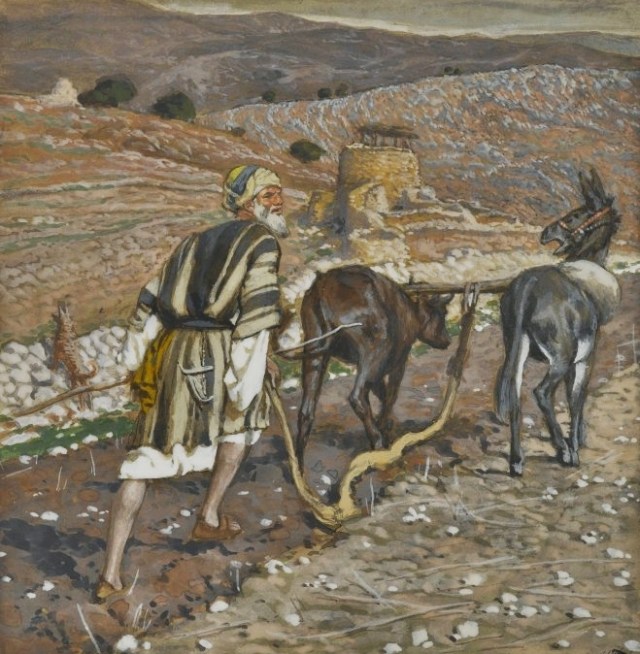
hand to the plow

And another also said, “Lord, I will follow You, but let me first go and bid them farewell who are at my house.” But Jesus said to him, “No one, having put his hand to the plow, and looking back, is fit for the kingdom of God.” (Luke 9:61-62)

All Or Nothing

Excuses are feeble attempts to deflect the need to act and many who wanted to follow Jesus were unwilling to dedicate their lives to His message. When the people heard Jesus preach, they recognized He taught them as one having authority. There were no hidden agendas in the teaching of the Christ, no misunderstood meanings to His message and if there is one thing everyone agreed upon is that Jesus did not concern Himself with the opinions of men. He faced the Jewish leadership with great boldness of speech never backing away from telling the whole truth. His message was clear, concise, with power and left no doubt the cost of being His disciples. He was a man that appealed to the spirit of men who wanted to change their lives but often the cost was higher than the people were willing to pay. Jesus was rejected by many because His requirements were too hard. Some came to Jesus seeking to be His disciples and told the Lord of their desire to be with him but on their terms only. Coming to Christ required all of a man’s heart, soul, mind and body or nothing at all. It happened as Jesus and His disciples traveled along, a man came to the Lord confirming his willingness to follow the Lord. He did not realize the cost of being a disciple of the one who had no place to lay His head. Life with the Lord would be a difficult walk and would involve persecution and likened to cross-bearing. One individual was anxious to follow Jesus but need to attend to his family affairs first. Time was of the essence in the work of the kingdom and if a man could not change his life to suit the needs of the kingdom he could not be a disciple. The last man that came to Jesus wanted to follow Him but first, he wanted to go to his family and tell them goodbye and prepare himself to be a disciple. The answer of Jesus was not an insensitive reaction but a deeper examination of the man’s heart. Walking with the Lord required a man to focus his life on the journey ahead without the trappings of the family. If a person was to take upon his shoulders the responsibility of walking with Jesus, the family would have to be placed in second place. Many a man desired to serve the Lord but the call of the familial roots called him back and he walked with Jesus no more. He failed because he was unwilling to put his hand to plan and not look back.

It seems harsh on the part of Jesus to demand so much. Preaching and teaching the kingdom of God required a heart willing to give the time and energy to the task ahead. There is a harsh side of being a disciple of Christ and no one should enter into the discipleship of Christ without self-examination. Jesus would later parallel being a disciple as bearing a cross. When a man is crucified he has nothing else that takes his mind than the burden he bears. He serves at the mercy of others and it is a challenging experience to endure. Serving God has always been all or nothing. From the beginning, God has required (not suggested) the first place. Anything less than first place is the last place. Jesus reminded those who came to Him of the age-old adage of His Father that if you are not willing to give your all, you cannot be His disciple. Putting the hand to the plow requires diligence, focus, determination, careful planning and a keen eye on one goal. When a man plows and allows his mind to wander and takes his eye off the goal, the garden is destroyed. The kind of plow Jesus was speaking about was easily overturned if care was not taken to remain focused. Being a disciple of Jesus requires the same fervent dedication to a single cause as a man with a plow. Nothing comes before the work of the Lord. When the hand rests on the handle of the plow, there is only one object in mind. When a man looks back longing for his home or his family, he is not fit for the kingdom of God.

There are some who are not well-placed to be a disciple because they are not committed. If the man went to give regrets to his family he may never return. If he came to follow Jesus and his mind was always on the family he left, he would be unproductive for the Lord. The challenge Jesus made to the man is to ask if he was willing at that moment to follow Him without going home. Luke does not tell us what the man decided. The Holy Spirit gives the story as an example of what it means to be a child of God. There can be no half-hearted attempt in following Jesus with one heart firmly entrenched in the home and one seeking to please God. This does not suggest we are to deny our responsibilities in the home but what Jesus does require is the family to be focused on the Father and the Father alone. Everything the family does is measured by the will of God. Husbands and wives mold their relationships together with a single purpose: please God. As parents, the children are taught one thing in life: please God. The family fortifies this with the teaching that it must be all or nothing. The husband who puts his hand to the plow of spiritual leadership and looks back will fail as a spiritual leader. When mothers fill their lives and the lives of their children with being involved in all the activities of the world and on the other hand trying to show their children God, they will fail to impress upon them that God must be first in all things. Children must be taught to put their hands to the plow and not look back. The best for this to be done is for the parents to firmly grasp the handles of the plow and not look back. Being a Christian is an “all or nothing” proposition. Are you in or out?

Posted in Uncategorized | Leave a comment

God’s Grace, Love And Wrath

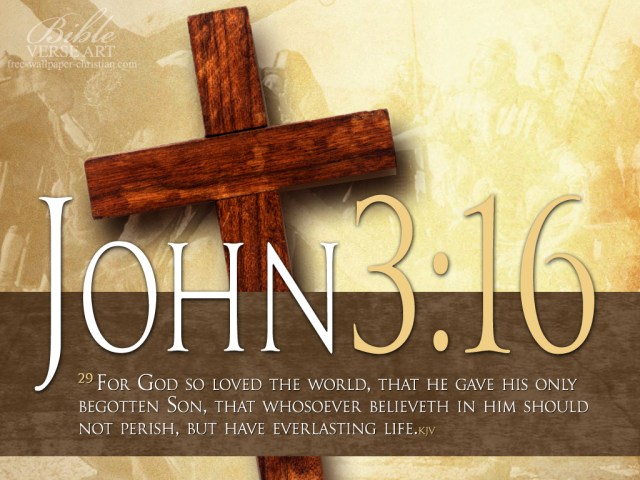
John-3-16

For God so loved the world that He gave His only begotten Son, that whoever believes in Him should not perish but have everlasting life. (John 3:16)

God’s Grace, Love, And Wrath

One of the most familiar Biblical passages is found in the gospel of John when Jesus is talking with Nicodemus, a ruler of the Jews. This man came to Jesus by night and recognized the Lord as being a man sent from God. The Lord begins to open up the eyes of Nicodemus to the character of those who would be saved. Jesus describes that a man could not see the kingdom of God without the new birth. Nicodemus did not understand the spiritual implications of this birth and the Lord explains the nature of the new birth was by the spirit and the water. Using the story of Moses when the Hebrews rebelled against God fiery serpents were sent among the people, Jesus explained the Son of Man would be lifted up to save all men. Salvation came when Moses made the bronze serpent and those bitten looked upon the image and Christ would be raised up for all men to come to Him for salvation. Whoever believes in Jesus would not perish but have eternal life. The mercy of God is found in the willingness of the Father to save the world. There was nothing redeeming in humanity that deserved the grace of God. The world was a dark and corrupt place rebellious against the Lord God and deserved to face His wrath. God so loved the world that He was willing to give His Son to save men. Grace is the unmerited favor of the Father to bestow His love upon all men. One of the most important lessons for a man to learn is how the grace of God and His grace alone offer him a way of hope and salvation. Without that grace, there would be no sacrifice. Jesus would not have come to earth and suffered as He did without the eternal grace of God. The statement that God so loved the world is beyond the heart of man to understand because it is measured by the eternal grace of God. It is a gift of God. Salvation began in the mind of God not man. His grace ordained the plan of redemption to bring humanity back to the garden of paradise where God and man can live together. Jesus told Nicodemus the grace of God is where the salvation of man resides.

The love of God moves beyond His grace when God gave His only begotten Son. Love was not defined by a thought of grace but the action of love in giving Christ as the lamb of sacrifice to save all men from their sins. Grace alone could not save man. Love had to act on the grace of God. This action came in the form of Christ, who was God and was with God, who became flesh and dwelt among men. Through the sacrifice of the only begotten Son of God, men can find redemption from sin and look to an eternal reward in the presence of God. The love of God was demonstrated in the life and death of Jesus. Like the grace of God, men did not deserve the love of God. But God so loved the world that He gave His only begotten Son that whoever believes in Him would have everlasting life. There was no greater way for God to demonstrate His infinite love for the creation than the gift of His Son. As a lamb led to the slaughter, Jesus willingly took on the sins of all men. His blood stained the sacrifice as an eternal gift of God’s grace. Love was not in word alone but in the evidence of the act of the dying Son of God. The grace of God and the love of God gave the only begotten Son of God as the single sacrifice for the sins of all men. There is no greater grace or demonstration of love than Jesus Christ. Everlasting life is found in those who obey the will of the Lord and embrace the grace and love of God.

John 3:16 teaches the grace of God and expresses the love of God as eternal tones of mercy. However, another message is found in this wonderful text that is often overlooked and ignored. God’s grace is central to John 3:16 as well as the love of God. Many fail to recognize the other part of Jesus’ admonition to Nicodemus. The Lord used Moses as an example of how the Son of Man would be lifted up that whoever believes in Him should not perish but have eternal life. He reaffirms this again in verse 16 when He says that whoever believes in Him should not perish. The grace of God and the love of God are always explained in the context of the wrath of God. Jesus says those who do not believe will perish implying there is a severe penalty to deny the grace and love of God. Salvation is never by grace alone nor is salvation by love alone. Jesus told Nicodemus that unless one is born again, he cannot see the kingdom of God. There is a need to obey the will of the Lord. To accept the idea that God is love and that is all that is required of man denies the teaching of John 3. Obedience comes when a man is born of the water and the Spirit which the apostle Paul would later explain as baptism. This is an act of obedience through the grace of God given by His love to redeem all men through the blood of His only begotten Son. If a man refuses to obey the will of the Lord he will perish. The wrath of God will come upon all those who refuse to follow the commands of His grace and love. Grace is found in John 3:16 and love is found in John 3:16 but the wrath of God is found in John 3:16 also. The grace of God is immeasurable and His love without end. Jesus taught there is a judgment of His Father’s wrath and that not all men will be saved. In the sermon on the mountain, the Lord declared that most men would perish and few find eternal life. He reaffirms this with Nicodemus that God so loved the world He gave His only begotten Son that whoever believes in Him should not perish but have everlasting life. Grace. Love. Wrath.

Posted in Uncategorized | Leave a comment