
Living Before God Without Blame

1thessalonians522Abstain from every form of evil. Now may the God of peace Himself sanctify you completely; and may your whole spirit, soul, and body be preserved blameless at the coming of our Lord Jesus Christ. He who calls you is faithful, who also will do it. (1 Thessalonians 5:22-24)

Living Before God Without Blame

The challenge of living the Christian life is the Christian life is a challenge. Serving the Lord brings the wrath of Satan against those who would align themselves with the Son of God. The devil works hard to keep his followers within his camp but he works harder when they desert to the covenant of God. He lays traps, allures with temptations and convinces the followers of Christ to challenge the word of God. One allurement Satan uses is to allow the Christian to have a belief system in God but to taint his life with the trappings of peripheral sins. When Aaron produced the golden calf, he declared the calf was the God who delivered them from Egypt. He mixed the belief in God with the acceptance of calf worship. Allowing an appearance of evil will lead to evil.

Christians are different from the world. The character of a child of God sets them apart from the things of the world. This is called sanctification. Something that is sanctified is set apart and Christians remove themselves from the influences of the world. Paul’s admonition comes from the desire to have God set us apart completely. The prayer of a Christian is asking the Lord to put us apart from the world. Second, this sanctification involves the spirit, soul and body of the child of God. Everything in life is governed by setting apart the motives, actions and example to the glory of God. As a result, the child of God is found without blame when the Lord returns. Temptation attacks the spirit of the Christian daily. Living blameless will lessen the influence of evil and secure a greater blessing from the Lord.

A simple formula to be found blameless before the Lord is to remove any form of evil that would detract. What is interesting about Paul’s admonition is that he does not suggest to abstain from evil (which is vital) but to abstain from the appearance of evil. To be found blameless before God, the Christian should not live life so near the bounds of evil that would tempt them or cause others to believe the acceptance of such. The scripture is very clear. Christians can try to get as close to evil without being influenced but the Holy Spirit plainly admonishes the need to stay away from what may be the form of evil.

God’s sanctification cannot be complete if we put ourselves in harm’s way. Jesus taught the disciples to pray that God would not lead them into temptation and all the while, the Christian is enjoying the form of evil. An example of this is social drinking. Children of God will defend the right to drink beer and wine as long as they do not get drunk. If we are to abstain from the form of evil, how can God sanctify us when we try to keep one foot in the world? If we drink socially, are we presenting ourselves blameless before God? What if we have a few too many beers or glasses of wine and the buzz sets in and we become intoxicated? Whose fault is that? Abstaining from every form of evil means to stay away from everything that can bring harm to our bodies and our soul. If we are to be preserved blameless at the coming of our Lord Jesus Christ we cannot be found standing with a beer can or glass of wine in our hand. Holding fast to what is good is to remove any trace of temptation from our lives.

Living blameless lives removes everything that can tempt our spirits to evil. The idea that I can be as close to the edge of a precipice without harm is foolish. Staying away from every form of evil will lessen the impact of evil on my life and my example. Flirting with danger usually gets a date. Sanctified people are those who will have nothing in their lives that will tempt them more than the challenges of life that persist on a daily basis. Put away evil and remove the appearance of evil.

A holy person is one who is sanctified by the presence and action of God within him. (Thomas Merton, Life and Holiness, 1963)

Posted in Uncategorized | Leave a comment

Life And Wisdom

189771_685876d5ed1745079df524f258ac5c57_largeThe end of a thing is better than its beginning; the patient in spirit is better than the proud in spirit. Do not hasten in your spirit to be angry, for anger rests in the bosom of fools. Do not say, “Why were the former days better than these?” For you do not inquire wisely concerning this. Wisdom is good with an inheritance, and profitable to those who see the sun. (Ecclesiastes 7:8-11)
Life And Wisdom

It is hard to see the value of life until we see the purpose of life. Youth is a time of vitality spirited by the endless hope of a new day with little consideration of the frailty of life. Old age brings wisdom with the conviction that life is short and there are more important values to living than the useless pursuits of trivial matters. A contrast of the beginning and the end. Wisdom is not found in the beginning of a thing but the end. The patient spirit finds greater peace than the impetuous heart. Contentment springs from the life lessons taught in pursuing the meaning of life from an eternal view. The emotions God has placed in man should not be recklessly allowed to control our lives but through the word of God find the power to exercise restraint. Holding back anger saves one from being shown a fool but it also teaches the trait of self-control. Impulsive living causes a man to live in the past more than the present pretending the former days were better. Believing the ‘good old days’ were so much better lacks contentment for the blessings God has given for the day. It is foolish to live in the past for the days of yesterday can never return or change. Living in the present is finding wisdom in what can be accomplished now.

Contentment is hard because there is a desire to have more things, more time living for the moment without the consequence of tomorrow looming overhead. The frantic rush of life is a blur of trivial pursuits that bring little fulfillment and satisfaction. Wisdom directs the heart to look at the end of a matter and consider. Patience allows a settled view of the unfolding nature of why God has placed us here. The purpose of man is not to consume his life with earthly things. It has always been the will of the Lord to bring man to Himself in the joys of eternal life. The end of life is better than the beginning because of the reward that waits. A patient heart is content to allow the course of life to bring an understanding into view as God sees the matters of life.

Looking back to days gone by with greater fondness than the present is a fool’s folly. There are many great memories of childhood and early life that are coated with the veneer they are better days than now. It is true childhood was enjoyable because of the innocence and younger days had a freshness that made everything sparkle. To imply these were better days denies the wisdom gained through a life of hardship and troubles that have molded the character into a better person. It is unwise to spend the present in the past because the past will never change the present. Life is about the time we have now. The forgiveness of God removes the mistakes of the past as repentance changes the present to live more holy before the Lord. The days of yesterday were not always as good as we believe but we can make today to be a time of renewal and commitment. The sun shines today – not yesterday and not tomorrow. Every man has the opportunity to change the world. Wisdom comes from learning the meaning of life is what we accomplish today.

Life is like a grain of wheat: to plant it is to recognize its value; to keep it is to destroy its value. The “planted” Christian counts life dear not unto himself but unto God. (Vance Havner; 1901-1986)

Posted in Uncategorized | Leave a comment

Fidel Castro And Me

archive fidel castro 291107And as it is appointed for men to die once, but after this the judgment. (Hebrews 9:27)


Fidel Castro And Me

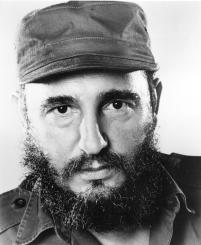
The leader of the Republic of Cuba died November 25 at the age of 90. Fidel Castro was a larger than life story for all those growing up in Florida during the late 50’s and early 60’s. His exploits on the island just 90 miles south of Florida brought a lot of fears and worries to the western hemisphere. Taking control of the nation in 1959, Castro led Cuba into a pro-communist state with fearful consequences. His tenure of rule was characterized by ruthless oppression over the nation, executing thousands who opposed him, and imprisoning tens of thousands. His policies created a repressive society ruled by secret police and death squads. He will be remembered in history as a tyrant who ruled his nation with an iron fist oppressing the people into submission. He will not be absolved of his legacy. What happened November 25 is what makes Fidel Castro exactly like every person on the face of the earth: he died.

The world is filled with despots who bring fear and death. In our time, people remember the days of Adolph Hitler, Hirohito, Joseph Stalin, Mao Zedong, Muammar Gaddafi, Saddam Hussein, and Osama bin Laden to name a few. These were leaders who brought terror to the world – for a time. Among a list of many others they share the same fate as all men with the reality that death waits for all. Fidel Castro falls in line with every man when on November 25 he crossed the river of death and became a believer in the Almighty Lord God. He is not standing on top of an armored tank spouting communist rhetoric or denouncing brutally those who believe in God. His life is now in the hands of the One who created him and he is bowing before something bigger than he dreamed could be. A man who was larger in life is now equalized in the darkness of death as one who is exactly like all those he oppressively ruled over.

It matters not what history says of Castro or whether he is remembered as a great leader or dictator. At this moment, the only thing on the mind of Fidel Alejandro Castro Ruz is God. And less we think there is a justice in this, let us remember we will all be standing before the judgment seat of God thinking about one thing. It is appointed for all men to die and we share the common place at the judgment seat of the Lord. Kings will stand next to peasants. Tyrants will share the same destruction as those they oppressed. Righteous and unrighteous people from all nations and every generation of Adam will assemble in the hall of judgment to receive the things done in the body. People die every day. Some die with notoriety, most die unnoticed in the annals of man. Death is the common denominator that reminds man we all come from Adam. What separates the few from the many is Jesus Christ. Do not rejoice in the death of another. His death will not matter in your death. What will be of utmost importance is your obedience to the will of God.

Men shun the thought of death as sad, but death will only be sad to those who have not thought of it. It must come sooner or later, and then he who has refused to seek the truth in life will be forced to face it in death. (Francois Fenelon, Spiritual Letters of, c. 1700)

Posted in Uncategorized | Leave a comment

God’s Plan For Making Disciples

1971912f5851fc56c0262b7f57c39d89

And Jesus came and spoke to them, saying, “All authority has been given to Me in heaven and on earth. Go therefore and make disciples of all the nations, baptizing them in the name of the Father and of the Son and of the Holy Spirit, teaching them to observe all things that I have commanded you; and lo, I am with you always, even to the end of the age.”(Matthew 28:18-20)

God’s Plan For Making Disciples

The central theme of man’s redemption came after the resurrection of Jesus from the grave and His charge to the eleven disciples. Beginning with the promise of a Seed in the Garden of Eden to the moment the Son of God stood with eleven men on a mountain in Galilee, the need for the salvation of all men was paramount. The Gentiles showed they could not be a law to themselves and the Jews proved man could not keep the written law. Salvation would only come through the grace of God’s Son and the blood of the innocent Savior. Fifty days after the death of Jesus, the world awakened to the glorious message of the gospel that Jesus was the resurrected King. A new day dawned in the hearts of men to see the mercy of a long held promise through Abraham to redeem man. The gospel age of the disciple of Christ had begun.

God’s plan for saving man is established on the authority of Jesus Christ. There is no other name under heaven that will save man. All the power of rule comes from what the Father gave the Son. Heaven and earth are under His mighty rule as King of Kings and Lord of Lords. Whatever Jesus declares is the word of God. As He stood on the mountain with the eleven, Jesus affirmed the plan of God for saving man. It begins with disciples seeking lost souls. There is nothing more imperative in the commission than the necessity of going forth with the gospel. Salt is the savor of the gospel of Christ but it will have no value if it remains in the hearts of God’s people. Going forth is the first step in saving man. The Lord needs those men and women who are willing to take up the mantle of truth and go somewhere with it. Making disciples requires going forth.

Making disciples is finding all men regardless of the color of their skin, economic circumstance, moral character and religious affiliation. There is no person in the world that does not need the good news of Jesus Christ. Phillip the evangelist taught a man from Ethiopia. Peter preached to Egyptians and Arabs. Paul shared the gospel with Greeks, Romans, runaway slaves, Kings and governors, and women by a riverside. Jesus set forth the pattern of teaching when He made disciples from the demon possessed, morally bankrupt, despised people of His time. The command of God is to teach all nations. Refusing to teach a man or woman because of their nationality is a sin. Adam and Eve are the grandparents of every human being made in the image of the Almighty God.

The plan of salvation is highlighted by the joy of baptism. Jesus commanded the eleven to make disciples, baptizing them in the name of the Father and of the Son and of the Holy Spirit. Religious groups deny the necessity of baptism as having any part of salvation rejecting the plain teaching of God. Satan has weaved his lies into the hearts of the religious world convincing them ‘almost to become a Christian’ but stopping short of the will of God. He knows that if he can convince people that salvation comes by faith alone or grace alone, he will have them in his grasp. Ironically, it is okay to believe in God, have faith in Him and confess His name as long as salvation is accepted before baptism. Jesus taught disciples come from baptism. Making a disciple of all the nations requires following the complete pattern of the will of God leaving nothing out. Without baptism there is no forgiveness of sins.

God’s final plan for saving man is the teaching that follows baptism. Too often babes in Christ are never allowed to grow to maturity. One of the most important parts of discipleship is found in the teaching that follows conversion. Jesus desired for the teaching to continue so the new disciple is grounded in observing all the commands of the Lord. Discipleship is a life of servitude. Becoming a Christian is the greatest joy but living the life of the disciple is the daily delight of learning more and more about the Father, Son and Holy Spirit. Spending time each day meditating on the word of God, growing in the knowledge of Christ, communing with the Holy Spirit; what praise and what glory. The comfort of knowing the Lord is always with the disciple fills the heart with security, love and contentment. He will never leave the disciple. God’s plan for making a disciple is complete. Heaven awaits.

For the greatest and most regal work of God is the salvation of humanity. (Clement of Alexandria, Paedagogus, c.220)

Posted in Uncategorized | Leave a comment

Why Do We Sin Against A Forgiving Father?

darkness-light-605x391

If we confess our sins, He is faithful and just to forgive us our sins and to cleanse us from all unrighteousness. (1 John 1:9)

Why Do We Sin Against A Forgiving Father?

The stain of sin is a dark reminder of how feeble we are and loathsome the act of rebelling against God. Sin is not just a mistake. It is a rejection of the grace of a loving God. He provides everything we need for happiness and we turn away in sin. Through His love, we are granted the gift of Jesus Christ without any merit on our part. He died on a cross paying a terrible price for one thing and one thing alone: my sin. Jesus was God but did not consider His place in Heaven important compared to the need of saving man from the penalty of sin. When I sin, I am reminded again the price Jesus paid and the reason He came to earth. The Father gave up His only begotten Son to redeem me from the pit of darkness. There is no answer apart from the mercy of a forgiving Father. With all the sacrifice and love on God’s part and the incredible willingness to take away our sins, we still fail Him.

Our Father is faithful. We are not. He is just. We are not. He is willing to cleanse us when we defile ourselves with sin – again. The depravity of sin reminds us how incredibly loving our forgiving Father expresses His love toward us. This is not a hall pass. Forgiveness comes from a heart broken by the realty that once again we have thumbed our noses in the face of God and followed our own path of lust and pride. The lust of the flesh, the lust of the eye and the pride of life have blinded our eyes to the glory of God. Sin comes when we do what we know we should not do – and yet we do it anyway. Satan attacks with a constant barrage in unceasing reminders that we can be our own gods. He viciously prods us with his fiery darts of lies and we fall victim to his wiles. How can we turn our backs on a God who loves us without measure and is willing to forgive our sins? Sin has an incredible way of reminding us why it cost the Son of God His life.

There are no words that man can say that will fully express the thanksgiving for the grace of God. If we confess our sins, our Father tells us He is faithful through all generations to forgive us. His justice will measure out mercy removing the sin from our lives. The ugly stain of sin will be cleansed from our lives and we can stand redeemed before the Father again. Why does this happen time and time again is the mystery of the Father. His love is so great it is without understanding. Every time we sin should remind us why we should not sin. Beyond the vale of this world, a promise of eternal life waits for the people of God. And the Father would promise this to people who will sin and beg forgiveness. Remarkable. How deep the Father’s love for me. How vast beyond all measure.

God’s love for us is a mystery and a joy, balanced by the mystery and sorrow of our coldness toward Him. (James J. Daly, The Road to Peace, 1936)

Posted in Uncategorized | Leave a comment

Trusting In Golden Gods

black-friday“Listen to Me, O house of Jacob, And all the remnant of the house of Israel, Who have been upheld by Me from birth, Who have been carried from the womb: Even to your old age, I am He, And even to gray hairs I will carry you! I have made, and I will bear; Even I will carry, and will deliver you. “To whom will you liken Me, and make Me equal And compare Me, that we should be alike? They lavish gold out of the bag, And weigh silver on the scales; They hire a goldsmith, and he makes it a god; They prostrate themselves, yes, they worship. They bear it on the shoulder, they carry it And set it in its place, and it stands; From its place it shall not move. Though one cries out to it, yet it cannot answer Nor save him out of his trouble. (Isaiah 46:3-7)

Trusting In Golden Gods

Israel was in trouble. Following the death of Solomon, son of David, the people of God had sunk headlong into worship of idols. Everything about idol worship was an abomination to the Lord. At Sinai, the people found firsthand the dangers of idol worship when Aaron allowed the people to worship the golden calf. The Law of Moses forbade pursuing the worship of foreign gods as there was only one God who had saved them and one God would save them. As the nation of Israel imploded with idol worship, God’s prophets repeatedly warned of the coming destruction. Isaiah was very clear in the judgment the Lord was bringing on those who followed the immorality of idol worship. The foundation of God’s hatred for idols was two-fold. Only he had delivered the people and idols were dumb on many levels.

The Lord God is the one who had preserved the nation from its birth. Israel was born from the will of God as he and he alone brought the Hebrews out of Egyptian bondage. The descendants of Abraham had languished in Egyptian captivity four hundred years with no hope of rescue. Oppressed brutally by Pharaoh, the people cried out to the Lord and he delivered them. They were saved by his grace. The nation could not brag about their deliverance by their own hand. As the nation grew and prospered, God was the cause of their blessings. As the nation aged, the Lord still protected them and blessed them. His power was able to continue to make them a great nation but they rejected Him for the idols of gold and silver.

Idol worship is a fool’s deception. Idols come from the hand of men who weigh out silver and gold, fashion in fire a totem to represent them and prostrate themselves before it. It does not move on its own so the worshipper must carry it on his shoulder to put it in place. When the idol is set in place, it does not move on its own. It cannot speak though the worshipper cry to it all day. If catastrophe comes, it is man that saves the idol. Idol worship is the height of futility yet it is the most desired worship in the hearts of men. The power of idol worship is that it elevates man to being a god. He can do what he wants with impunity.  Fashioning an idol, man creates his own morality. Worshipping the Lord God demands man become a servant rather than a god. He refuses. Ironically, what he refuses today will be demanded on the day of judgment.

America is full of idols. Many civilizations bow down before idols of gold but idols come in different forms. The idols of our country are called prosperity. We love our stuff and want more of stuff to fill our barns with stuff. Gold and silver adorn our idols and as a nation, we bow down before its charms. It is carried from place to place though we cry to it – no answer is given. Man does not change from age to age. The appeal of idols has always plagued the spirit of man. It becomes a war between the things of this world and the honor due the Lord God. Forgotten in the pursuit of stuff are the blessings only the Lord God can bring. Having a thankful heart is remembering that life does not consist of the things we have. Happiness comes from knowing there is no other like the Lord God. He will uphold us, carry us and deliver us. Even on Black Friday.

Posted in Uncategorized | Leave a comment

Thankfulness Comes From Peace

thankful-title-1-still-16x9And let the peace of God rule in your hearts, to which also you were called in one body; and be thankful. (Colossians 3:15)

Thankfulness Comes From Peace

A thankful heart is born from a spirit of contentment realizing that all blessings come from God and He rules in all the affairs of men. Thanksgiving is a wonderful time of year to spend with family, enjoy culinary delights and reflect on the bountiful measures of prosperity afforded this great land. It is a time of giving and sharing. To fully appreciate the value of Thanksgiving, God must be at the center. When George Washington proclaimed the day of thanksgiving, he impressed upon all citizens the message that the struggling nation was granted prosperity by the hand of the “great Lord and ruler of nations.” He called God the “beneficent author of all the good that was, that is, or that will be.” Abraham Lincoln would later declare the blessing of Thanksgiving as “thanksgiving and praise to Almighty God, the beneficent Creator and Ruler of the Universe.” In all matters of thanksgiving, the Lord must be at the center.

Thanksgiving is a daily remembrance. True hearts of thanksgiving come from the peace of God that rules the heart. The calm assurance of the hand of the Lord in all the affairs of life brings a solace springing forth a bounty of thankfulness. God’s peace is the measure of faith that relies upon the thankful heart. Trusting in the will of the Lord to guide each step is where true thankfulness arises. It is hard to be thankful when fear, worry and doubt darken the way. Reading the word of God establishes faith. When faith is born in knowledge of the majesty of God’s power hope begins to soar. As the heart is lifted from the travails of this world, the spirit of man is filled with thanksgiving. He recognizes the power of the Lord in the affairs of man and his trust is in the will of God. The peace of God guides the heart to the table of thanksgiving.

Thanksgiving is a wonderful time to enjoy the bounties of the land. Tables are filled with an overflowing of foods and delights of the palate. It should not be forgotten that a great deal of work went into preparing this feast. To enjoy the blessings one must remember the diligent effort put forth to make it all possible. If there was a similar spirit of activity to the spiritual body, how much more thanksgiving would be found every day as the peace of God rules the heart and mind. The peace of God comes from hearts that are prepared each day to trust in the Lord. It is a lot of work but the rewards are endless. His peace guards the heart from evil and the body of Christ is magnified as souls are united in the common purpose of the Lord. The joy of eternal life is the focus of thankful hearts. No day can be dismissed without a bounty of thankfulness to a God who gave his son to die for the sins of all men. Real thanksgiving comes from the knowledge Jesus died on the cross and he arose. Thank God for his great and wonderful gift. Happy Thanksgiving today and every day.

Posted in Uncategorized | Leave a comment

Leviathan

bible-jobCan you draw out Leviathan with a hook, or snare his tongue with a line which you lower? Can you put a reed through his nose, or pierce his jaw with a hook? Will he make many supplications to you? Will he speak softly to you? Will he make a covenant with you? Will you take him as a servant forever? Will you play with him as with a bird, or will you leash him for your maidens? Will your companions make a banquet of him? Will they apportion him among the merchants? Can you fill his skin with harpoons, or his head with fishing spears? Lay your hand on him; remember the battle — never do it again! Indeed, any hope of overcoming him is false; shall one not be overwhelmed at the sight of him? No one is so fierce that he would dare stir him up. Who then is able to stand against Me? Who has preceded Me, that I should pay him? Everything under heaven is Mine. “I will not conceal his limbs, his mighty power, or his graceful proportions. Who can remove his outer coat? Who can approach him with a double bridle? Who can open the doors of his face, with his terrible teeth all around? His rows of scales are his pride, shut up tightly as with a seal; one is so near another that no air can come between them; they are joined one to another, they stick together and cannot be parted. His sneezing’s flash forth light, and his eyes are like the eyelids of the morning. Out of his mouth go burning lights; sparks of fire shoot out. Smoke goes out of his nostrils, as from a boiling pot and burning rushes. His breath kindles coals, and a flame goes out of his mouth. Strength dwells in his neck, and sorrow dances before him. The folds of his flesh are joined together; they are firm on him and cannot be moved. His heart is as hard as stone, even as hard as the lower millstone. When he raises himself up, the mighty are afraid; because of his crashings they are beside themselves. Though the sword reaches him, it cannot avail; nor does spear, dart, or javelin. He regards iron as straw, and bronze as rotten wood. The arrow cannot make him flee; slingstones become like stubble to him. Darts are regarded as straw; he laughs at the threat of javelins. His undersides are like sharp potsherds; he spreads pointed marks in the mire. He makes the deep boil like a pot; he makes the sea like a pot of ointment. He leaves a shining wake behind him; one would think the deep had white hair. On earth there is nothing like him, which is made without fear. He beholds every high thing; he is king over all the children of pride.” (Job 41)

Leviathan

Growing up in Florida seeing large alligators was not uncommon. Visiting zoos revealed animals of voracious appetites thankfully enclosed behind secure bars of metal or glass or roaming safely at a distance. The waters of earth teem with large creatures that remind man of how small he is and nearly powerless to tame. There are some frightening creations walking and swimming in the world. It is difficult to imagine the kind of creature that Job knew so well and other Old Testament writers were familiar with. In the closing account of the book of Job, the Lord God brings to the mind of Job the powerful image of Leviathan. Reading the description seems almost impossible. Leviathan was an incredible sea-creature of serpent proportions. Created on the fifth day of the early world, Leviathan was nearly unrealistic in its reality. Job was well aware of Leviathan and what made this creature so powerful.

Leviathan was not a parabolic representation of the Lord to draw Job’s attention. This creature was a real, living and awesome thing to behold. There was nothing to compare with Leviathan save the behemoth. Man was given dominion over all the animals of the earth but Leviathan was a dominant foe. Job had questioned God and the Lord put Leviathan before the eyes of Job and challenged him to tame the beast. The physical description is incredible. Leviathan has impenetrable defenses with his outer coat, terrible teeth and massive proportions. It would seem almost fairy tale to accept a creature that shoots forth light from its nostrils or burning lights with sparks of fire from its mouth. God created this powerful sea-beast and all of it is true. Nothing can prevail upon this creature and he is the king over prideful men. It is easy to say Leviathan is not a creature you would want to meet in the day or night.

The message of God affected Job’s heart. There were many things the Lord told Job about the conflict this righteous man was having with his circumstance. Reminded in a very visible way the greatness of the Almighty, Job acknowledges the power of the Lord. If the creator of the world can fashion an animal like Leviathan, what can man do to challenge the word of God. Job realized that as terrifying as the sea creature was, there was little to compare with the terror of the one who made Leviathan. This creature does not exist today but the Lord does. He is the one who fashioned man and rules over man. Proud men are nothing in the eyes of the Lord. The psalmist Asaph speaks of the Lord breaking the heads of Leviathan showing the power of the creator. Leviathan is fed by the hand of the Lord and lives and dies according to the will of God. Isaiah declared the majesty of God in his power to destroy Leviathan reminding Israel of the coming judgment.

In the history of man there seems to be no better time than to bring back Leviathan to remind man of how puny he is and wasteful his pride. Job gives us a detailed description of the beast to be taken literal and true exemplifying the omnipotence of the one who rules the universe by his mighty power. Read again the testimony of Leviathan. Stand in awe of this mighty creature but do not fear him. Rather, fear the one who made Leviathan.

His wisdom and power in creating an ant or bee is no less than in the making of the sun and its spheres. (Judah Halevi, Cuzari, c. 1135)

Posted in Uncategorized | Leave a comment

An Almost Christian Is Not A Christian

almost

Now as he thus made his defense, Festus said with a loud voice, “Paul, you are beside yourself! Much learning is driving you mad!” But he said, “I am not mad, most noble Festus, but speak the words of truth and reason. For the king, before whom I also speak freely, knows these things; for I am convinced that none of these things escapes his attention, since this thing was not done in a corner. King Agrippa, do you believe the prophets? I know that you do believe.” Then Agrippa said to Paul, “You almost persuade me to become a Christian.” And Paul said, “I would to God that not only you, but also all who hear me today, might become both almost and altogether such as I am, except for these chains.” (Acts 26:24-29)

An Almost Christian Is Not A Christian

The apostle Paul had some remarkable opportunities in his life. Before he became a Christian, he was the power behind the first intensive persecution of the early church. By God’s grace he learned the truth of Jesus Christ and became the driving force for the success of the early church. His preaching took him in many corners of the Roman Empire teaching intellectuals, fishermen, scribes, religious leaders, women gathered by a river and often leading Roman officials. He could touch the hearts of the common people and make uncomfortable governors and kings. Felix, governor of Judea and Agrippa the king had an audience with the man from Tarsus learning firsthand the powerful testimony of the gospel of the King of Kings. Paul was unashamed to speak clearly and direct to these men of power. Standing before a throng of Roman officials, the apostles declared plainly the story of Jesus Christ moving Agrippa and Festus to imprint immortal words upon the pages of God’s word.

King Agrippa was a ready audience for Paul. He was an expert in the customs of the Jews knowing the nature of the Hebrew doctrine. Weaving the testimony of his own conversion, Paul appeals to the heart of Agrippa to believe Jesus as Christ the Son of God. Festus listened closely moved by the words of Paul. It was the governor who first could not hold back his feelings as he shouted with a loud voice Paul was mad. The heart of Festus could feel the truth of Paul’s words. Truth and reason tore through the mantle of the governor’s heart with the clarity of a burning sun. A remarkable thing happened when Paul turned to Agrippa and directly asked him if he believed the prophets. The chained prisoner addressing the King with such a direct and challenging question struck deep in his heart. Paul answered for Agrippa bringing home the message of truth. The king was moved. His heart was conflicted because he knew Paul was telling the truth. With all the testimony and the evidence that Jesus was the Son of God, Agrippa cowardly replied that Paul almost persuaded him to become a Christian. Sadly, the governor and king left never to become a child of God. Almost but lost.

No one is saved by getting close to heaven. Eternal life is given to those who are saved; not almost saved. A person who is drowning can almost be saved but they will be lost. Believing in Jesus Christ alone does not save. The demons believe and they tremble (unlike many today) yet they are doomed to destruction. On the day of Pentecost, Peter told the multitudes to repent and be baptized for the remission of sins. Repenting alone would not save. The eunuch from Ethiopia saw water but until he was immersed, he was lost. Cornelius was a devout man who feared God with all his household, giving alms to the people and praying to God always. He was lost although he was a religious man. It was not until Peter came and baptized them they became Christians. Paul’s conversion did not happen on the Roman road to Damascus. It came about three days later when Ananias came to him and said, “Why are you waiting? Arise and be baptized, and wash away your sins, calling on the name of the Lord.” Waiting did not save Paul. Obeying did.

There are many ‘almost Christians’ in the world today. Those who believe in Jesus Christ and are moved like Festus and Agrippa are on the right road but have not been washed in the blood of Jesus. Almost obeying the gospel is being totally lost. Obedience requires fulfilling the will of God in every way. Satan has successfully convinced the religious world that faith alone will save; being a good person will save, works alone will bring redemption and a myriad of lies that make a lot of ‘almost Christian’s convinced they are saved – when they are not. Paul declared to King Agrippa that he wished he would obey the gospel of Christ fully. The apostle was not an ‘almost Christian.’ He had obeyed the word of God granting him salvation by the grace of a loving and merciful God. The moment he became a child of God was when Ananias lifted him from the waters of baptism. He was a Christian through and through.

Posted in Uncategorized | Leave a comment

Taking Care Of Jesus

ntpe05Now it came to pass, afterward, that He went through every city and village, preaching and bringing the glad tidings of the kingdom of God. And the twelve were with Him, and certain women who had been healed of evil spirits and infirmities–Mary called Magdalene, out of whom had come seven demons, and Joanna the wife of Chuza, Herod’s steward, and Susanna, and many others who provided for Him from their substance. (Luke 8:1-3).

Taking Care Of Jesus

The life of Jesus was an incredible schedule of preaching, teaching, healing, endless miles of walking, and finding quiet time for meditation and prayer. It was an exhausting work for nearly three years with little time for rest. Lost in the shuffle of daily activities are the quiet women who followed Jesus from city to town caring for his daily needs. A testimony of the humanity of the Lord was his daily needs of food and drink. He could have miraculously taken care of these needs as he did in feeding the five thousand but that would destroy the humanity of his mission. On one occasion, he saw a fig tree he thought had fruit on it but when he came to the tree, it was barren. Jesus had hunger like all men. When he fasted for forty days, he hungered. At the well of Jacob, he desired water. With few references the gospel writers mention the women who followed Jesus caring for his daily needs.

Jesus had no home to call his own, no income to care for his needs and was dependent on others for his daily provisions. His earthly father, Joseph, was a poor carpenter who died before his ministry began. With Mary his mother he began the journey to the cross accomplishing the work of his heavenly Father. Food had to be provided and these women made those provisions out of their own substance. They fussed over him mending his garments, urging him to rest, following him everywhere he went. Often when Jesus would be teaching his disciples these women would be in the front row listening attentively. There can be no doubt the presence of these women warmed the heart of the Lord as they mothered him with their love.

The ministry of these women had purpose. They were thankful for what Jesus had done for them. The Lord had healed them of evil spirits and how could they express their thanksgiving more than dedicating their lives to his well-being. Mary Magdalene was especially singled out as she endured the torture of seven demons before Jesus cast them out. Some of the women had sicknesses Jesus had healed. What a wonderful relief they felt. Their gratitude was to serve Jesus as he had served them. Remarkably, a woman whose husband was a steward of King Herod also helped take care of the needs of Jesus. Quiet women doing an important work for the Son of God.

There would be another day when these women would be at a place they could never have dreamed would happen. Standing at Golgotha, the women who tenderly cared for Jesus of Nazareth watched him die. It came suddenly and without warning. There was nothing they could do but watch. Along with Mary the mother of Jesus, the women wept as they witnessed the cruelest of tragedies. Their Lord who healed them and thousands of others, showed his power in miracles of feeding, nurturing, proclaiming the will of his heavenly father – was crucified and agonizing with incredible pain – and they could do nothing but watch. Unknown to these women was what they were doing for Jesus. They could not bring him down from the cross but their presence lifted the spirit of the dying Son of God because they were there. As the scheme of redemption was unfolding for the entire world, Jesus stopped and gave reassurance to his beloved mother. It was as if the universe came to a halt as the little boy that graced the life of a maiden named Mary expressed in eternal tones his love for her. How that must have soothed the heart of his mother and the other women with her. Through their tears came the voice of cheer. These women blessed Jesus with their substance and he in turn blessed them with his love.

Women have a vital role in the work of the Lord. The church is filled with quiet women going about doing their work of nurturing, caring, tending to needs and showing the love of God in the hearts to others. Only a few of the women who followed Jesus are named and those who are named have little to be known of their life story. There are multitudes of godly women who love the Lord and from their substance quietly go about doing good. The joy for the women at the cross was realized more fully for what happened on the first day of the week. There can be little doubt the forty days Jesus spent before returning to his father involved spending time with his mother and her companions who continued to care for his daily provisions. The early church was blessed with the example of these women who helped take the good news of Jesus Christ to the whole world. Certain women doing a simple work of caring for the Son of God. What a powerful example in the life of Jesus Christ.

Posted in Uncategorized | Leave a comment