His Day The First Day

lords day

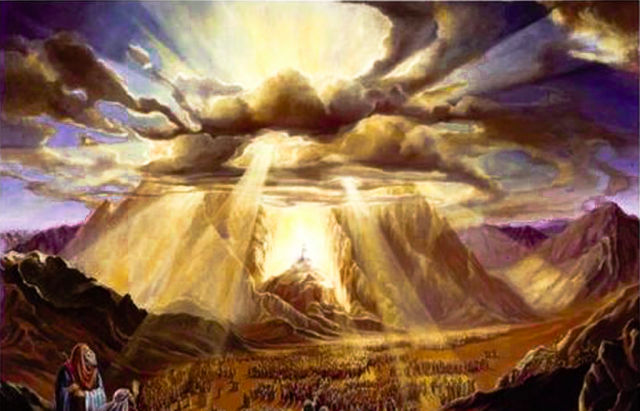
In the beginning, God created the heavens and the earth. The earth was without form and void, and darkness was on the face of the deep. And the Spirit of God was hovering over the face of the waters. Then God said, “Let there be light”; and there was light. And God saw the light, that it was good; and God divided the light from the darkness. God called the light Day, and the darkness He called Night. So the evening and the morning were the first day. (Genesis 1:1-5)

His Day The First Day

From the beginning of the world and the creation of man and woman, time has been marked by days and years. Though calendars have evolved throughout the history of man, all men have marked the passing of life in days, weeks, months and years. Ordained by God each week consists of seven days. On the fourth day of creation, the Lord created the sun, moon, and stars to be as signs and seasons, and for days and nights dividing the day and night. After the flood, God told Noah that all seasons and days would continue as they had from the beginning as long as the world would stand. However long the grace of the Almighty allows the universe to remain, days pass as fleeting shadows of increasing years and centuries. Man is trapped in the revolving door of days and weeks counting his life in years until time is no more and death approaches. Whether a man believes in God or not he recognizes the law of creation when he marks his life with days. With all the wisdom of man, he can never escape the invisible attributes of the Lord’s handiwork in determining his life with days and weeks. The challenge for all men has been how he spends those days and what the weeks of life will mean to him. Throughout the revelation of God to man the Divine has ordained certain things on certain days that would test the resolve of man to honor his Creator or deny Him. It is not insignificant to consider the world was created with the power of God to bring light dividing the darkness and the story of man begins. Darkness was on the face of the deep and by the word of the Lord, the light came and overwhelmed the darkness of the world. The first day was the first evidence of God’s love, His power, His might and His message of a hope that would save man from himself. On the first day of the week on the first day of creation, light ruled the world.

As God prepared to deliver Israel from the bondage of Egypt, the Lord told Moses the final plague would be the beginning of the calendar for His people. When the Lord told Moses what would come upon the nation of Egypt and the death of the firstborn, He gave instructions to the Hebrews to save themselves and flee the wrath of God. On the tenth day of the month, they would take a lamb, a male of the first year and keep it until the fourteenth day when it would be killed at twilight. Taking the blood and putting it on the doorposts and on the lintel of the houses where they eat the Passover meal, the children of Israel would be saved from the death of their firstborn. The tenth plague would take place on the night of the seventh day which corresponds to our Saturday night. The Lord instituted the seventh day as a holy convocation for the nation of Israel to remember how they were delivered from the Egyptians. Moses would define the day as the Sabbath day in the Law. The significance of the Sabbath was first realized because of what happened on the first day of the week. Under the Law, on the first day of the week, the people were to remove leaven from their houses and if a man ate leaven on the first day or other days he would be cut off from Israel. The first day of the week was a significant day for the feast of the Passover. It would have greater significance when the Passover lamb of Jesus Christ rose from the dead on the first day of the week.

The New Testament is very clear the Law of Moses has been abolished and as the Jews are no longer bound by that Law so the Gentiles cannot find salvation apart from Christ. God sent His Son into the world to save the Jew and the Gentile who could not justify themselves as a law to themselves or keeping the Mosaical law. The hope of eternal life is found in Jesus and in the divine wisdom of the Father He established the first day of the week as a day of remembrance for the sacrifice of Jesus, the love of God and the ordination of worship for all men who will obey His will. The first day of the week was when the Creator brought light into a world of darkness. In the New Testament church, the first day of the week is when God brought from the grave His only begotten Son that gave light to a world filled with sin. On the first day of the week, the Holy Spirit ordained that all men honor and worship the Lord without exception. Like the Passover lamb when Israel was in Egypt, Jesus became the sacrifice as His blood is now the evidence of God’s mercy to save men from His wrath. The beginning of salvation began on the first day of the week and has been bound as a sign of the everlasting covenant of grace to worship the Father who willingly gave His Son as a sacrifice. Sunday is not just a day of the week. It is a day of praise, worship, glory, and honor to the Lord for His love, His grace, His kindness, and His message that hope can only be found in Christ. There is a symbolism from the Law of Moses as the people prepared for the Passover feast to remove leaven from their homes on the first day of the week. It would do well for all those who honor God to use the first day of the week as a day of cleansing the leaven of the world from their lives so they can prepare their hearts for the devotion of the lamb that was slain on a Roman cross. Sunday is the day of the Lord for a reason. Never lose the meaning of this day.
Posted in Uncategorized | 2 Comments

The Family Of The Philippian Jailer

philippian-jailor_001

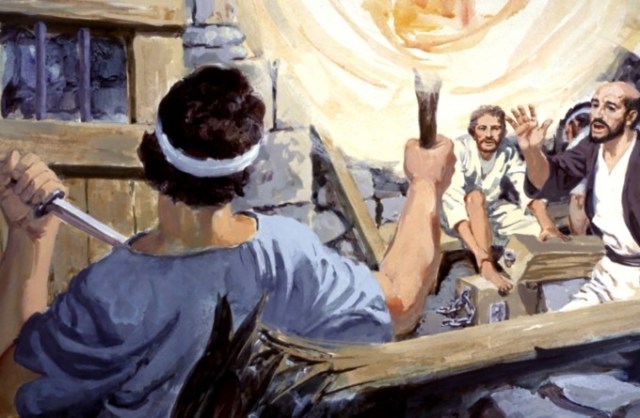
Then they spoke the word of the Lord to him and to all who were in his house. And he took them the same hour of the night and washed their stripes. And immediately he and all his family were baptized. Now when he had brought them into his house, he set food before them; and he rejoiced, having believed in God with all his household. (Acts 16:32-34)

The Family Of The Philippian Jailer

Serving as a jailer for the Roman authorities would not have been a very glamorous occupation requiring very little to do but to keep men awaiting execution or adjudication of charges. The Romans cells were dim, damp, and filthy with an incredible stench. These would have been places that were repugnant to the human senses and to be in charge of such places would require little more than men of lower morals and values to keep men as cattle. On the scale of men who would have been prime candidates for the gospel of Christ the Philippian jailer would not have risen to the top. When Paul and Silas arrived in Philippi, they encountered a certain slave girl possessed with a spirit of divination her masters used for fortune-telling. Annoyed by her constant harassment Paul cast out the evil spirit which greatly angered her masters. Inciting the crowd against Paul and Silas, the men were beaten with many stripes and thrown into prison. The jailer would have received these strangers with no little fanfare and decided to place these trouble makers into the inner prison. To further humiliate and punish Paul and Silas, the jailer had their feet fastened in stocks. Albert Barnes make a note about the jailer placing them into the stocks: “It is probable that the legs of the prisoners were bound to large pieces of wood which not only encumbered them but which were so placed as to extend their feet to a considerable distance. In this condition it might be necessary for them to lie on their backs; and if this, as is probable, was on the cold ground, after their severe scourging, their sufferings must have been very great. Yet in the midst of this, they sang praises to God.” And the jailer was the man who caused this misery on Paul and Silas.

The Lord had greater plans for His two servants. At midnight as Paul and Silas were singing hymns the Lord brought an earthquake that shook the foundation of the prison and immediately all the doors were opened and everyone’s chains were loosed. The keeper of the prison was startled awake by the earthquake. He thought that all his prisoners would have escaped at such an opportune time and decided to kill himself. Knowing the fury of the Roman authorities for allowing prisoners to escape there would be no other choice. From the inner prison, Paul cried out for the man to not harm himself because all the prisoners had remained. Calling for a light he fell down at the feet of Paul and Silas begging to know what he must do to save himself. In the midst of a terrible injustice done to these messengers of God a wonderful story of grace is found in Paul preaching not only to the jailer but to all that were in his house. The Philippian jailer then took Paul and Silas and washed their stripes. Now the incarcerated are treated with sympathy and gratitude instead of the harshness of the stocks. The jailer washed Paul and Silas of their stripes and then Jesus washed the jailer and his household of their stripes. Immediately the jailer and all his family were baptized. It is not known who made up his family but they believed with open hearts who had witnessed the earthquake and the great faith of Paul and Silas. The jailer had concern not only for himself but for his family. God’s grace was brought into the home of a man who just a day earlier was nothing more than a jailer imprisoning the outcasts of society. Now he and all his family were children of God and glorifying in the saving grace of a loving Lord.

After Paul and Silas baptized the jailer and all his family they were brought into the jailer’s home to receive nourishment as they all rejoiced together their new found faith. The spirits of Paul and Silas were lifted to the throne of God for such a powerful testimony of the power of the gospel. This would be a story often retold in the presence of many witnesses to show how the Lord can and will work in the lives of the most unsuspecting souls. The household of a Philippian jailer was now part of the household of God. Not only did the jailer learn of the grace of God but he also saw the faith of Paul and Silas as they returned to their cells. They did not flee or try to escape. It was certain they had been beaten openly and as a Roman citizen, Paul was charging the city officials of the high crime of condemning a fellow Roman without charge. The jailer learned a great lesson of trust in the will of the Lord when he saw how Paul and Silas remained in jail until they were released with legal means. Luke does not tell what became of the jailer and his family but one can imagine what a strong church there was in Philippi when Lydia and her friends met their new Christian friends – the jailer and his family. Later Paul would write to “all the saints in Christ Jesus who are in Philippi, with the bishops and deacons.” Could the jailer have been one of the bishops or deacons? It is certain he was one of the saints. Praise God for His incredible grace to save a jailer and his family.

Posted in Uncategorized | Leave a comment

Why Jesus Came To Earth

Zacchaeus-GettyImages-91728285-57ff9b235f9b5805c267ec49

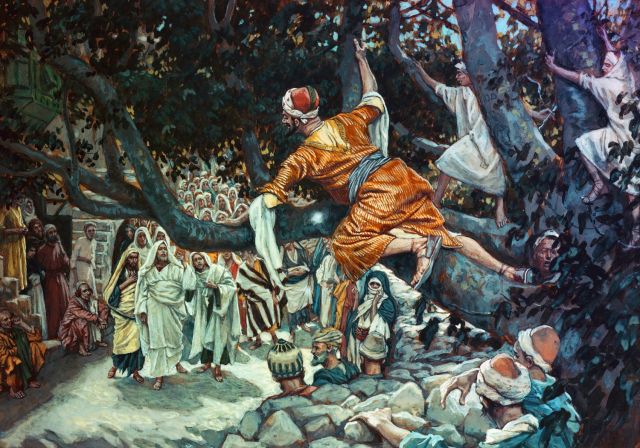
And Jesus said to him, “Today salvation has come to this house since he also is a son of Abraham. For the Son of Man came to seek and to save the lost.” (Luke 19:9-10)

Why Jesus Came To Earth

Zacchaeus was a wee little man but his story is one of the great stories of scripture. As Jesus was passing through Jericho he wanted to see the man from Nazareth he had heard so much about. Zacchaeus was a chief tax collector and very wealthy. In the Jewish world, he was despised as a traitor to the Jewish people for collaborating with the Roman authorities to collect undesired taxes and most often through avarice or cheating the citizens. As a chief tax collector, Zacchaeus would have been viewed with greater hatred. Because of his small stature, he was not able to see Jesus because of the crowd and decided to climb a sycamore tree so he could see Jesus as He walked by. When the Lord came to the place, He called for the tax collector to come down out of the tree as He wanted to stay at the house of Zacchaeus. This excited the tax collector and he hurriedly came down out of the tree and received Jesus into his house. Luke does not record the conversations of Jesus and Zacchaeus but something remarkable happened to the tax collector. He would give half of his goods the poor and if he had taken things dishonestly he would restore it times four. A change of heart took place in this chief tax collector. This seems to be the design of why Jesus wanted to come into his house and the Lord proclaimed glory to God for the salvation that had come to the house of Zacchaeus. Jesus tells all the people His purpose for coming was to seek and save the lost. There are three lessons learned from the story of Zacchaeus.

Jesus came to find the small people of the world. He did not come to find those physically small but those who were burdened with sin. His greater response came from the common man. The Jewish leaders were so filled with prejudices they could not see Jesus as the Son of God. When John the Baptist was imprisoned and sent messengers to Jesus, the Lord told them to tell John the common people were hearing the good news. The scholars and wise men of the world would not be impressed with a man who was born of a poor family in a city of no note in a place where animals were stalled. Jesus was the son of a carpenter and as far as the world was concerned an uneducated man. The common man readily heard the word of Jesus and many disciples followed Him. Jesus came to call all men to the gospel and their status in the world does not give them any greater privileges or influence because of who they are, what positions they hold or their monetary worth. All men are the same before God and He is no respecter of people. It seems the small people of the world have a greater interest and acceptance to the gospel call than those who fill their lives with the wisdom of man.

Jesus came to find the castaway of the world. Zacchaeus was hated by many and viewed as a person of ill repute. The Lord came to find souls regardless of their place in life. He would often spend time with those who were considered the sinners of His world. Everyone needed the gospel of salvation from the king to the peasant; from the rich man to the poorest beggar; and all nations of people regardless of skin color, height, weight, gender or social status. Jesus came to bring salvation to the homes of people like Zacchaeus that would find peace in the love of God. He was a wealthy man who realized his true worth was in the kingdom of God and riches made no difference for him. The world may have viewed him with disdain but he knew that God loved him and that Jesus had come into his home and changed his life. There are many people burdened with great challenges of sin but God loves them also. Paul would describe in his letter to Corinth how that some of them had been fornicators, idolaters, adulterers, homosexuals, sodomites, thieves, covetous, drunkards, revilers and extortioners but they had been washed, sanctified and justified in the name of the Lord Jesus. They found what Zacchaeus experienced in his house – the grace of a loving God.

Jesus came to find the hearts that would turn to the Father. The people complained that Jesus had to be a guest with a man who was a sinner. What they could not see is the fertile ground of a tender heart receptive to the saving grace of God. Whatever Jesus and Zacchaeus talked about is not recorded but one thing that is known is the change of heart that came to that house that day. Zacchaeus was a wealthy man who was now going to become a servant to the poor and an example of fidelity to those he may have cheated. His life changed dramatically because Jesus came into his house. This was not a peripheral feeling of religious pride but a genuine change of heart that would impact all that knew the chief tax collector. Here was a changed man and a fully changed man. When the gospel fills the heart there will be no room for selfishness or pride. Zacchaeus emptied his purse because he had emptied his heart to God. The story is not told but when this chief tax collector died his glory was not in what he left behind but what he found when he climbed into the bosom of Abraham as tall as any man. He found Jesus that day and it changed his life. And that is why Jesus came to earth.

Posted in Uncategorized | Leave a comment

A Disobedient And Contrary People And God’s Love

Exodus-19-21-1024x658

But to Israel he says: “All day long I have stretched out my hands to a disobedient and contrary people.” I say then, has God cast away His people? Certainly not! For I also am an Israelite, of the seed of Abraham, of the tribe of Benjamin. (Romans 10:21-11:1)

A Disobedient And Contrary People And God’s Love

The nation of Israel was the apple of God’s eye enjoying all the favors of a chosen people born of adversity and cherished by the mighty hand of a compassionate Father to His children. With all the blessings, security and needs fulfilled by the providential hand of God, Israel could never grasp the measure of how much they would be cared for if they would obey the will of the Lord God who brought them out of Egypt. The Old Testament is a testimony to the stubborn will of Israel who continually disobeyed the Lord and acted in every contrary manner possible. They saw the mighty works of God through the plagues brought upon Egypt yet doubted Him as they approached the Red Sea. Shortly after their arrival to Mt. Sinai to receive a law the people fell into the carnal pleasures of calf worship with many lives lost. They were promised the land of Canaan as their own special inheritance yet when they arrived at its borders they rebelled against the will of God and failed to believe they could conquer the land with God’s help. Forty years of wandering in the wilderness removed the stubborn will of those who refused to give the Lord His glory but the new generation that would conquer the land struggled with their faith as the period of the Judges and Kings led to the destruction of the ten northern tribes and the final demise of the last remnants of a once powerful and mighty nation. The remnant of Israel came out of the bondage to await the coming Christ. When the Son of God came down from Heaven showing Himself to His own people they rejected Him and killed Him. The final bell was sounded in 70 A. D. when the nation of Israel was removed from the pages of history as the Romans destroyed Jerusalem. It is clear the history of Israel is characterized by the story of a disobedient and contrary people.

Paul’s plea in his letter to Rome was to illustrate the failure of Israel to accept the rule of God in their lives. As a nation, the Lord had rejected Israel because the people had broken the covenant given to them at Sinai. With all of their failures and while their history is filled with disobedience and going against everything God demanded of them, the Lord still loved them and desired they be saved. The apostle would write that his heart’s desire and prayer to God for Israel is that they would be saved. As difficult as the nation of Israel had been God did not cast them away. The love of God is seen in the history of Israel for the innumerable times the Lord extended mercy, grace, longsuffering, and patience and in every case offered the people His love if they would repent and return to Him. He did not condone their actions nor approve of their disobedience and demanded they repent. Sadly they rejected the mercy of God and His love. The Jews killed the Son of God but the Son of God died to give them hope. Fifty days after Jesus arose from the dead the first sermon of grace was given to a crowd of men that had assembled in Jerusalem to worship God. Three thousand devout Jews obeyed the gospel of Jesus Christ because God had not cast them away. They responded to the first call of grace and the early church was originally made up of the nation that is called a disobedient and contrary people. If Israel is the example of man’s rebellion God’s grace is the example of how much He is willing to love a people that are undeserving.

Reading the story of Israel and seeing how they were a disobedient and contrary people it is easy to see the nature of all men who find themselves before a righteous and merciful God. There was nothing special about Israel that made them worse than any other person on the earth. The Old Testament is filled with the story of how Israel struggled with sin and often they failed to give God the glory. Throughout the story of Israel God’s love and His wrath is clearly defined and illustrated for all men to see that sin is the evil man must overcome and although the struggle with sin is a constant challenge for man God is always faithful. Those who rebelled against the Lord and refused to repent were destroyed. The mercy of God was given to those who were disobedient and contrary and who repented and sought the love of God. That is the story of all men. The word of God is given to show all men the nature of sin and that if they repent God will extend to them His divine mercy and love. No man should ever ignore the wrath of God because it is as real as His love. The severity of God is fully documented as well as the goodness of the Lord is exalted in holy writ. Israel is the example of the struggle all men have. I say then, has God cast away all men? Certainly not! God so loved the world He gave His only begotten Son and through the blood of the Savior all men can find the love of God if they would repent and obey His will.


Posted in Uncategorized | Leave a comment

The New Testament Pattern Of Holidays

easter-lilly-vector question

Now about that time Herod the king stretched forth his hands to vex certain of the church. And he killed James the brother of John with the sword. And because he saw it pleased the Jews, he proceeded further to take Peter also. (Then were the days of unleavened bread.) And when he had apprehended him, he put him in prison, and delivered him to four quaternions of soldiers to keep him; intending after Easter to bring him forth to the people. (Acts 12:1-4; King James Version Bible)

The New Testament Pattern Of Holidays

Keeping days of significance has been a way that man enjoys certain milestones in life like birthdays, memorial days, and national days of historical remembrance and a myriad of holidays to commemorate a festival or important event. In our modern world, there is a notation for every day of the calendar year that honors everything from potatoes to bees to national donut day and jelly bean day. These days of holiday are an important part of the fiber of any culture to identify with a national climate or family tradition and on the whole, are harmless and expressions of fun and personal enjoyment. Like most things that are good of themselves, the nature of man is to impose or suggest holidays as a religious pattern and believe over time they are accepted by the will of the Lord and approved. The fourth day of July may be on the calendar of England but it is not celebrated as a day of freedom like it is in the United States because the significance is of no of importance. In like manner, there is no celebration of St. George’s day in America as this is a festival in England. Remarkably the New Testament does not reveal the early church celebrating any holidays or festivals that are so common in the modern view of religious people today. Two major events on the religious calendar are Easter and Christmas for those who profess a belief in Jesus Christ. No record is given where the first-century disciples signified certain days as festivals or holidays to celebrate the resurrection of Jesus (Easter) or the birth of Jesus (Christmas). When the scholars were translating the Bible into the English language for the Church of England (authorized by King James of England in 1604) they included the word “Easter” in the text of Acts 12. Albert Barnes sums up the problem very clearly when he writes, “There never was a more absurd or unhappy translation than this. The original is simply after the Passover. The word ‘Easter’ now denotes the festival observed by many Christian churches in honor of the resurrection of the Savior. But the original has no reference to that, nor is there the slightest evidence that any such festival was observed at the time when this book was written. The translation is not only unhappy, as it does not convey at all the meaning of the original, but because it may contribute to foster an opinion that such a festival was observed in the time of the apostles.”

The New Testament pattern of keeping holidays is nonexistent. Nothing in the writings of the early disciples suggests God approved of keeping certain days as religious holidays or festivals. Paul warned the saints in the churches of Galatia of imposing religious rites with days and months and seasons and years. He would also express concern to the church at Colosse for those judged by food or drink or regarding a festival or a new moon or Sabbath. The Jews were very familiar with religious holidays. Under the Law of Moses, there were festivals, Sabbaths and certain days that were an integral part of the worship of the nation of Israel. The days were restricted to the Jews alone and not binding on those not under the Law. When the church was established and the Law of Moses was done away with there were no holy days to keep in the significance of new moons or Sabbaths or the like. Easter was never celebrated by the early church no more than Christmas was celebrated by those who knew exactly when Jesus was born. The mother of Jesus was a part of the early church and yet the Holy Spirit never revealed the month or day of His birth. Easter and Christmas are part of the fabrication of the imagination of man to worship God in a secular and carnal fashion. These holidays do not honor God but they give a man a sense of identity to soothe his conscience for denying the Lord the other weeks of the year. Great fanfare will go into rising early on Easter morning to engage in a solemn service of Easter sunrise and by the middle of the same week, most individuals have returned to the pagan pursuits of the carnal mind. Christmas has become nothing more than a maddening pace of materialistic pursuit of spending and giving gifts to see who can outdo the Jones family that lives around the mystical corner of every neighborhood.

There is a day given by the Lord to remember, celebrate and acknowledge His majesty. It is a day that is in many ways as common as the other six days of the week it shares company with. However, from time beginning the Creator has desired for His creation to stop and spend time on a day to contemplate his place in the universe and the blessings of an eternal Father. For the Jews, this day became the seventh day of the week called Sabbath. When the Law of Moses was taken out of the way the law of Sabbath was removed and is no longer binding. A new day came from the mind of God for man to reflect upon the holiness of eternal grace and love: the first day of the week. On the first day of every week, the early church assembled to worship, praise and honor the love of God and His sacrifice found in the death of Jesus Christ on a cross. This is the day of worship inscribed by the Holy Spirit for all men to subject themselves to the will of the Father. Every first day of the week is imposed upon the soul of man to remember the sacrifice of Jesus. The Lord’s Supper is engaged each week as a reminder of the price for salvation. This is not a holiday but a day of joy and sadness reflecting the deep spiritual need of man for a loving Father. There is a pattern for the first day of the week in the New Testament. It is upon this pattern that all men should worship in spirit and in truth.

Posted in Uncategorized | Leave a comment

Slaughter Them Before Me

juddgment day

But as for these enemies of mine, who did not want me to reign over them, bring them here and slaughter them before me. (Luke 19:27)

Slaughter Them Before Me

The parables of Jesus were simple stories to drive home the point of an eternal truth offered for man to learn the will of the Father. They were direct in their nature and for the interested student conclusive in the lessons taught. There would be no room for doubt as to the meaning of the parable and Jesus used these storytelling events to impress upon His hearers the character of truth, righteousness and eternal judgment of God upon those who disobeyed Him. The parable of the talents and the parable of the minas are very similar with similar lessons for the Jews of Jesus day and for all men throughout the ages. In the parable of the minas, the concluding scene is very direct in its message of the wrath of God. Ten servants had received from their lord an equal amount with equal responsibility to do business until he returned. When the day of accounting came one of the servants came and because of fear he had not done anything with what was entrusted to him. The servant was fearful of his master because he knew what a severe lord he was. This did not excuse the man from receiving a harsh judgment from the Lord and was condemned for his lack of faith. At the end of the parable, the Lord calls together those who had early refused to serve under his lordship. When the nobleman went off into a far country the citizens hated him and sent a delegation after him saying they would not have him reign over them. Their rebellion was clear. When the Lord returned, judgment came against the rebellious citizens when the Lord called for them to be brought before Him and slain in His presence. The word suggests a slaughter because they refused to subject themselves to the will of the Lord.

Jesus taught many lessons to the Jewish people concerning events that would take place shortly in their own history. He knew of the coming Roman persecution against Jerusalem that would find fulfillment in A.D. 70 and the destruction of God’s city. The Lord also knew His own people would reject Him as Christ and suffer Him to be killed on a cross. They would bear the blood of rejecting Him as responsible for killing the Chosen One of God which Peter plainly preached on the Day of Pentecost. The parable of the minas was a lesson on how the people would refuse the rule of Christ and find judgment by the hand of the Romans but also by the hand of God in the eternal judgment. Beyond the scope of the judgment against the Jews, the parable of the minas teaches the reality of God’s wrath upon those who refuse to submit themselves to His will. There are many who will not obey the word of God and like the citizens of the parable saying, “We will not have this man rule over us.” Jesus tells the story of the judgment of God where all men will be gathered before Him and like the nobleman demand justice against those who did not want Him to reign over them. In the final day of reckoning, the fierce wrath of the Lord will be meted out upon those who reject the blood of Christ. The reality of the lake of fire and brimstone is the eternal slaughter of souls that will never perish. Jesus taught the wrath of God. He did not check His words to soften the message of those who would refuse to submit to His Father. The Son of God is very clear in the reality of a place of punishment. Refusing to believe in a place like Hell is refusing to believe that Jesus is the Son of God.

It is easy for the theology of man to refuse to teach or preach the eternal consequences of rejecting the authority of God. For most men the idea of a loving God that would punish anyone in eternal fire is unacceptable. They must reason how Jesus could use language found in the parable of the minas. The destruction of Jerusalem was a terrible slaughter of the Jews by the hand of the Romans. Jesus warned the nation years before the event and clearly illustrated how severe the judgment would be. If Jesus was correct about the terrible nature of the destruction of Jerusalem why would anyone think the eternal judgment would be anything less; if not more severe because it never ends? The nobleman in the parable demanded all those who did not want Him to reign over them to be brought and slaughtered before him. God is that nobleman and all those who refuse to submit to the will of the Father will be cast into an eternal fire where there are weeping and gnashing of teeth and total darkness. The cost of salvation was the life of the Son of God which measures the severity of the punishment against those who refuse to accept the gift of God in Christ. Not everyone who calls on the Lord will be saved but only those who do the will of the Father. Refusing to submit to God will bring about a great slaughter.

Posted in Uncategorized | Leave a comment

Causing Another To Be Drunk

AP0817

Woe to him who gives drink to his neighbor, pressing him to your bottle, even to make him drunk, that you may look on his nakedness! You are filled with shame instead of glory. You also—drink! And be exposed as uncircumcised! The cup of the Lord’s right hand will be turned against you, and utter shame will be on your glory. (Habakkuk 2:15-16)

Causing Another To Be Drunk

The burden which Habakkuk the prophet declared in his book is a message of the cruelty of nations oppressing other nations and individual applications to the same principles. This man of God is perplexed over the vile sins of his own people and is told by God that a foreign nation will bring divine justice upon them to execute the righteousness of the Lord upon an unrighteous people. The prophet is also assured that while a heathen nation is used to punish the nation of God this same nation will feel the wrath of God in their own destruction. His conclusion fills the New Testament covenant in the expression the righteous is to live by his faith in God and trust His plan of divine retribution. Habakkuk is a questioning prophet who wants to know why the Lord permits injustice and why to use the wicked to punish the righteous. The Lord does not leave him without understanding the way of God is the path of truth and Habakkuk humbly accepts the will of the Lord as right praising God for his divine righteousness. Part of his dissertation of judgment against the wicked the prophet talks of how one nation will bring another nation low by having them drunk on the pleasures of sin. Causing the people of God to follow the drunken stupor of idolatry, the Chaldeans influenced righteous souls to follow an unrighteous path. Like in the story of Noah when he became drunk and was uncovered to his shame, the nation of God drank of the vile intoxicating drink of the nations around them and was exposed in their own shame. There would be the punishment of the Lord upon His own people and the nation that caused the apple of His eye to stray from His love.

There is included in the charge against foreign nations causing the people of God to become drunk with the wine of their unrighteousness, a message for the individual and how he can also bring shame to another by causing them to put their hand to the bottle. Drunkenness has always been a sin before the Lord as a man takes something created by God to possess a spirit that is ungodly and defiles the body. Not only is the man who is drunk accountable to the divine judgment but also the hand of the one who gives his neighbor drink, putting the bottle to him and making him drunk to look upon his nakedness. God does not withhold His wrath upon those who put a stumbling block in the path of others to cause them to be drunk. This is a clear warning to those under the covenant of Christ to see the futility of social drinking and the casual approach many take to the matter of alcohol. Many use the story of Jesus turning water into wine in John’s gospel as a proof text that drinking is acceptable. They are misled by their own prejudice to teach something that is impossible for Jesus to have done. The amount of wine created by Jesus at His first miracle was around 130+ gallons of the best wine as noted by the master. If Jesus created 130+ gallons of intoxicating drink and caused anyone at the wedding feast to become drunk, Jesus would have sinned against His Father. Habakkuk establishes the penalty of a man who causes another to be drunk and Jesus never would have created one ounce of intoxicating drink to cause another man to stumble. The principles used by the prophet Habakkuk prove the impossibility of Jesus creating intoxicating drink thereby making useless the arguments children of God try to dissuade their conscience to drink responsibly.

Another lesson found in the text of Habakkuk is the power of influence on others. The apostle Paul will spend a great deal of time exhorting the early Christians to be careful of their influence on others, especially the weak brethren. There have always been matters that can offend the weak conscience and the influence of others to mislead others can bring about sinful attitudes. One of the great principles of Christian duty is to be mindful of the lives of others and to humbly seek the welfare of others. No man has a right to think more highly of himself than others. The actions of one can influence another to stumble. To offend a brother with disregard for their conscience is doing the same thing against Christ Himself. In the book of Habakkuk the prophet shows the penalty against not only the people of God for allowing the Chaldeans to influence them but also the charge against the Chaldeans for their actions. Such is the case of the individual who causes others to stumble. Those who sin will be judged according to their actions but those who cause others to sin will be held to a higher standard of accountability. Jesus is a perfect example of one who always taught the will of the Lord by His actions towards others. He paid the temple tax so as not to offend. The Lord gave His life for all men to save them and left an example of serving others. No man can live his own life without thinking of his influence upon others. If there is any charge to be made in the manner of life that influences others, let it be the goodness of God that leads men to repentance.

Posted in Uncategorized | 2 Comments

What Condemns A Man?


John-3-18-He-That-Believes-Is-Not-Condemned-beige-copy

For God did not send His Son into the world to condemn the world, but that the world through Him might be saved. He who believes in Him is not condemned; but he who does not believe is condemned already because he has not believed in the name of the only begotten Son of God. (John 3:17-18)

What Condemns A Man?

There was a man of the Pharisees named Nicodemus that came to Jesus by night inquiring of the teachings of the man from Nazareth. Nicodemus acknowledged the people viewed Jesus as a teacher come from God and that His teaching had authority. As the Lord explained the need for men to be born again, the ruler of the Jews was puzzled how a man could be literally be born of his mother a second time. Jesus was referring to the spiritual birth that was found in the acceptance of the heart to the will of God consummated in the waters of baptism. The Lord explained to Nicodemus that like Moses lifted up the serpent in the wilderness, so the Son of man must be sacrificed for the sins of the world. Declaring God’s eternal love Jesus told His inquirer that God so loved the world to offer His only begotten Son as a sacrifice and for those who believed in the Son of God would be saved. Most people are familiar with the passage of John 3:16 but few know Jesus had more to say about salvation in the context of His conversation with Nicodemus. To better understand the love of God to send His only begotten Son, the honest student of scripture must see what else qualifies the teaching of Jesus. The purpose of the coming of Christ was not to condemn the world but to save men from the wrath of God. In the text of John 3:16 the love of God and the wrath of God are found. First, the love of God is seen in that He gave His only begotten Son for men to believe in Him. Jesus did say that if a man did not believe on the Son of God he would perish, suggesting an eternal punishment instead of everlasting life. Before time began the Father established that all men would find grace through His Son in His death on the cross. Jesus came to save men. He taught the message of salvation beginning with the first word of the gospel: repent. His desire was to save all men and bring them to the love and mercy of the Father. However, Jesus was killed on a cross through the ignorance of men who denied Him being the Son of God. They did not believe He was the Christ, rejected Him and delivered Him up to die. Jews and Gentiles stand guilty of the murder of God’s Son and yet through that sacrifice all men have the grace of God afforded to them for salvation.

Jesus Christ is the sacrificial lamb offered by God to show men His love and grace. Believing Jesus is the Son of God will bring the heart into obedience and a willingness to follow His teaching. This kind of belief is not a shallow type of feeling that only acknowledges the name of Jesus without complete allegiance to the will and word of the Father. To believe in Jesus is to submit to His will, His authority, and His word. Faith comes from hearing and when one hears the word of God they will subject their lives to the will of the Father. When a man believes in Jesus he will not be condemned. His heart is open to the teachings of the Lord. On the day of Pentecost when the twelve apostles preached the first lessons of God’s grace to a crowd of devout Jews, three-thousand souls obeyed the message of the gospel because they believed and accepted the will of God. There were no arguments or literary debating on what a man must do to be saved but willing hearts that gladly accepted the word of God and those who gladly received the word were baptized for the remission of sins. This was in keeping with what Jesus told Nicodemus in the new birth. To be born again is not a feeling of the heart alone where salvation comes through faith alone. Those on Pentecost followed the command of God in doing all that was needed to be saved.

What condemns a man? When a person hears the story of Jesus Christ and does not believe he is condemned already because he is unwilling to accept the name of Jesus as being the saving power of God’s love. Jesus explained to Nicodemus there are those who will be condemned because they refuse to accept the will of the Father. If a man is not born again he cannot enter into the body of Christ. Failing to believe that Jesus is the Christ, the Son of the living God, a man will be condemned and this condemnation comes from his heart in refusing to accept the grace of God. On the day of Pentecost, there were many devout Jews that did not obey the gospel as the three-thousand did. Throughout the Acts of the Apostles, Luke tells the story of how the church grew and multitudes obeyed the gospel but there were many people who never accepted the teaching Jesus as the Son of God. They did not find salvation in death because they were condemned already for refusing to accept the teachings of the Father. God had done all He could do in sending His Son. When men refuse to believe that Jesus is the Son of God there is nothing left to save man. Death becomes a horrible experience when men learn that Jesus is the Christ, the Son of God but it is then too late. Jesus taught in His sermon on the mountain that most men would be lost because they are unwilling to embrace the teachings of the Father and will be condemned. On the final day of Judgment, there will be those who are saved and there will be a vast multitude of people who will be lost. Condemnation will come upon those who refuse to make Jesus king of their lives and live in the word of the Father.

Posted in Uncategorized | Leave a comment

If They Are Named A Brother

ancient-corinth-0

I wrote to you in my epistle not to keep company with sexually immoral people. Yet I certainly did not mean with the sexually immoral people of this world, or with the covetous, or extortioners, or idolaters, since then you would need to go out of the world. But now I have written to you not to keep company with anyone named a brother, who is sexually immoral, or covetous, or an idolater, or a reviler, or a drunkard, or an extortioner—not even to eat with such a person. For what have I to do with judging those also who are outside? Do you not judge those who are inside? But those who are outside God judges. Therefore “Put away from yourselves the evil person.” (1 Corinthians 5:9-13)

If They Are Named A Brother

The New Testament church is a unique organization that adheres to a strict set of directives given by God. In a world that is not comfortable with absolutes and commandment keeping, the modern church is reluctant to adhere to the teaching of the pattern established by the first disciples. Reading of the early church and how they dealt with problems arising within local congregations, students of scripture quickly realize there are some tough decisions that must be made. Paul’s letter to the church in Corinth is filled with strong language exhorting the saints to establish some clear teachings among the brethren setting a pattern for generations to come. There was a serious problem at Corinth where a man had his father’s wife of such a nature the apostle remarks this is not even named among the Gentiles. The church ignored the blatant and wicked union of this man demanding an immediate response from the apostle of Christ. Paul demands the church take punitive action against the situation not to destroy the church but to save it. The purpose was to save the souls of those involved and bring glory to the church. As the apostle explains what the church must do, he commands them to refuse fellowship or company with the one who is called a brother who remains in his sinful state. It was clear in the writings of Paul that he instructed the church not to keep company with sexually immoral people. As the apostle explained the Lord did not suggest His people become hermits living apart from the world in a monastic fashion but to purge from their midst as pertaining to the church those who refused to submit to the will of God. Christians must live in the world working and carrying on the affairs of the world which means they will be in constant contact with ungodly and wicked hearts. His point was to establish within the body of Christ the need to keep the purity of the body in the love of Christ.

There is an important lesson from Paul’s letter to Corinth that still must be followed today. The bride of Christ must be kept as pure as possible and to allow sin to dwell in the midst of God’s people does not bring glory to the Lord. God demands his people not to keep company with anyone named a brother (by inference a sister) who is in a covenant relationship with God refusing to submit to the will of God. Those who are outside the church will be governed by a loving and merciful Lord. For the individuals within a local congregation, the apostle enjoins they be refused fellowship in accepting their state of life as being in an unrighteous and unholy part with the world. The key is to whom this discipline must be administered: those who are brethren. Every congregation has a God-given responsibility to maintain the purity of the church and part of this includes the punitive discipline of those saints that are in rebellion to the commandments of God. All men struggle with sin and the apostle is not suggesting no company can be kept with anyone. The man in Corinth was in an unscriptural relationship that would destroy his soul before judgment and the church was doing nothing to save him. To their shame, the Corinthian church was puffed up to ignore such a matter. They were commanded to take an action that would establish the purity of the word of God, seek the salvation of the lost soul and show the world the impact of a church that seeks to follow the sovereign will of God. This was something that was to be done with a brother in Christ.

There are limitations the church has with regard to relationships. Paul illustrated there are many sexually immoral people in the world but the church has a responsibility to discipline those named a brother or sister who are in a state of digression and sin. A congregation that refuses to exercise punitive discipline is a congregation in rebellion to the word of God. What is also sad is when a congregation refuses to follow the New Testament teachings they endanger the souls of those brethren who could be saved if only the church would show the love to discipline them. There is nothing more tragic than a child of God being lost. Peter said the last state is worse than the first and it would be better for them to not know the way of truth and then to know the truth and find themselves apart from God. How sad it will be when those who could have been saved were never taught the truth by a congregation that did not follow the teaching of God to His saints. Those who are named brothers and sisters of Christ are to be treated differently than those in the world. It is the work of the church to save those outside the church and show them the way of grace, mercy, love, and truth. There is a special responsibility for the church to discipline the members of the Lord’s body to follow the path of righteousness if they are named a brother or sister.

Posted in Uncategorized | Leave a comment

Seeking Praise From God

Seek Praise From God

Let a man so consider us, as servants of Christ and stewards of the mysteries of God. Moreover, it is required in stewards that one be found faithful. But with me, it is a very small thing that I should be judged by you or by a human court. In fact, I do not even judge myself. For I know of nothing against myself, yet I am not justified by this; but He who judges me is the Lord. Therefore judge nothing before the time, until the Lord comes, who will both bring to light the hidden things of darkness and reveal the counsels of the hearts. Then each one’s praise will come from God. (1 Corinthians 4:1-5)

Seeking Praise From God

A servant or a steward is a person who knows their place in life is one of service and responsibility to the master. These terms are difficult in a culture where freedom of thought, voice, and life are the foundation of character and identity. Slavery is frowned upon with great disfavor for good reason but the idea cannot be discounted in the relationship of man and God. Being a steward accountable to a master is not out of the question when examining the manner of how the Lord demands obedience from His disciples. Both terms resonate with the idea of service to the one who has the right to demand His will to be followed and obeyed. Service to the master is not to do with a begrudging spirit of spite but a willingness to do everything possible to please Him. A servant of Christ is a person who has voluntarily submitted their will to the voice of the Son of God without question. There are no freedoms of choice within the heart of a man who serves the Lord as a slave. It would be incredulous for a servant to demand rights from his master and no less the impossibility of a man requiring the Lord God Creator to bow to his wishes. The prophet Isaiah bemused the conflict between man and God as likened to the potter and the clay. Man was formed by God like the potter forms the clay. The clay cannot demand of the potter because the potter is the one who has power over the clay. Servants of Christ live under the authority of the Son of God without question. The slave must answer to the master alone because all authority comes from the Lord.

Stewards are those who are entrusted with great responsibility. In the Old Testament Joseph was a wonderful example of a young man who was given a great challenge to steward the house of Potiphar and did so with an exemplary spirit in a very difficult situation. When he was put in prison he continued to serve as a man of noble character to steward his responsibilities to the prison authorities and the Lord blessed him. What made the difference in the life of Joseph and as Paul would show in his letter to Corinth, stewardship is based upon a relationship with God, not man. Faithful men and women of scripture shared one single gem of character: whatever they did in whatever situation they found themselves they desired nothing more than to serve God and to please Him. There is only one judge and it is to His will the spirit must bow. Serving God goes beyond the fear of men. Pleasing the will of the Father is foremost and essential to the character of those who live holy lives. When a man realizes he is a slave for Christ and a steward of God, decisions in life will become more clear and demonstrable in the work of the kingdom because he knows what he does and how he lives is about pleasing the heavenly Father above all other things in life. It separates the minutia of this world to the spiritual treasures of spiritual holiness and godliness. Pleasing God is above all things and nothing will come before this desire.

Learning to be a slave and steward of Christ will change everything in life. Husbands and wives who seek to please God will find their servitude comes from a relationship in following the word of God. It is not about their needs and their wants but what does the Father require and how can we please Him in our marriage. As parents, children are guided by the principles of forming characters that will bring happiness to the Lord. Families are bound together by a single love of truth, righteousness, and purity to the will of the Father. This is especially true for children to learn to trust in God and have a willing heart to serve Him above all other things in life. This will be a key ingredient when they choose a mate, their occupation in life and decisions on where to live and how to form their own family. Above all else, seeking to please the Lord will govern motives and life decisions. Praise from God is to be desired above all other things. There can be no greater satisfaction than to know that when all things are finished the Lord will say, “Well done, good and faithful servant.” Judgment comes from God regardless but let that judgment be that He is pleased with the life of His servant and commending to the work of His steward in the kingdom of His Son. Please God and the joy of eternal life will be the reward given to His servants and His stewards.

Posted in Uncategorized | 1 Comment