Elected, Sanctified, And Cleansed

Peter, an apostle of Jesus Christ, To the pilgrims of the Dispersion in Pontus, Galatia, Cappadocia, Asia, and Bithynia, elect according to the foreknowledge of God the Father, in sanctification of the Spirit, for obedience and sprinkling of the blood of Jesus Christ: Grace to you and peace be multiplied. (1 Peter 1:1-2)

Elected, Sanctified, And Cleansed

The Godhead is the manifestation of the divine personalities of God the Father, Jesus Christ the Son, and the Holy Spirit. All three were present at creation, and the scheme of man’s redemption unfolded on the pages of Holy Writ throughout the generations from Abraham to Israel to the coming of Christ in the flesh. It was the eternal plan of God to save men from the bondage of sin. From the curse in the Garden of Eden, the Father promised a Seed that would bruise the serpent’s head, which was fulfilled in Jesus raised from the dead. All men have the blessing of God’s grace to receive the remission of sins through the foreknowledge of the heavenly Father, the sanctifying action of the Holy Spirit, and the blood of Jesus Christ in the waters of baptism. The plan of salvation involves all three of the Godhead. Each one is independent of the other but dependent upon working of the Father’s divine will in what is promised through the power of the Godhead.

Before the world was created, the Father determined the plan of salvation. The elect of God are chosen to be His own special people, set apart for His glory. When Jesus died on the cross, it was not a mistake or failed plan of God to establish a kingdom on earth. Man’s election was a divine plan that declares God’s manifold wisdom by the church to the principalities and powers in the heavenly places. The Father loved His people long before the world was formed from the void of darkness. Salvation is found in the knowledge of God’s eternal love that reaches far beyond the scope of time. A Christian is a chosen vessel. They are so important to the Father that He established a means of allowing men to approach His throne and find mercy. Elect according to the foreknowledge of God the Father expresses the value of the creation before the Creator.

Sanctification is setting something of value aside. It becomes holy as a matter that is set aside for a special purpose. When the promise of salvation was first given at Pentecost, it included the promise of the Holy Spirit. Repentance and baptism were the agency that washed away the sins of men according to Peter’s words. Often overlooked in the declaration of hope is the promise of the Holy Spirit. Every person who obeys the gospel of Christ receives the gift of the Holy Spirit. Through the blood of Jesus Christ, sins are washed away, and the soul is made clean to receive the promise of the Holy Spirit. Paul declares in his letter to Rome the wonder-working power of the Holy Spirit in the life of those elected by the foreknowledge of the Father. The Christian is led by the Holy Spirit, enjoys a relationship with the Holy Spirit as the Spirit Himself testifies to the Father the elected is an heir of righteousness and finds the promise of eternal life through the knowledge of the Holy Spirit. Through the word of the Holy Spirit, the soul is set apart to be holy, pure, undefiled, and blameless.

The third part of Peter’s divine declaration is the power of the blood of Jesus Christ washing away sins. Before time began, the Father set forth a plan to save all men and sent His Spirit to declare the words by which men would be saved. The Holy Spirit awaits the opportunity to bless the hearts of those who will accept the grace and mercy of a kind and loving Father. But salvation will not come if a man is not obedient to the will of the Father and accept the blood of Jesus Christ as the cleansing power of sin. Obedience is necessary for salvation. Without doing the Father’s will, there can be no measure of grace or hope of mercy. God has elected those who will be sanctified, and it demands obedience to God’s word to receive remission of sins. Peter told those gathered in Jerusalem to repent and be baptized. Those who were saved were those who obeyed the word of the Lord and washed their sins away in the waters of baptism. In his first epistle, Peter writes this same message by declaring obedience and the blood of Jesus Christ as necessary to be redeemed.

Salvation is found in the Godhead. The Father has elected those whom He has chosen for glory who are sanctified by the Holy Spirit and who obey the word of the Lord to be baptized into Christ for the remission of sins. Without the work of the Father, there can be no salvation. Rejecting the sanctification of the Holy Spirit, a man remains apart from God. Refusing to be baptized for the remission of sins condemns a soul. Obedience to the work of the Godhead is where man will find eternal life when he accepts the Father’s divine will to set apart those sanctified by the Holy Spirit through the obedience of the message of the gospel. Grace to you, and peace be multiplied.


Posted in Uncategorized | Leave a comment

Cancel Culture Among The Jews

Then Hilkiah the high priest said to Shaphan the scribe, “I have found the Book of the Law in the house of the Lord.” And Hilkiah gave the book to Shaphan, and he read it. (2 Kings 22:8)

Cancel Culture Among The Jews

Ahaz was the 12th king of Judah after the division of the kingdom following the death of Solomon. Half of the kings before Ahaz had ruled seeking to serve the Lord, but Ahaz followed the ways of the northern kings of Israel. He offered his son as a burnt offering following all the abominations of the nations whom the Lord had cast out from before the children of Israel. After sixteen years, his son, Hezekiah, took his place, ruling for 29 years seeking the Lord. What followed next spiraled the southern tribes into fifty-five years of immorality, decadence, and wickedness almost unparalleled in Israel’s history. Manasseh did evil in the sight of the Lord like the nations around him, including human sacrifice, Baal worship, idols in the Temple and courts, witchcraft, and he did much evil in the sight of the Lord to provoke Him to anger. He even set a carved image of Asherah in the House of God. The record says that Hezekiah shed very much innocent blood till he had filled Jerusalem from one end to another. His son, Amon, was twenty-two years old when he became king and, like his father, did evil in the sight of the Lord. At the age of twenty-four, his servants killed him in his own house. His son Josiah began to reign at the age of eight.

In the eighteenth year of king Josiah, Hilkiah, the high priest, made a startling discovery. Josiah did what was right in the sight of the Lord, and during a renovation of the Temple, Hilkiah found the book of the Law in the house of the Lord. The scribe Shaphan read the words of the book to King Josiah, and upon hearing its words, the king tore his clothes. Josiah began one of the most important reformations towards true worship and, for a time, brought respite to the people of God. It seems remarkable the people of God would be surprised to find the Book of the Law but earlier, when kings like Ahaz, Manasseh, and Amon defiled the Temple, they removed the Ark of the Covenant and the Book of the Law. Shaphan, the scribe, read the book as if it were the first time he had knowledge of the book. Even King Josiah reacted like a man who had never heard the words of the book. Both men acted as if it were a new thing. The nation of Israel had canceled the word of God, embracing the culture of immorality, sensuality, materialism, and personal rights.

The results of the “cancel culture” have been profound in every generation. There is a refusal to accept anything that may speak against the norms of culture. In the days of Israel as a divided nation, the anthem of cancellation was the national cry of those who despised the word of God. Kings like Manasseh filled the land with homosexuality, gender equality without distinctions, transgenderism, drunkenness, corruption, the murder of innocents, abuse of the elderly, and suppression of those who stand for truth and righteousness. The word of God was canceled, and the people suffered because of it. Nothing could be done to destroy the word, but the land experienced a drought of spiritual enlightenment as the word of God was canceled.

Recently, Dr. Seuss has faced harsh critics of the cancel culture. This comes in the face of racial bias seeking elevating one group, denouncing criticism of sexual preferences, hatred for those in authority, and a general distrust for religion. The cancellation of Dr. Seuss is systemic to what is coming over the horizon when government officials begin to cancel those who preach the gospel of Jesus Christ. This is not going to happen on the shores of Russia or Iran but the country that has long held dear the rights of individuals to preach the unchangeable message of God’s love and the clear eternal truth of His wrath. There may not be much that will drive back the forces of Satan seeking to imprison the preaching of righteousness, but more a test to see how resolved the souls of the faithful will be to keep preaching the truth.

It is not out of bounds to consider a day when someone finds a Bible in this land and reads it for the first time. There is no doubt the country’s leadership has not read the Bible or believes in the wrath of God. The irony is found in man’s failed wisdom that seeks to cancel what cannot be taken away. God’s word is settled in Heaven. Will the Lord take His word away from this country and give it to a people like the Nicaraguans who hunger for truth so that His word can be spread throughout the world? Is there a day coming when missionaries from a foreign land will come to America to teach the gospel to a people who canceled the word? Dr. Seuss is only the tremor of what is coming.

Posted in Uncategorized | Leave a comment

God Cannot Be Bribed

For the Lord your God is God of gods and Lord of lords, the great God, mighty and awesome, who shows no partiality nor takes a bribe. (Deuteronomy 10:17)

God Cannot Be Bribed

Bribery is one of the oldest criminal enterprises of humankind. A bribe is an act of exchanging favors, whether in the form of money or possessions, to influence a person’s behavior in authority. To bribe a judge is to seek a judicial outcome favorably for a certain individual. Bribing business officials tries to put the best contract in the hands of a specific group of investors. Government officials worldwide are notorious for using bribes to gain favors or extend favors to others. In some cultures, bribery is the grease that moves the wheels of life through its paces. It is a way of life. Businesses, courts, governments, and individuals all face bribery risks to some degree. There are many laws in place that seek to punish individuals charged with bribery. Companies employ risk assessment management to continually seek out situations that may compromise the honestly of business dealings.

Under the Law of Moses, bribery was forbidden. Anything that would impair the impartial administration of justice, particularly giving and receiving gifts or bribes, to pervert judgment, was forbidden. The law commanded no bribe to be taken, less it blind the discerning and perverts the words of the righteous. Samuel was one of Israel’s greatest judges, but his sons, Joel and Abijah, judges in Beersheba, turned aside after dishonest gain, took bribes, and perverted justice. In Isaiah’s time, the land was filled with the love of bribes and seeking rewards for themselves. The fatherless and widows were abused in the corrupt system of bribery. Amos would decry the poor’s treatment when the good people were given up by taking bribes and depriving the innocent of justice in the courts. Ezekiel spoke of the hired murderers, loan racketeers, and extortioners everywhere during the days of bondage. The people of God allowed the sin of bribery to corrupt and destroy their nation. Ahab took the vineyard of Naboth by dishonest men bribed to testify against the righteous man, and the Jews found two false witnesses to testify against Jesus, no doubt paid in full for their treachery.

There are two things certain about the problem of bribery. First, it is as old as the world and will continue to plague the soul of man until the final day. Secondly, no man can bribe the Lord God Almighty. This does not suggest that men have not tried to bribe God, but He cannot and will not be tempted by the notion of changing His judgment for the betterment of men. The Lord reminds all creation that heaven belongs to Him and the highest heavens belong to the Lord and that all the earth is His. He is God of gods and Lord of lords. The nature of God is mighty and awesome. He will no show partiality because of a person’s standing in the world or their monetary wealth. What man among men is greater than God to impose his will upon his Maker? Who among all men can possess the God who holds the universe in the palm of His hand? How can man imagine he has the power or insight to bribe the Lord God Creator? This is impossible. God alone administers justice to the fatherless and the widow and shows kindness to the stranger. He is impartial and unbiased by the whims of men.

No man could bribe the Lord to change His mind about destroying the world in the days of Noah. When God told Noah what he was going to do, it never entered Noah’s mind to bribe God to change His mind because it would not be done. Great men failed miserably, and they never tried to suggest God be more merciful to them than others. Moses disobeyed the word of the Lord and was refused entrance into the promised land. He held no special favors to bribe God. The man after God’s own heart, David the king, committed adultery, deceit, caused a man to be drunk and finally murder. There was no bribe to lessen the punishment. David felt the full wrath of the Lord with mercy. A terrifying realization that a man will face is when all men stand before the Lord God Almighty, and there will be no bribery or plea bargain to lessen the punishment of eternal Hell. He cannot and will not be challenged in His righteous judgment. Men can be bribed. God will not. God is God of gods and Lord of lords, the great God, mighty and awesome.

Posted in Uncategorized | 1 Comment

Seeing The Good In The Heart

Then Jehoshaphat the king of Judah returned safely to his house in Jerusalem. And Jehu the son of Hanani the seer went out to meet him, and said to King Jehoshaphat, “Should you help the wicked and love those who hate the Lord? Therefore, the wrath of the Lord is upon you. Nevertheless, good things are found in you, in that you have removed the wooden images from the land and have prepared your heart to seek God.” (2 Chronicles 19:1-3)

Seeing The Good In The Heart

King Ahab was a vile and wicked king who murdered his citizens and filled the land with the abomination of idol worship as few kings before or after him. He married Jezebel, the daughter of Ethbaal, king of the Sidonians. The name of Jezebel is synonymous with evil and gross wickedness. Ahab and Jezebel were the most ungodly, immoral, and sensually perverted leaders of their time. Because of their influence, the northern tribes of Israel were destroyed by sin and eventually the Assyrian Empire. It was common knowledge how wicked a man Ahab was, yet the southern king, Jehoshaphat, decided to ally with his northern counterpart. His first mistake was to align himself with Ahab through marriage. Some years later, Jehoshaphat visits Ahab and the two kings have a great feast. During the celebration, Ahab seeks the alliance of Jehoshaphat to go to war against Ramoth Gilead. The king agrees and sets in motion events that will bring the end of the reign of Ahab.

The war does not go well for the northern kingdom. Ahab has been warned by Micaiah, the prophet, that he will be killed in battle. The king disguises himself among the soldiers, but a certain man drew a bow at random, and the arrow delivered a fatal blow to Ahab. He would die that evening around sunset. Jehoshaphat returned safely to his house in Jerusalem to consider his decision to align himself with Ahab. Jehu, the son of Hanani the seer, meets the king and offers a warning and a promise. The first was a rebuke for the king to have sought a union with a king as evil as Ahab. Jehoshaphat showed the world that he did not condemn Ahab’s example and, as Jehu said, expressed love to a man who hated God. This displeased the Lord greatly, and the Lord was angry with the king. However, it was clear Jehoshaphat had made a wrong decision and learned from his mistake. Jehu tells the king the Lord knows the heart of all men and saw good in Jehoshaphat. The king had walked in the former ways of his ancestor David and did not seek the Baals. He had removed the wooden images of idolatry from the land. Jehoshaphat sought the God of his father and walked in the commandments of the Lord with faithfulness. His decision to join forces with Ahab was a serious mistake, but there was good in his heart. God knew that Jehoshaphat had prepared his heart to seek God.

Sin has plagued all men, and good men have stumbled as easily as evil. There has never been a man without sin except Jesus Christ. All the heroes of the Bible were men of frail natures. Noah sinned by getting drunk, Abraham lied about his wife, Moses murdered a man, David murdered the husband of his mistress and lied about it, and Peter denied the Lord with cursing. The chapter of failed faith is long. What separated Jehoshaphat from Ahab is the heart of each man. Ahab’s heart was a stone-cold blackened mass of evil with no redeeming hope of repentance. Jehoshaphat was a man who sought the will of God in his life but made a fatal decision to try and have fellowship with the unfruitful works of darkness. God’s providence brought an end to Ahab’s reign and reminded Jehoshaphat of the importance of a dedicated heart. It would be a hard lesson for the king to learn as he later would align himself with Ahab’s successor and suffer the loss of his fleet of ships.

Jehoshaphat was a good man, and the grace of God saw the kind of heart the king had. There are few lessons so meaningful than to realize how much the kindness of God’s mercy is needed for everyone who bears the mark of a sinner. King Jehoshaphat made mistakes, but his life was seeking the will of the Father as he prepared his heart to obey God. The dividing mark between those who are blessed and those who are not is whether the heart is right with the Lord. Ahab had no desire to serve the Lord. Although he was a child of God, he lost everything, including his salvation, because his heart was turned away from the Lord. Jehoshaphat had a good heart. Thank God for His abundant mercy, everlasting kindness, and the grace of divine forgiveness.

Posted in Uncategorized | Leave a comment

Giving All To Have It All

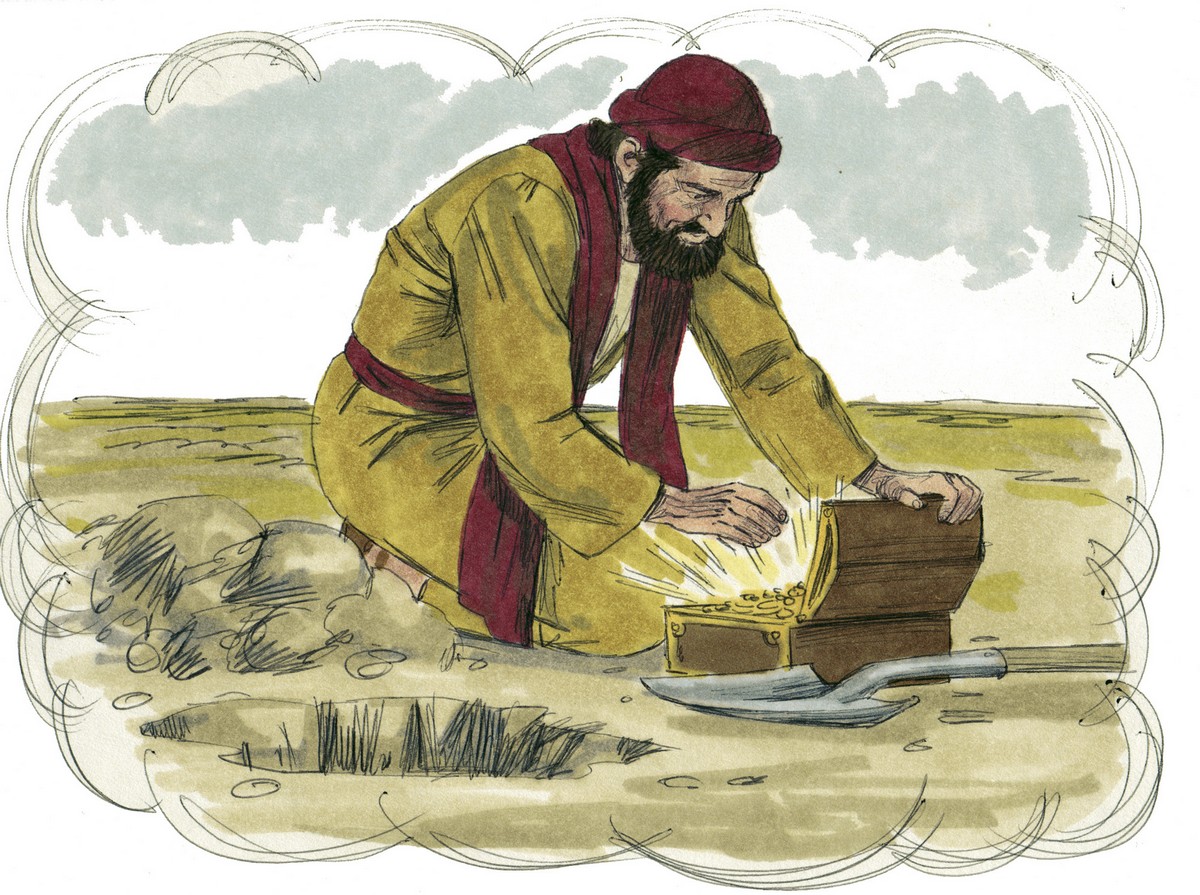
Again, the kingdom of Heaven is like treasure hidden in a field, which a man found and hid; and for joy over it he goes and sells all that he has and buys that field. Again, the kingdom of Heaven is like a merchant seeking beautiful pearls, who, when he had found one pearl of great price, went and sold all that he had and bought it. (Matthew 13:44-46)

Giving All To Have It All

The worth or value of something is based on the one seeking the treasure. Some things are valuable because of their cost. An automobile like the Alfa Romeo 6C 2500 Competizione is worth $3.5 million. The rarity of an item such as a perfect pearl can become very valuable to collectors who are willing to pay any price to attain their prize.  Sometimes, the notability of a collection can make it a rare commodity many seek after. Autographed books by Martin Luther, Abraham Lincoln, or Albert Einstein will bring a considerable price at auction. Insignificant items can hold great worth because of their meaning to the heart of the one who holds them dear. Trinkets made by a child can have great value to their parents because of the sentimental worth. Value is primarily determined by a person’s willingness to expend whatever energies necessary to acquire the item.

Jesus taught the importance and worth of the only thing that is of value to man. In His series of parables of the kingdom, the Lord tells two stories about a man who finds a treasure in a field and a merchant who finds one pearl of great price. Both of these men are seeking the rare prize of a costly treasure. They know the worth of these treasures, and they are willing to expend themselves fully to find their reward. In the first story, a man finds a treasure of unknown value and he immediately sells all he has to buy the field where the treasure was found. Like the first man, a merchant finds the one pearl of great price and sells everything he has to buy the one pearl. Common in both stories is the decision of the men to sell everything they have to possess one thing.

It is a radical decision to return home, place the house up for sale, liquidate all the possessions in a sale, and walk away with nothing but the cash from the sell just so the man could buy a field or the merchant a single pearl. The neighbors would think these men insane. There is nothing that makes sense of what these men are doing. If someone asked the men why they were selling everything they had, the answer would astound the community. Why would anyone sell everything they have to buy a piece of land or to purchase one pearl? It makes no sense and lacks reason, but the men do exactly that. At the end of the day, one man owns a new field, and one man holds a pearl of great price.

The most valuable gift offered to man is the gospel of Jesus Christ. No kingdom is of such worth and power as the kingdom of Heaven. To possess the good news of salvation is to possess Heaven itself. Jesus came to bring light into a world of darkness. He died so that all men could live. His sacrifice was given so that no man would have to suffer the sting of sin. In death, Jesus conquered the grave, allowing men to face mortality with immortality. The guilt of sin was taken away by the gift of Jesus Christ. No prize and no treasure are worth so much as the kingdom of Heaven. The treasure is found in the field, and the pearl of great price cannot be attained without seeking. God is not willing that any man perish, but the heart of men must seek and long for the gift of salvation. The question for all men is what they are willing to pay to find that treasure or possess the pearl?

God does not expect His children to sell everything they have to find salvation. It is not about the monetary significance of the story but the two men’s willingness to give all to have it all. They emptied themselves of what the world values because it had no value. What mattered to these two men was the ultimate treasure – the kingdom of Heaven. If a man is unwilling to expend the energy to seek and find the greatest treasure or the pearl of great price, he will die empty-handed. The gospel does not come by photosynthesis or through natural laws of adaptation. It requires a heart that is willing to give all to have what will bring greater joy and happiness than this world can offer. Faith and works go hand in hand because one requires the other. No treasure will be found by those who are not seeking. The door will never open when no one knocks. To have the pearl of great price, you must pay a great price. Are you willing to give up everything you have for Jesus Christ? Remember – that is what Jesus did for you.

Posted in Uncategorized | Leave a comment

Be A Servant

For though I am free from all men, I have made myself a servant to all, that I might win the more. (1 Corinthians 9:19)

Be A Servant

Slavery has a negative connotation to it, and history is filled with the tragedy of human trafficking. For as long as the world has stood, bondage has been the lot of many of earth’s inhabitants and will continue to be so until the end of time. There will always be those who oppress and those who suffer under the hand of oppression. The Bible is filled with stories of slavery from the Hebrews in Egypt to provisions in the Law of Moses on the treatment of slaves. Jesus did not come to take human slavery away, and the early church never suggested slaves to rebel against their masters. Paul wrote a letter to a slaveholder named Philemon asking him to receive back a runaway slave named Onesimus. The epistles of Ephesians, Colossians, and 1 Peter admonish slaves to be obedient to their masters and for masters to give up threatening against others.

Many of the New Testament writers used the imagery of slavery in the gospel’s language, describing the relationship with God and the Christian. Paul, James, Peter, and Jude all refer to themselves as bondservants of God and the Lord Jesus Christ. The picture of slavery was a powerful message in the First Century, and the language had a profound meaning to the church. In his letter to Corinth, the apostle Paul says he made himself a servant to all. He had brought himself under the bondage of all as a slave would be to another. This bondage was voluntary, but it was slavery, nonetheless. He enslaved his life to the service of others. The heart of Paul was to serve the needs of others above his own life. This would become the moving force in Paul’s life as he was a bondservant of Jesus Christ first and then a slave to others.

The purpose of Paul becoming a slave to others was to win the hearts of other men. His attitude was to look out for the interest of others above his own wishes. He did not do this to receive any reward from other men. The example of Jesus becoming a bondservant was the example Paul sought to follow. Jesus became a servant of all men when He left Heaven and died for the sins of all men. Paul could do no less than his Lord to live his life in servitude of others. His life was focused on the sake of the gospel, and he would be a servant to all men to let the light of Christ shine in hearts darkened with sin. Paul was a servant of God.

It is hard for the modern Christian to relate to slavery in anything but a negative tone. One of the deceiver’s greatest tools is to fill the hearts of God’s people with pride. Personal slavery in the cause of Jesus Christ requires humility. This is a willingness to give up the pride of self for the good of others. To be a slave, a person must be willing to subject themselves to others. Earlier in his letter to the Corinthians, Paul suggested those who were taking one another to law should be ready to accept wrong for the sake of their brother. This required a servant’s heart to accept injustice so they could win the soul of the brother. A slave may have to accept wrong to show the power of doing right: Jesus did!

The church belongs to Jesus Christ, and men often forget that. They have the idea the church belongs to them, and they have the right and power to exercise their influence as they see fit. Often in the hearts of God’s children, there is a refusal to be humble and esteem others more than self. Pride exalts the heart to refuse the servant’s heart. There is nothing more needed in the body of Christ than more servants’ hearts willing to work with servant hands. The kingdom of God is made up of slaves who labor for the Divine landowner: God. When the attitude of heart turns on the idea of being a servant, the world will see the love of God in the family of God, and souls will be won to Christ. To be a Christian is to be a slave. Those unwilling to be slaves of men cannot be servants of Christ. Be a servant. Embrace slavery in Christ.

Posted in Uncategorized | Leave a comment

Baptism Is Not Essential To Salvation, But It Is Essential To Obedience

Now when they heard this, they were cut to the heart, and said to Peter and the rest of the apostles, “Men and brethren, what shall we do?” Then Peter said to them, “Repent, and let every one of you be baptized in the name of Jesus Christ for the remission of sins; and you shall receive the gift of the Holy Spirit. For the promise is to you and to your children, and to all who are afar off, as many as the Lord our God will call.” And with many other words he testified and exhorted them, saying, “Be saved from this perverse generation.” Then those who gladly received his word were baptized; and that day about three thousand souls were added to them. (Acts 2:37-41)

Baptism Is Not Essential To Salvation, But It Is Essential To Obedience

Fifty days after the death, burial, and resurrection of Jesus Christ, twelve men were assembled in a great hall in Jerusalem with thousands of devout Jews from every nation under heaven. It was an unremarkable day until suddenly, a sound from heaven, like the roaring of a mighty windstorm, filled the house where they were sitting. The men began to speak in foreign languages telling the good news of a risen Christ. Peter stood up with the eleven and began to explain what the great event meant. He showed from the Old Testament prophecy of Joel the events of the day were in fulfillment of God’s word. He explained the man who had been crucified a little over a month before, called Jesus, was the Son of God, the Christ. Weaving King David’s prophecies into his sermon, Peter astonished the multitude with the clarity of Old Testament scripture to conclude that God has made this Jesus, whom they crucified, to be both Lord and Messiah!

As the crowd listened intently to Peter’s sermon, they felt compelled to respond to the news of the Messiah’s death. It seemed incredulous the Chosen One of God had been this Jesus of Nazareth, and they had rejected the Son of God. Peter’s words pierced their hearts, and they pleaded with the apostles to tell them what they could do to be saved from the wrath of God. Realizing that Jesus of Nazareth was the Christ, the men feared for their salvation. What could they do to be saved? Their pleas came from broken and contrite hearts burdened with the guilt of sin. They were not asking a question to Peter and the eleven; they were seeking the path of obedience to the grace of God as they stood condemned.

Peter does not hesitate to tell the men gathered what they must do to be saved. The apostle tells them to repent and let every one of them be baptized in the name of Jesus Christ for the remission of sins, and they would receive the gift of the Holy Spirit. Peter’s words are a promise to those gathered in Jerusalem and for all those who would walk on the face of the earth as long as time remains. Peter and the eleven continued to speak to the multitude to save themselves from a perverse generation. Those who gladly received the word of the apostles were baptized. Luke records on that day, three thousand souls were immersed for the remission of their sins as the Lord added them to the church as being saved.

If the story of the twelve apostles speaking in Jerusalem were reenacted today, there would be a very different response. Instead of Peter telling the crowd to repent and be baptized for the remission of their sins, the apostle would say to the crowd to accept Christ as their personal savior, and they would be saved. Three thousand souls would accept salvation by faith only and believe they are saved. When baptism was brought up, the answer would be that baptism is not essential to salvation, but it is essential to obedience. This is the position of the Baptist church (by and large) as the Baptist Church “utterly repudiates the dogma of ‘baptismal regeneration.'” The Baptist Church’s teaching is that while baptism is not essential for salvation, it is essential to obedience since Christ has commanded it. What is found in the Baptist church is common in almost all the Protestant churches that deny the belief in water immersion for salvation. They will argue it is essential for obedience but not for salvation.

To define the word “essential” is to suggest something is absolutely necessary and extremely important. Baptism is not necessary to be saved, although Peter told those gathered at Pentecost that is what they needed to do (essential) to be saved. A contradiction is found in how man’s wisdom seeks to change the simple, direct, and easily understood command of God for a man to find salvation. Every story of conversion in the New Testament church includes the act of baptism. Paul frequently explained the purpose and design of baptism. Peter would later write that baptism saves. And yet we live in a world where multitudes of devout people believe they are saved by faith only, and baptism is not essential for salvation.

There must be a great deal of confusion about how baptism is not essential for salvation, but it is essential for obedience? The scriptures teach that salvation depends on doing the will of the Father. Jesus would pose the question of how a man can love Him and not do His commandments. Baptism is essential for salvation because God said so. When men deny the purpose of baptism, they deny the word of God. Denying the word of God will not bring joy but eternal wrath.

Posted in Uncategorized | Leave a comment

The First Year

So He drove out the man; and He placed cherubim at the east of the garden of Eden, and a flaming sword which turned every way, to guard the way to the tree of life. Now Adam knew Eve his wife, and she conceived and bore Cain, and said, “I have acquired a man from the Lord.” (Genesis 3:24-4:1)

The First Year

At the beginning of time, God created a world that would provide every need of man and allow the creation to share in the glory of his Creator. The Garden of Eden was a beautiful home for Adam and Eve to walk in the cool of the day with the Lord God, enjoying a fellowship of divine companionship. Sin ruined the world when Adam and Eve disobeyed the command of God. They were strictly forbidden to eat of the tree of knowledge of good and evil, understanding the command yet rebelled against the will of the Lord. Knowing that men would eat of the tree of life and live forever, God cast Adam and Eve from the garden protecting its entrance with cherubim at the east of the garden and a flaming sword which turned every way, guarding the way to the tree of life. Paradise was lost. Adam and Eve were cast from the protection of Eden and their first home.

Adam and Eve stood outside of Eden, peering into the garden that was their home. They could not go back in. There were no other humans literally in the world. Two people populate the entire planet. Birds filled the sky, and the oceans teemed with life. Cattle and beast roamed across the face of the earth. There was no fear between man and animal as all of God’s creation lived together in harmony. It will not be until after the great flood in the days of Noah that man will become a meat-eater, and the dread of man will come upon the animals. For Adam and Eve, they looked upon an incredible world of beauty untouched by the hand of men.

The early world was not a moonscape of disorder and confusion. Civilization began with Adam and Eve as a home was built, and they learned how to make fires, build structures, garden, and tend crops and care for animals. It was that first year that must have been so amazing for Adam and Eve. They would not see another human until nine months after conception when Cain was born and then Abel. Adam lived to the age of 930 years and had sons and daughters. It was the first year where Adam and Eve were alone in the world. The only one they could rely on was God. He would be their sustainer, their strength, and their protector. God did not abandon them and leave them to their own devices. As the world began to fill with people for nearly a thousand years, Adam could look back to that first year when it was only he and his wife and God. It had to be an exceptional time when the world was clean of the wickedness that would quickly fill the earth. Adam and Eve and God.

There was never a year like the first year in the life of Adam and Eve. As men began to multiply, the serpent’s influence wove its poison into the hearts of all men. In the days of Noah, God would destroy the world. The first year of Adam and Eve is a reminder of how important it will be for men to spend time alone with God, free from the trappings of the world. Adam and Eve thrived on the word of God and trusted in His power and wisdom to see them through the first days, the first weeks, the first months, and the first year of life outside Eden. Life should always be viewed from the perspective of a world filled with seven billion people, but every soul stands alone before God. Each man and woman need God in a personal way. He needs to be the only focus of life, the only purpose, and the only desire. It is as if we have been cast from Eden, and we stand outside – alone. To whom shall we turn for our help? The Lord God Creator is the only one that will sustain us and carry us through. How would you fare in your first year?

Posted in Uncategorized | 1 Comment

Asking God To Forget

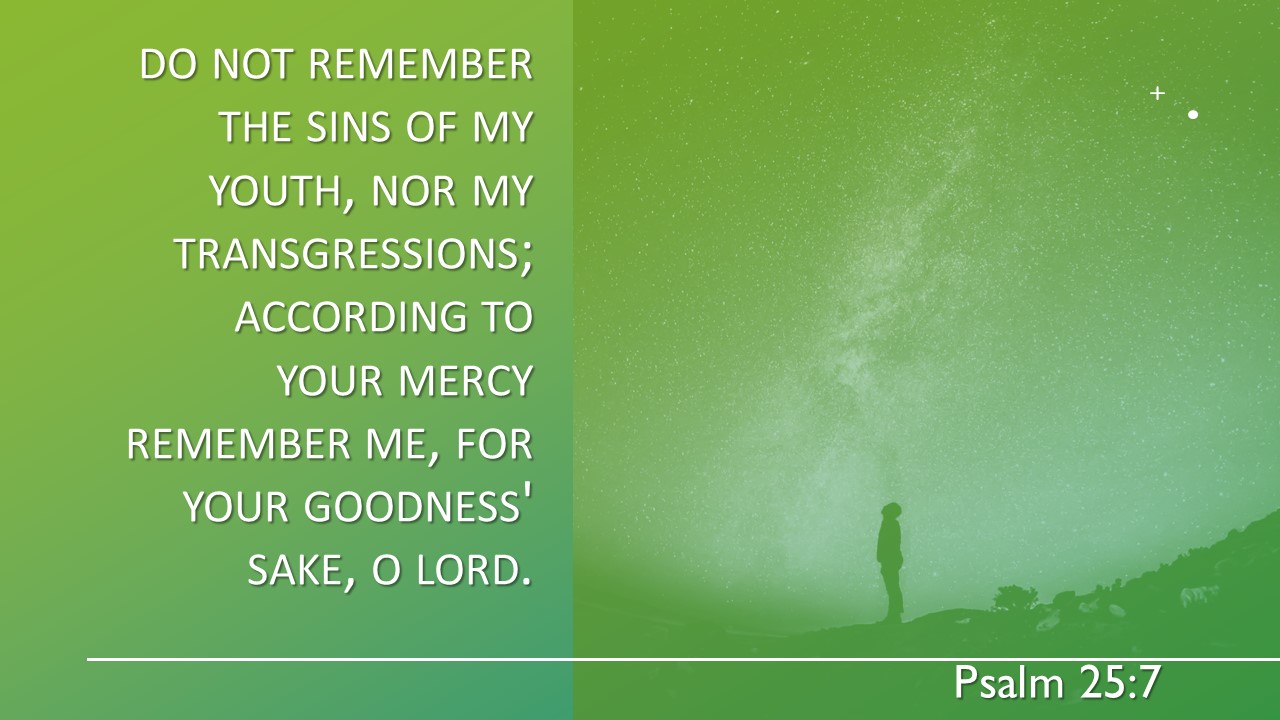
Remember, O Lord, Your tender mercies and Your lovingkindnesses, for they are from of old. Do not remember the sins of my youth, nor my transgressions; according to Your mercy remember me, for Your goodness’ sake, O Lord. (Psalm 25:6-7)

Asking God To Forget

The time of youth is a period of life filled with hope, innocence, and the ability to know everything. Consequences are not recognized as a part of life because the soul has not long suffered the seeds sown in youthful waste. Few grow to maturity that do not look back at the days of youthful splendor with some sense of regret and, for some, many feelings of guilt. The experiment of immaturity is tenuous at best. Lacking the mature knowledge of years, a young man or young woman will make decisions that seem the best but later are recognized as youthful folly. Lessons learned in the early days of life will frame the decisions made in older years.

David was a man like all men who needed the mercy and grace of the Lord to forget his youthful energies. He first begs for the tender mercies and lovingkindness of God’s love to envelop him as he faces the sins of his past. Seeking the removal from God’s mind the plans, thoughts, and wishes of his youth, David recognizes his failings in early life. He not only seeks the forgiveness of the Lord, but he begs for God to forget how the young shepherd boy conducted himself as a youth. The heart of God knows all that David has done as the Omniscient divine Lord who sees all things and knows all things. This knowledge frightens David. He would not want anyone to know of his follies from his younger days. Seeking the mercy of God, David pleads with the Lord to forget, put aside, remember no more and purge from His eternal memory the plans of youth.

The time of youth is a place in life where experiments are met with reality. In the heat of passion, choices are made that have life-long consequences. Life becomes an effort to lessen the regrets instead of living without them. Jesus Christ is the only youth that grew to maturity without regrets, guilts, and misgivings about early decisions. David was a man after God’s own heart, but first, he was a boy. Knowing the Lord’s mercy, David sought for the righteous character of God to forgive his youthful actions. There is joy in knowing that when maturity grows in the heart of a godly person, those things of the past can be forgotten and removed from the mind of God. The hardest person to forgive is self, but God’s love is so great He is willing to put aside youth’s mistakes.

Asking God to forget the past comes with the requirement the heart is willing to live more closely to the will of the Father in the future. Youth is a time of learning, and maturity is applying the lessons to better decisions. There is a time to grow up and remove the youthful fancies of a bygone period of folly to a solid experience of learning the ways of the Lord, walking in the paths of truth, and seeking the salvation of the Lord. God is willing to forget the sins of youth. His mercy is everlasting and His goodness eternal. This also means that grown people need to act their age. When youth is past, it is finished. Trying to rekindle a youthful experience is an exercise in failure. Grow up in Christ. Live for the Lord. Seek maturity.

Posted in Uncategorized | Leave a comment

Finding The Love And Peace Of God

Finally, brethren, farewell. Become complete. Be of good comfort, be of one mind, live in peace; and the God of love and peace will be with you. (2 Corinthians 13:11)

Finding The Love And Peace Of God

The church in Corinth was a challenging and turbulent group of saints. In the first letter Paul addressed to the Corinthian brethren, he dealt with division, carnality, rebellion, immorality, chaos among the worshipers, and a host of internal problems plaguing the church. Writing his second letter, he is encouraged by their faith and the willingness to address the issues that were tearing the group apart. Closing his letter, Paul seeks to instill in the hearts of the saints the love and peace of God with four admonitions. These encouraging words are essential to the union of troubled souls and a pattern for all saints to seek the grace of God.

Paul wanted the church at Corinth to be complete or perfected in the union of the body of Christ. Division had marred the work of spreading the gospel. The aim of the church must be the restoration of the peace and love of God. Disunion does not serve to the glory of God. Seeking the joy of walking together brings harmony to the local church and shines as a bright light of hope for those outside. Everyone must work toward the completeness of unity. If the church had followed this pattern earlier, there would not have been the Corinthian church’s severe problems. Growing to maturity is the goal of the church. No congregation should be satisfied with the status quo. Every day should be an effort to increase in love, knowledge, and evangelism. When a church remains the same year after year, it is not perfected to the glory of God. Exhortation number one: be perfected.

Division does not lend itself to a benevolent heart. One of Satan’s useful tools is to bring division among the people of God so they will spend their time fussing, arguing, disagreeing, and hating one another. The Holy Spirit admonishes the church to be of good comfort and for saints to seek the unity of helping others with a mature mind of love. To have comfort is to bring comfort and be a comforter. Corinth was divided with members against one another. What they needed was found in the hearts of the members caring for other members and showing that care. The servant’s heart seeks the welfare and good of others, not esteeming self greater than others. Being like-minded, having the same love and mind brings comfort to the family of God, helping the work grow in spirit and number. Corinth needed a lot of comfort, but that comfort must come from its members. Without the kindness of brotherly love, there could be no forgiveness, restoration, and reconciliation in the Lord. To be perfect required the second exhortation: be of good comfort.

When Paul heard from those of Chloe’s household of the contentions among the church of God at Corinth, his heart was saddened. Carnality had overwhelmed the attitudes of those who gave allegiance to Paul, Apollos, and Peter rather than stand united under the banner of Jesus Christ. It frustrated the apostle to see how childish the brethren were acting toward one another and the impact to the glory of God. The church must stand with one mind. Divided spirits will defeat the work. Doctrine must be established upon the word of God and not the opinions of men. Morality is not measured by what is accepted in society, like the man with his father’s wife. Worship is a specific pattern of authority demanded of God to be in accordance with the divine will of Jesus Christ, the church’s head. Corinth was not of one mind, and problems were rampant throughout the church. When a church is filled with strife, division, and unrest, carnal hearts are refusing to stand with God and His word alone. Exhortation number three: be of one mind.

Attitudes express the relationships of brethren, and division never unites but creates disharmony. Living in peace is seeking peace. Jesus taught His disciples the example of servitude when He washed twenty-four dirty feet belonging to His twelve apostles. The Lord washed the feet of Judas, knowing what he was about to do. The church will live in peace when it follows the example of Jesus. A servant’s heart is the motive of each member. Peace comes from God. Living in peace is perfected when the saints’ spirit unites with love and concern for one another. There were many evil attitudes among the brethren at Corinth. Paul wanted the contentions and strife to end. Then peace could rule in the church. If a church is filled with fighting, it is because the members have become combatants of error rather than contenders for the faith. The final appeal: live in peace.

When the church becomes complete, finds comfort with one another, seeks the unity of one mind, and lives in peace, the joy of God’s love and peace will overshadow the church. The world will see something special about the saints who show the glory of God in their daily lives and in the dedication of their worship of Jesus Christ. Souls will be brought to the truth. Heaven will rejoice. The angels will marvel. God will be pleased with His children. Jesus Christ will be exalted, and the Holy Spirit honored for the word. Finally, brethren – where are you!

Posted in Uncategorized | Leave a comment