
Increase Our Faith

increaseourfaithAnd the apostles said to the Lord, “Increase our faith.” So the Lord said, “If you have faith as a mustard seed, you can say to this mulberry tree, ‘Be pulled up by the roots and be planted in the sea,’ and it would obey you. And which of you, having a servant plowing or tending sheep, will say to him when he has come in from the field, ‘Come at once and sit down to eat’? But will he not rather say to him, ‘Prepare something for my supper, and gird yourself and serve me till I have eaten and drunk, and afterward you will eat and drink’? Does he thank that servant because he did the things that were commanded him? I think not. So likewise you, when you have done all those things which you are commanded, say, ‘We are unprofitable servants. We have done what was our duty to do.'” (Luke 17:5-10)

Increase Our Faith

One of the characteristics of the ministry of Jesus was His love for the common man and the outcast of society. He would often direct His teaching to the less noble of the world putting Him at odds with the Pharisees and scribes. On one occasion the tax collectors and sinners drew near to Him to hear him drawing the displeasure of Jewish leaders. They could not understand how a man who was a teacher could mingle with such people of low estate. Using parables to drive the point home, Jesus described the lost sheep, lost coin and lost son to show who really matters to God. In His parables, Jesus rebuked the hierarchy of Israel warning of offending the little ones and challenging the will of His Father. As the apostles listened, they must have been puzzled by the bold teaching of Jesus and implored the Lord to increase their faith. What is remarkable about His answer is that Jesus could have used a lot of lessons to show the apostles how to increase their faith but He shared an unexpected virtue that all men must learn to please God.

Faith can be as small as a mustard seed and accomplish great things. The apostles wanted more faith. Jesus reminds them faith is not measured by the greatness of the act or the pride of the man. Having a faith that believes in the power of God will bring about great changes in the life of the disciple. The Lord shows that faith as small as a mustard seed – with the fervent belief in the mercy of God – can pull up a mulberry tree from its roots and be planted in another place. The lesson from Jesus is not that He wanted His disciples to be arborist. Faith can do great things if we allow its power to work in us. The apostles were astonished at the teaching of Jesus as He answered the Pharisees and scribes. The Lord was not suggesting an impossible task to love the one sheep or one coin. A son left his father and wasted his life on prodigal living but found forgiveness in a loving father. Devotion to God requires a spirit that serves only one master living by the law of God. Eternity depends on making the right choice.

The challenge of faith is knowing that for all we do, nothing will remove the humble realization that we are unprofitable servants. When the apostles asked Jesus for more faith, they did not expect to learn that great faith comes from the heart of a servant. A man works in the heat of the day plowing or tending sheep. It is exhausting work and labor intensive. Completing the task of a long day’s work, the servant enters the home knowing his labor is far from over. He would wish the master would exhort him to sit and rest but he knows as a servant, he must now serve the master. The servant girds himself and begins the work of preparing a meal so his master can eat. It is not until the master finishes eating the servant is allowed to serve himself. Is the servant commended because he did something great? Jesus says that faith is knowing that in all things God is glorified because He is the master and we serve to His glory.

Faith requires humility and humility comes from faith. When all is said and done, we remain unprofitable servants. Pride enters the heart of man when he thinks he deserves to sit at the master’s table. The distinction of the servant and master was very clear in the day of Jesus. It remains the same today. Faith comes from the heart that knows how great the sacrifice of Jesus was on the cross and how there is nothing in this world that we can do to repay such a gift. True faith comes from a heart humbled by the love of God and the desire to serve Him as servants for His glory. Learning to increase faith comes from removing the pride of the heart so God will lift up the spirit to His throne. Thank you God for making me an unprofitable servant. To Your glory we serve and to Your majesty we extol the riches of Your grace.

There is no true holiness without humility. (Thomas Fuller, Gnomologia, 1732)

Posted in Uncategorized | Leave a comment

The Only Words That Will Matter

matthew2521His lord said to him, “Well done, good and faithful servant; you were faithful over a few things, I will make you ruler over many things. Enter into the joy of your lord.” (Matthew 25:21)

The Only Words That Will Matter

Many words mean a lot to us but nothing will compare to hearing our Father say, “Well done” and “Enter in.” Life is full of struggles and warring against the devil is a constant barrage of temptation. The flesh is consumed with pain, suffering and tears. Joy fills the heart knowing that life is not about the here and now but the blessing of eternity with God. A day of judgment is coming for all men. What we hear on that day is the only thing about life that is going to matter. Forgotten are the worries of work in its frantic rush of daily labor. Riches will fade from memory because they are no more. Temptation is gone because the flesh is destroyed. In a world of never ending existence, most men will find the horror of destruction. For the child of God, they will rejoice in the blessed words of the Savior that exclaims, “Well done.” These words will acknowledge the assurance of an eternal home in the presence of the Father when He says, “Enter in.”

In the parable of the talents, Jesus gives hope that laboring in this life is not vain when we seek to do His will. We come to the Father in different ways. There are five talent, two talent and one talent people striving to do all they can with what they have. The point of the story is not to suggest one individual is better than the other. Rather, it shows the responsibility we all have before God to do our best with what we have. The reward of the five and two talents was the same and would have been for the one talent if he had not been fearful and hid his talent. Judgment day is not going to be a time to brag about our five talents over the one talent men. The Lord expects the same from all of His servants; whatever place they find themselves in the kingdom. When God says, “Well done” – He declares the joy of knowing our lives were spent in serving Him with all our might and trust. Saying that we have done well is the favor of God on those who diligently seek His will in their life.

Death brings the reality of God’s love and His wrath. The knowledge of eternal punishment will be on the hearts of most people because they did not believe in God. There will be no turning back and no opportunity to change the course of their eternal life. They will not hear the words of joy but will fearfully embrace the words, “Depart from me, you who practice lawlessness.” Those words will bring horror. For the child of God, the words “Enter in” will bring joy beyond comparison as they are ushered into the eternal kingdom of the Father. No two words will be of greater importance than knowing the Father invites us home with Him. He will wipe away our tears, take away our sorrow and remove all pain from our life. Entering into the pearly city of redemption will be something more glorious than we have ever seen before. Our praise will be eternal because we heard the words, “Well done” and “Enter in.” Thank you Father God for your love for me.

Eventually, many of us will meet for the first time, and in Christ we are always sure that Christians never meet for the last time. (Vance Havner; 1901-1986)

Posted in Uncategorized | Leave a comment

Going To War On A Rumor

ap1149It happened after this that the king of the people of Ammon died, and Hanun his son reigned in his place. Then David said, “I will show kindness to Hanun the son of Nahash, as his father showed kindness to me.” So David sent by the hand of his servants to comfort him concerning his father. And David’s servants came into the land of the people of Ammon. And the princes of the people of Ammon said to Hanun their lord, “Do you think that David really honors your father because he has sent comforters to you? Has David not rather sent his servants to you to search the city, to spy it out, and to overthrow it?” Therefore Hanun took David’s servants, shaved off half of their beards, cut off their garments in the middle, at their buttocks, and sent them away. When they told David, he sent to meet them, because the men were greatly ashamed. And the king said, “Wait at Jericho until your beards have grown, and then return.” When the people of Ammon saw that they had made themselves repulsive to David, the people of Ammon sent and hired the Syrians of Beth Rehob and the Syrians of Zoba, twenty thousand foot soldiers; and from the king of Maacah one thousand men, and from Ish-Tob twelve thousand men. (2 Samuel 10:1-6)
Going To War On A Rumor

Wars are fought for many reasons. Despots try to impose their tyranny on the populous taking land from others and establishing empires through death and destruction. Political intrigue fuels the fires of conflict, economic jealousy conquers weaker nations, and prejudice extinguishes the lives of millions. Nations have almost gone to war over swine, chariot races, and a severed ear. During the reign of David, king of Israel, more than forty thousand soldiers will die over mistrust of an act of kindness.

David was a compassionate man seeking peace wherever he could find it. The Ammonites were descendants of Lot, nephew to Abraham and had long been a thorn in the side of Israel. When the king of Ammon died, David sent emissaries to the son Hanun as a token of returned kindness for something his father had done for David. The scriptures do not reveal what kindness the king of Ammon did for David but the result was the king of Israel showing compassion for the family at the king’s death. When the envoys arrived into the land of Ammon, they were not received with a spirit of kindness but distrust. The princes of Ammon worried David was seeking a war with them and advised the king to shame the messengers of David. It seemed inconceivable the king of Israel would show such kindness.

The new king did a most disgraceful thing to the messengers. Albert Barnes notes: “Cutting off a person’s beard is regarded by the Arabs as an indignity equal to flogging and branding among ourselves. The loss of their long garments, so essential to Oriental dignity, was no less insulting than that of their beards.” Returning home, the men were ashamed of the treatment by the Ammonites. David’s rich character shone through this terrible ordeal. He met with his envoys privately and told to stay in Jericho until their beards grew back. What a contrast of how a man of God approaches a problem and the Ammonites who did not serve the true God. The people of Ammon realized what they had done and secured the Syrian army to help them fight against David. More than forty thousand soldiers would die in battle because the princes of the people of Ammon mistook the kind gesture of David as an act of war.

Jesus said what comes out of the mouth flows from the heart. Anger, prejudice, gossip and slander derive their poison from hearts that are filled with distrust and hatred. A simple act of compassion turned to war and thousands of lives were lost. Wars are fought on the battlefield but more often than not, they are fought in living rooms and church pews because of gossip. The insidious language of modern day Ammonites interpret actions by others as fuel to spread rumors, innuendos with serious character defamation and prejudice. And the greatest tragedy of all is it is done by members of the body of Christ. Tales pass from ear to ear – weaving untruths into the story making the rumor more tantalizing. Gossips share their dirty tales with eyes sparkling with the toxic mix of lies. Good names are marred. Sterling characters are tarnished. Satan smiles at the power of his word. Tale-bearers and gossips are an abomination to the Lord God.

The princes of Ammon did not trust a simple act of kindness. Their hearts were filled with distrust and through their treachery, brought about a war. There is no less impact in the lives of God’s people today who revel in the swill of gossip. Honest hearts seek for honest motives and see the glory of God in their words, their actions and their hearts. Wars have been fought over senseless reasons and churches today have been torn apart for less. Idle talkers do not edify but tear down. God knows what is said in secret and He hears loudly the quiet whispers of the heart. Seeking peace with one another begins with trust. That trust begins at the throne of God. And that is a great story.

There is something murderous in the conspiracy of gossips. (Henry Edward Manning, Pastime Papers, 1892)

Posted in Uncategorized | Leave a comment

Strangers In The House Of The Lord

faith-god-wallpaper_1920x1200Now in the fifth month, on the tenth day of the month (which was the nineteenth year of King Nebuchadnezzar king of Babylon), Nebuzaradan, the captain of the guard, who served the king of Babylon, came to Jerusalem. He burned the house of the Lord and the king’s house; all the houses of Jerusalem, that is, all the houses of the great, he burned with fire. And all the army of the Chaldeans who were with the captain of the guard broke down all the walls of Jerusalem all around. Then Nebuzaradan the captain of the guard carried away captive some of the poor people, the rest of the people who remained in the city, the defectors who had deserted to the king of Babylon, and the rest of the craftsmen. But Nebuzaradan the captain of the guard left some of the poor of the land as vinedressers and farmers. The bronze pillars that were in the house of the Lord, and the carts and the bronze Sea that were in the house of the Lord, the Chaldeans broke in pieces, and carried all their bronze to Babylon. They also took away the pots, the shovels, the trimmers, the bowls, the spoons, and all the bronze utensils with which the priests ministered. The basins, the firepans, the bowls, the pots, the lampstands, the spoons, and the cups, whatever was solid gold and whatever was solid silver, the captain of the guard took away. (Jeremiah 52:12-19)

Strangers In The House Of The Lord

The Temple of God in the city of Jerusalem was the House of the Lord. In this place, the people of Israel communed with God through worship and yearly sacrifices. It consisted of the most holy place where the Ark of the Covenant rested underneath the cherubim. The High Priest entered this place once a year for the atonement of the people. Other rooms in the temple were the holy place, porches, chambers, inner court and the great court. Standing on Moriah or Zion, the Temple was the centerpiece of the city of God gleaming as the citadel of God’s power, glory and majesty. Furniture inside the Temple consisted of the altar of incense, table of showbread, and the golden candlestick. In the inner court stood an immense basin of bronze called the Molten Sea resting on 12 bronze oxen. The Temple was filled with many different kinds of instruments, carts, tables and everyday utensils used to carry out the daily work of the priests. It was in the Holy of Holies the Lord God communed with the people of Israel. No one dared enter the sacred halls of the Temple lest they die. This changed when a Babylonian king came against Jerusalem.

For many years, the prophets of God had warned the people to change their ways or the Lord would punish them. The plague that would cover the land was not just the brutality of a subjugator upon the nation but the realization that an uncircumcised foe would tread upon the sacred city and desecrate the Temple of the Lord. The destruction of Jerusalem by Nebuchadnezzar was not just a military victory for the Babylonians. It symbolized the wrath of God upon His own people for their rejection of His love, grace, mercy and His word. Israel had sunk deep into idolatry with no regard to the One who brought them out of Egypt. It seemed inconceivable a Gentile would destroy Jerusalem; much less, he would enter the Holy of Holies and take away the Ark of the Covenant and the sacred items of the Temple. It come to pass during the days of Nebuchadnezzar. How could this happen and what lessons are there in the plundering of Jerusalem and the Temple?

As long as the people were in covenant with the Lord, He would abide with them and be their God. The communion of the Father and the people was bound by the pledge that when the people trusted in the power of God, He would bless them by His presence. When the king of Babylon came to Jerusalem, the people had long forgotten their covenant with the Lord. It would be horrifying to watch the Babylonian army push their way into the city and enter the Temple with no consequence. Ransacking the House of God was a clear statement to the nation of Israel of how far they had fallen. Nebuzaradan, captain of the guard for Nebuchadnezzar, took away all the items of the Temple because God allowed it. Warned by the prophets, the fulfillment of the Lord’s judgment was complete. It would be seventy years before a restoration began.

The plundering of the Temple is a lesson for the child of God. Jesus spoke of the heart of man as the dwelling place of the Father. Filling our hearts with the word of God through study, prayer and sharing the gospel with others binds our life with the presence of the Almighty. Surrounded by the glory of the Father, Satan is unable to come in and conquer our souls. The child of God has the power to cause the great adversary to flee. Protecting the heart from the wiles of the devil secures the protection of the Son of God. Like the temple of old, the heart of a Christian is a place of worship. Daily sacrifice becomes a sweet aroma to the Lord, as He smells the incense of our hearts in praise to His name. Trouble comes when we turn our hearts away from the worship of God to the idols of the world.

God cannot dwell where sin abounds. Children of God who fill their lives with the carnality of the world open the doors of the heart to the conquering power of Satan. Vacating the spirit from the word of God allows the adversary to plunder every part of the life of a Christian ending in destruction. As the people watched the horrific destruction of their city and the Temple of the Lord, it was clear they had abandoned their only hope. When Satan gains access to the hearts of God’s people, the result is horrific and destructive but a glimmer of hope remains. As the prophets warned the people of the coming destruction, they also told of the days of restoration for the few. God did not abandon His people and allowed them to return after seventy years. The heart of a Christian can be ravaged by the power of Satan but in repentance can be restored to a place of honor and glory. God is always faithful. Jeremiah paints a sad picture of the people of God. He also exhorts the people to seek the salvation of God. Sin brings sadness to the lives of God’s people but grace is found in the eternal mercy of a God who desires to dwell in the purified hearts of His people. Do not let Satan enter your heart. If he has brought destruction, repent and cleanse your heart in the love of God.

There is in repentance this beautiful mystery – that we may fly fastest home on broken wing. (William L. Sullivan, Epigrams and Criticisms in Miniature, 1936)

Posted in Uncategorized | Leave a comment

Living Before God Without Blame

1thessalonians522Abstain from every form of evil. Now may the God of peace Himself sanctify you completely; and may your whole spirit, soul, and body be preserved blameless at the coming of our Lord Jesus Christ. He who calls you is faithful, who also will do it. (1 Thessalonians 5:22-24)

Living Before God Without Blame

The challenge of living the Christian life is the Christian life is a challenge. Serving the Lord brings the wrath of Satan against those who would align themselves with the Son of God. The devil works hard to keep his followers within his camp but he works harder when they desert to the covenant of God. He lays traps, allures with temptations and convinces the followers of Christ to challenge the word of God. One allurement Satan uses is to allow the Christian to have a belief system in God but to taint his life with the trappings of peripheral sins. When Aaron produced the golden calf, he declared the calf was the God who delivered them from Egypt. He mixed the belief in God with the acceptance of calf worship. Allowing an appearance of evil will lead to evil.

Christians are different from the world. The character of a child of God sets them apart from the things of the world. This is called sanctification. Something that is sanctified is set apart and Christians remove themselves from the influences of the world. Paul’s admonition comes from the desire to have God set us apart completely. The prayer of a Christian is asking the Lord to put us apart from the world. Second, this sanctification involves the spirit, soul and body of the child of God. Everything in life is governed by setting apart the motives, actions and example to the glory of God. As a result, the child of God is found without blame when the Lord returns. Temptation attacks the spirit of the Christian daily. Living blameless will lessen the influence of evil and secure a greater blessing from the Lord.

A simple formula to be found blameless before the Lord is to remove any form of evil that would detract. What is interesting about Paul’s admonition is that he does not suggest to abstain from evil (which is vital) but to abstain from the appearance of evil. To be found blameless before God, the Christian should not live life so near the bounds of evil that would tempt them or cause others to believe the acceptance of such. The scripture is very clear. Christians can try to get as close to evil without being influenced but the Holy Spirit plainly admonishes the need to stay away from what may be the form of evil.

God’s sanctification cannot be complete if we put ourselves in harm’s way. Jesus taught the disciples to pray that God would not lead them into temptation and all the while, the Christian is enjoying the form of evil. An example of this is social drinking. Children of God will defend the right to drink beer and wine as long as they do not get drunk. If we are to abstain from the form of evil, how can God sanctify us when we try to keep one foot in the world? If we drink socially, are we presenting ourselves blameless before God? What if we have a few too many beers or glasses of wine and the buzz sets in and we become intoxicated? Whose fault is that? Abstaining from every form of evil means to stay away from everything that can bring harm to our bodies and our soul. If we are to be preserved blameless at the coming of our Lord Jesus Christ we cannot be found standing with a beer can or glass of wine in our hand. Holding fast to what is good is to remove any trace of temptation from our lives.

Living blameless lives removes everything that can tempt our spirits to evil. The idea that I can be as close to the edge of a precipice without harm is foolish. Staying away from every form of evil will lessen the impact of evil on my life and my example. Flirting with danger usually gets a date. Sanctified people are those who will have nothing in their lives that will tempt them more than the challenges of life that persist on a daily basis. Put away evil and remove the appearance of evil.

A holy person is one who is sanctified by the presence and action of God within him. (Thomas Merton, Life and Holiness, 1963)

Posted in Uncategorized | Leave a comment

Life And Wisdom

189771_685876d5ed1745079df524f258ac5c57_largeThe end of a thing is better than its beginning; the patient in spirit is better than the proud in spirit. Do not hasten in your spirit to be angry, for anger rests in the bosom of fools. Do not say, “Why were the former days better than these?” For you do not inquire wisely concerning this. Wisdom is good with an inheritance, and profitable to those who see the sun. (Ecclesiastes 7:8-11)
Life And Wisdom

It is hard to see the value of life until we see the purpose of life. Youth is a time of vitality spirited by the endless hope of a new day with little consideration of the frailty of life. Old age brings wisdom with the conviction that life is short and there are more important values to living than the useless pursuits of trivial matters. A contrast of the beginning and the end. Wisdom is not found in the beginning of a thing but the end. The patient spirit finds greater peace than the impetuous heart. Contentment springs from the life lessons taught in pursuing the meaning of life from an eternal view. The emotions God has placed in man should not be recklessly allowed to control our lives but through the word of God find the power to exercise restraint. Holding back anger saves one from being shown a fool but it also teaches the trait of self-control. Impulsive living causes a man to live in the past more than the present pretending the former days were better. Believing the ‘good old days’ were so much better lacks contentment for the blessings God has given for the day. It is foolish to live in the past for the days of yesterday can never return or change. Living in the present is finding wisdom in what can be accomplished now.

Contentment is hard because there is a desire to have more things, more time living for the moment without the consequence of tomorrow looming overhead. The frantic rush of life is a blur of trivial pursuits that bring little fulfillment and satisfaction. Wisdom directs the heart to look at the end of a matter and consider. Patience allows a settled view of the unfolding nature of why God has placed us here. The purpose of man is not to consume his life with earthly things. It has always been the will of the Lord to bring man to Himself in the joys of eternal life. The end of life is better than the beginning because of the reward that waits. A patient heart is content to allow the course of life to bring an understanding into view as God sees the matters of life.

Looking back to days gone by with greater fondness than the present is a fool’s folly. There are many great memories of childhood and early life that are coated with the veneer they are better days than now. It is true childhood was enjoyable because of the innocence and younger days had a freshness that made everything sparkle. To imply these were better days denies the wisdom gained through a life of hardship and troubles that have molded the character into a better person. It is unwise to spend the present in the past because the past will never change the present. Life is about the time we have now. The forgiveness of God removes the mistakes of the past as repentance changes the present to live more holy before the Lord. The days of yesterday were not always as good as we believe but we can make today to be a time of renewal and commitment. The sun shines today – not yesterday and not tomorrow. Every man has the opportunity to change the world. Wisdom comes from learning the meaning of life is what we accomplish today.

Life is like a grain of wheat: to plant it is to recognize its value; to keep it is to destroy its value. The “planted” Christian counts life dear not unto himself but unto God. (Vance Havner; 1901-1986)

Posted in Uncategorized | Leave a comment

Fidel Castro And Me

archive fidel castro 291107And as it is appointed for men to die once, but after this the judgment. (Hebrews 9:27)

Fidel Castro And Me

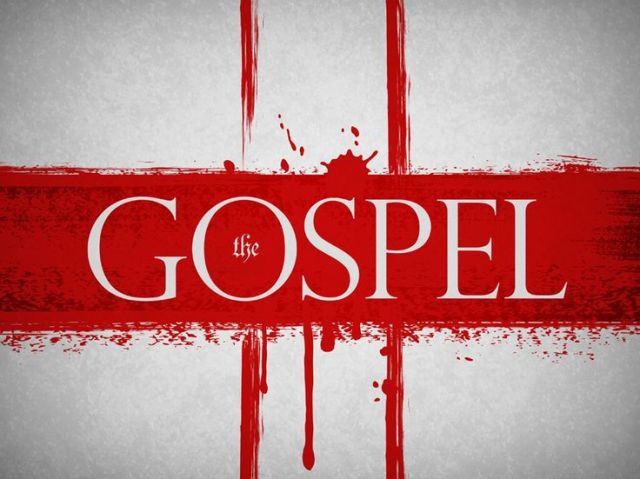
The leader of the Republic of Cuba died November 25 at the age of 90. Fidel Castro was a larger than life story for all those growing up in Florida during the late 50’s and early 60’s. His exploits on the island just 90 miles south of Florida brought a lot of fears and worries to the western hemisphere. Taking control of the nation in 1959, Castro led Cuba into a pro-communist state with fearful consequences. His tenure of rule was characterized by ruthless oppression over the nation, executing thousands who opposed him, and imprisoning tens of thousands. His policies created a repressive society ruled by secret police and death squads. He will be remembered in history as a tyrant who ruled his nation with an iron fist oppressing the people into submission. He will not be absolved of his legacy. What happened November 25 is what makes Fidel Castro exactly like every person on the face of the earth: he died.

The world is filled with despots who bring fear and death. In our time, people remember the days of Adolph Hitler, Hirohito, Joseph Stalin, Mao Zedong, Muammar Gaddafi, Saddam Hussein, and Osama bin Laden to name a few. These were leaders who brought terror to the world – for a time. Among a list of many others they share the same fate as all men with the reality that death waits for all. Fidel Castro falls in line with every man when on November 25 he crossed the river of death and became a believer in the Almighty Lord God. He is not standing on top of an armored tank spouting communist rhetoric or denouncing brutally those who believe in God. His life is now in the hands of the One who created him and he is bowing before something bigger than he dreamed could be. A man who was larger in life is now equalized in the darkness of death as one who is exactly like all those he oppressively ruled over.

It matters not what history says of Castro or whether he is remembered as a great leader or dictator. At this moment, the only thing on the mind of Fidel Alejandro Castro Ruz is God. And less we think there is a justice in this, let us remember we will all be standing before the judgment seat of God thinking about one thing. It is appointed for all men to die and we share the common place at the judgment seat of the Lord. Kings will stand next to peasants. Tyrants will share the same destruction as those they oppressed. Righteous and unrighteous people from all nations and every generation of Adam will assemble in the hall of judgment to receive the things done in the body. People die every day. Some die with notoriety, most die unnoticed in the annals of man. Death is the common denominator that reminds man we all come from Adam. What separates the few from the many is Jesus Christ. Do not rejoice in the death of another. His death will not matter in your death. What will be of utmost importance is your obedience to the will of God.

Men shun the thought of death as sad, but death will only be sad to those who have not thought of it. It must come sooner or later, and then he who has refused to seek the truth in life will be forced to face it in death. (Francois Fenelon, Spiritual Letters of, c. 1700)

Posted in Uncategorized | Leave a comment

God’s Plan For Making Disciples

1971912f5851fc56c0262b7f57c39d89

And Jesus came and spoke to them, saying, “All authority has been given to Me in heaven and on earth. Go therefore and make disciples of all the nations, baptizing them in the name of the Father and of the Son and of the Holy Spirit, teaching them to observe all things that I have commanded you; and lo, I am with you always, even to the end of the age.”(Matthew 28:18-20)

God’s Plan For Making Disciples

The central theme of man’s redemption came after the resurrection of Jesus from the grave and His charge to the eleven disciples. Beginning with the promise of a Seed in the Garden of Eden to the moment the Son of God stood with eleven men on a mountain in Galilee, the need for the salvation of all men was paramount. The Gentiles showed they could not be a law to themselves and the Jews proved man could not keep the written law. Salvation would only come through the grace of God’s Son and the blood of the innocent Savior. Fifty days after the death of Jesus, the world awakened to the glorious message of the gospel that Jesus was the resurrected King. A new day dawned in the hearts of men to see the mercy of a long held promise through Abraham to redeem man. The gospel age of the disciple of Christ had begun.

God’s plan for saving man is established on the authority of Jesus Christ. There is no other name under heaven that will save man. All the power of rule comes from what the Father gave the Son. Heaven and earth are under His mighty rule as King of Kings and Lord of Lords. Whatever Jesus declares is the word of God. As He stood on the mountain with the eleven, Jesus affirmed the plan of God for saving man. It begins with disciples seeking lost souls. There is nothing more imperative in the commission than the necessity of going forth with the gospel. Salt is the savor of the gospel of Christ but it will have no value if it remains in the hearts of God’s people. Going forth is the first step in saving man. The Lord needs those men and women who are willing to take up the mantle of truth and go somewhere with it. Making disciples requires going forth.

Making disciples is finding all men regardless of the color of their skin, economic circumstance, moral character and religious affiliation. There is no person in the world that does not need the good news of Jesus Christ. Phillip the evangelist taught a man from Ethiopia. Peter preached to Egyptians and Arabs. Paul shared the gospel with Greeks, Romans, runaway slaves, Kings and governors, and women by a riverside. Jesus set forth the pattern of teaching when He made disciples from the demon possessed, morally bankrupt, despised people of His time. The command of God is to teach all nations. Refusing to teach a man or woman because of their nationality is a sin. Adam and Eve are the grandparents of every human being made in the image of the Almighty God.

The plan of salvation is highlighted by the joy of baptism. Jesus commanded the eleven to make disciples, baptizing them in the name of the Father and of the Son and of the Holy Spirit. Religious groups deny the necessity of baptism as having any part of salvation rejecting the plain teaching of God. Satan has weaved his lies into the hearts of the religious world convincing them ‘almost to become a Christian’ but stopping short of the will of God. He knows that if he can convince people that salvation comes by faith alone or grace alone, he will have them in his grasp. Ironically, it is okay to believe in God, have faith in Him and confess His name as long as salvation is accepted before baptism. Jesus taught disciples come from baptism. Making a disciple of all the nations requires following the complete pattern of the will of God leaving nothing out. Without baptism there is no forgiveness of sins.

God’s final plan for saving man is the teaching that follows baptism. Too often babes in Christ are never allowed to grow to maturity. One of the most important parts of discipleship is found in the teaching that follows conversion. Jesus desired for the teaching to continue so the new disciple is grounded in observing all the commands of the Lord. Discipleship is a life of servitude. Becoming a Christian is the greatest joy but living the life of the disciple is the daily delight of learning more and more about the Father, Son and Holy Spirit. Spending time each day meditating on the word of God, growing in the knowledge of Christ, communing with the Holy Spirit; what praise and what glory. The comfort of knowing the Lord is always with the disciple fills the heart with security, love and contentment. He will never leave the disciple. God’s plan for making a disciple is complete. Heaven awaits.

For the greatest and most regal work of God is the salvation of humanity. (Clement of Alexandria, Paedagogus, c.220)

Posted in Uncategorized | Leave a comment

Why Do We Sin Against A Forgiving Father?

darkness-light-605x391

If we confess our sins, He is faithful and just to forgive us our sins and to cleanse us from all unrighteousness. (1 John 1:9)

Why Do We Sin Against A Forgiving Father?

The stain of sin is a dark reminder of how feeble we are and loathsome the act of rebelling against God. Sin is not just a mistake. It is a rejection of the grace of a loving God. He provides everything we need for happiness and we turn away in sin. Through His love, we are granted the gift of Jesus Christ without any merit on our part. He died on a cross paying a terrible price for one thing and one thing alone: my sin. Jesus was God but did not consider His place in Heaven important compared to the need of saving man from the penalty of sin. When I sin, I am reminded again the price Jesus paid and the reason He came to earth. The Father gave up His only begotten Son to redeem me from the pit of darkness. There is no answer apart from the mercy of a forgiving Father. With all the sacrifice and love on God’s part and the incredible willingness to take away our sins, we still fail Him.

Our Father is faithful. We are not. He is just. We are not. He is willing to cleanse us when we defile ourselves with sin – again. The depravity of sin reminds us how incredibly loving our forgiving Father expresses His love toward us. This is not a hall pass. Forgiveness comes from a heart broken by the realty that once again we have thumbed our noses in the face of God and followed our own path of lust and pride. The lust of the flesh, the lust of the eye and the pride of life have blinded our eyes to the glory of God. Sin comes when we do what we know we should not do – and yet we do it anyway. Satan attacks with a constant barrage in unceasing reminders that we can be our own gods. He viciously prods us with his fiery darts of lies and we fall victim to his wiles. How can we turn our backs on a God who loves us without measure and is willing to forgive our sins? Sin has an incredible way of reminding us why it cost the Son of God His life.

There are no words that man can say that will fully express the thanksgiving for the grace of God. If we confess our sins, our Father tells us He is faithful through all generations to forgive us. His justice will measure out mercy removing the sin from our lives. The ugly stain of sin will be cleansed from our lives and we can stand redeemed before the Father again. Why does this happen time and time again is the mystery of the Father. His love is so great it is without understanding. Every time we sin should remind us why we should not sin. Beyond the vale of this world, a promise of eternal life waits for the people of God. And the Father would promise this to people who will sin and beg forgiveness. Remarkable. How deep the Father’s love for me. How vast beyond all measure.

God’s love for us is a mystery and a joy, balanced by the mystery and sorrow of our coldness toward Him. (James J. Daly, The Road to Peace, 1936)

Posted in Uncategorized | Leave a comment

Trusting In Golden Gods

black-friday“Listen to Me, O house of Jacob, And all the remnant of the house of Israel, Who have been upheld by Me from birth, Who have been carried from the womb: Even to your old age, I am He, And even to gray hairs I will carry you! I have made, and I will bear; Even I will carry, and will deliver you. “To whom will you liken Me, and make Me equal And compare Me, that we should be alike? They lavish gold out of the bag, And weigh silver on the scales; They hire a goldsmith, and he makes it a god; They prostrate themselves, yes, they worship. They bear it on the shoulder, they carry it And set it in its place, and it stands; From its place it shall not move. Though one cries out to it, yet it cannot answer Nor save him out of his trouble. (Isaiah 46:3-7)

Trusting In Golden Gods

Israel was in trouble. Following the death of Solomon, son of David, the people of God had sunk headlong into worship of idols. Everything about idol worship was an abomination to the Lord. At Sinai, the people found firsthand the dangers of idol worship when Aaron allowed the people to worship the golden calf. The Law of Moses forbade pursuing the worship of foreign gods as there was only one God who had saved them and one God would save them. As the nation of Israel imploded with idol worship, God’s prophets repeatedly warned of the coming destruction. Isaiah was very clear in the judgment the Lord was bringing on those who followed the immorality of idol worship. The foundation of God’s hatred for idols was two-fold. Only he had delivered the people and idols were dumb on many levels.

The Lord God is the one who had preserved the nation from its birth. Israel was born from the will of God as he and he alone brought the Hebrews out of Egyptian bondage. The descendants of Abraham had languished in Egyptian captivity four hundred years with no hope of rescue. Oppressed brutally by Pharaoh, the people cried out to the Lord and he delivered them. They were saved by his grace. The nation could not brag about their deliverance by their own hand. As the nation grew and prospered, God was the cause of their blessings. As the nation aged, the Lord still protected them and blessed them. His power was able to continue to make them a great nation but they rejected Him for the idols of gold and silver.

Idol worship is a fool’s deception. Idols come from the hand of men who weigh out silver and gold, fashion in fire a totem to represent them and prostrate themselves before it. It does not move on its own so the worshipper must carry it on his shoulder to put it in place. When the idol is set in place, it does not move on its own. It cannot speak though the worshipper cry to it all day. If catastrophe comes, it is man that saves the idol. Idol worship is the height of futility yet it is the most desired worship in the hearts of men. The power of idol worship is that it elevates man to being a god. He can do what he wants with impunity.  Fashioning an idol, man creates his own morality. Worshipping the Lord God demands man become a servant rather than a god. He refuses. Ironically, what he refuses today will be demanded on the day of judgment.

America is full of idols. Many civilizations bow down before idols of gold but idols come in different forms. The idols of our country are called prosperity. We love our stuff and want more of stuff to fill our barns with stuff. Gold and silver adorn our idols and as a nation, we bow down before its charms. It is carried from place to place though we cry to it – no answer is given. Man does not change from age to age. The appeal of idols has always plagued the spirit of man. It becomes a war between the things of this world and the honor due the Lord God. Forgotten in the pursuit of stuff are the blessings only the Lord God can bring. Having a thankful heart is remembering that life does not consist of the things we have. Happiness comes from knowing there is no other like the Lord God. He will uphold us, carry us and deliver us. Even on Black Friday.

Posted in Uncategorized | Leave a comment