Greed Got Gehazi

greed money

But Gehazi, the servant of Elisha the man of God, said, “Look, my master has spared Naaman this Syrian, while not receiving from his hands what he brought; but as the Lord lives, I will run after him and take something from him.” (2 Kings 5:20)

Greed Got Gehazi

Naaman, commander of the Syrian army, was a great and honorable man during the days of Elisha, a prophet of the Lord. During one of Naaman’s raids into Israel, they captured a maiden girl who believed in the power of God to heal any manner of disease. She was brought into the house of Naaman to serve his wife and the little girl saw that Naaman suffered from leprosy. There was no cure for this dreaded disease and a slow painful death was the only future Naaman had. Through her compassion for her master, she told her mistress about the prophet in Israel who would be able to heal the leprosy. Naaman went down to the house of Elisha the prophet and waited for instructions on how to be healed. To his amazement, the man of God did not come out of the house but sent a servant to tell him to dip seven times in the river Jordan and he would be cleaned. Furious the commander went away angered to be treated with such contempt. At the final pleading of his servants, Naaman obeyed the voice of the prophet and dipped seven times in the Jordan. His flesh was restored like the flesh of a little child and he was clean. Filled with overwhelming joy, he returns to the house of Elisha to impart the gifts he had brought with him to reward the man who told him how to be clean. The prophet refused the gifts and Naaman departed from him a short distance.

Before coming to Israel, the commander had put together a gift to be given to the man who healed him in the form of ten talents of silver, six thousand shekels of gold and ten changes of clothing. This was a king’s ransom that any man would be tempted to have. Elisha had no interest in the silver, gold or clothing. His work was to glorify the Lord and give honor to His power and not any wisdom on the part of a prophet. When Elisha refused the gifts, his servant Gehazi was beside himself. When Naaman came to their door, the servant noticed the silver and gold and became excited they were going to be rich from this Syrian lord. To his dismay, his master refused all the gifts. When Naaman left just a short distance away, Gehazi determined to get some of the gifts that were brought; if not for Elisha at least for himself. He overtakes Naaman and lies by telling him Elisha changed his mind and two young men of the sons of the prophets have come and they could use some of the silver and changes of clothes. Naaman insisted Elisha receive two talents of silver with two changes of garments to be carried by two of his own servants. Gladly Gehazi accepted the gifts and returned home. When he came to the citadel he dismissed the servants and hid the treasure in his own home before returning to Elisha. Standing before the prophet, Elisha asks his servant where he had been. Gehazi said he had been no place. The prophet knew what had happened and pronounced the cure of leprosy to fall on Gehazi and his skin became as white as snow.

Greed is a poison that fills the mind with the empty treasures of a passing world. Life was hard in the days of Elisha but everything the servant needed was provided. Living with Elisha would have been a joy to be around a powerful man of God who had received the mantle of Elijah to do the work of the Lord. Elisha had done many miracles from turning bad water to good, supplying water to the land, defeating the Moabites, taking care of a certain woman of the wives of the sons of the prophets and raising the son of the Shunammite woman among other miracles. Gehazi would have known of the great power of Elisha but greed became a powerful demon for him. What good would the silver do him as a leper? He had everything he needed but he loved the treasures of the world more than the treasures of truth and righteousness. The knowledge of God is not limited to the space of time. There is nothing that man does the Lord is not aware. All things are naked and open before the eyes of the Lord. Seeking after the riches of the world is useless, vain, and empty and will only bring the misery of a heart filled with greed. Happiness does not come from silver, gold and changes of clothes. Gehazi should have listened more closely to the voice of Elisha and he would not have gone after Naaman’s treasure. The nature of sin is the folly of the moment. There is a belief that if sin can be enjoyed just for a time it will bring lasting happiness. It never does and never will. The heart that trusts in the Lord will enjoy life here and the blessings of the riches of eternity to come. Greed got Gehazi.


Posted in Uncategorized | Leave a comment

He Will Never Leave Us

hebrews-13-5

Let your conduct be without covetousness; be content with such things as you have. For He Himself has said, “I will never leave you nor forsake you.” So we may boldly say: “The Lord is my helper; I will not fear. What can man do to me?” (Hebrews 13:5-6)

He Will Never Leave Us

Wilson Adams uses this illustration in his book, “Where Is God When I Hurt?” An older couple is driving along when the wife spots a newly married couple in the vehicle ahead. She exclaims, “Look at them, Harold! Would you just look at them?” She continues, “She’s all scrunched up next to him with her head on his shoulder…” She sighs, “Harold, do you remember when we used to do that? I would sit next to you with my head on your shoulder…” She sighs again. “Look at us, Harold. Just look at us! You’re way over there under the steering wheel and I’m way over here next to the door. What happened to us, Harold?” She sighs even more. Harold was a man of few words. Ten miles later he cleared his throat and said, “I never moved.” Covetousness is an uncommon word in our daily language but it is the most common malady in our lives. The problem with covetousness is that it captures the mind and hearts of God’s people to focus more upon the blessings of material wealth than the blessings of spiritual gain. Covetousness is materialism, greed, avariciousness and a longing to obtain relics of futility to hoard for no purpose but to protect, guard, insure and leave behind when we die. Trusting in riches takes the heart away from the Lord believing that security will only be found when self is its own god that will deliver itself in time of need.

Contentment is the antithesis of covetousness. Learning to be content begins with trusting in the grace of God rather than the empty shell of material gain. Man likes to be in control. He drives himself to gain all this stuff on earth as a security blanket but never finds warmth. His life is cold and miserable as he surrounds himself with the trinkets of a material world and at the end of living faces a wasted existence. Trusting in God will bless a man in this life and the life to come because he knows no matter what happens in life – good or bad – God is always there. He does not lie and has kept every promise He has made. Included in those promises is what the Lord promised His people from time beginning that He would never leave them – and He never did. The history of man is that he always leaves God and blames the Lord for all the misery that man has. The psalmist wrote that the Lord is good and is a helper to those who fear Him. Reigning the heart in with the will of God brings joy and happiness when life is not about the here and now and all that stuff we accumulate and hoard. Man leaves the protection of God and suffers because of it.

Learning to be content takes a heart that seeks first the kingdom of God and His righteousness. The rule of the Lord must take precedent in every part of life including the pursuit of worldly gain. There is nothing sinful about riches but the riches of covetousness will darken the heart from God’s love. Without contentment the heart cannot see the blessings of God and enjoy the knowledge the Lord will care for His children. He always has and always will because He never moves from His promises. Drawing closer to God is the great need of men. Learning to trust in the grace of God will bring greater joy and satisfaction than anything man could ever imagine. He is our Helper because He made us and knows what we need. Learning to be content brings the comfort of the Lord. His promises are sure, right and true. Lean on the everlasting arms of the Lord God who cares for His saints that love and fear Him. The closer you get to God the happier you will be.

Posted in Uncategorized | 1 Comment

The Hard Lesson Of Trust

trust-god_71412

The Lord is good, a stronghold in the day of trouble; and He knows those who trust in Him. (Nahum 1:7)

The Hard Lesson Of Trust

It is easy to say we trust in God but to put that trust into action is the challenge. Trust means to have a confidence in and reliance upon another person to be fair, truthful, and honorable with an expectant hope in the future of good things. It also means we are willing to place our lives in the hands of another accepting they will look out for our welfare. Going into surgery we trust the medical staff to perform at their peak abilities so the procedure will be a success. Pilots are entrusted with flying the airplane with great care and expertise ensuring a safe journey. Eating in a restaurant is fraught with danger if the staff is not careful how they manage the food we consume. We trust they will do their best in making our meal pleasant. So many parts of our lives are filled with exercises in faith and trust in others to make certain we are not harmed or that we receive the highest level of care. Trusting God is another matter that often we have less faith in than the plumber or car repairman.

The greatest part of trust comes from experience. When we use professionals over a period of time we gain confidence in their abilities and are more willing to trust them. If a doctor has cared for the family for many years a bond of trust is established. Using a repairman on a constant basis ensures greater confidence when the larger jobs come. God has never left man without His testimony first to show there is all the reason in the world to trust Him. The children of Abraham stood at the shores of the Red Sea afraid they were to be slaughtered by the approaching Egyptian army. Moses assured them they would see the power of God that night and the people were delivered by God’s might dividing the sea allowing them to walk on dry land. There was no reason to fear because they had already learned to trust in the word of God. When the Lord brought the plagues on Egypt He punished the nation of Pharaoh but He also testified to the Hebrews that He had the power to protect them. What became death for one people was an example of God’s providential care for another. The plagues did not impact the Hebrews because the Lord surrounded them with His care. At the final plague the land of Egypt raised its voice in sorrow as they found their firstborns dead. None of the Hebrews had died because they trusted in the Lord and followed His word. Standing before the Red Sea there was no reason to doubt the power of God because He had already shown them His power. This would be repeated often over the next forty years.

Nahum declares the trust in the Lord is good because the people had seen the power of God throughout their history. He was a stronghold in the day of trouble as many days of trouble had overwhelmed the nation of Israel but God always delivered the righteous. Israel had history with God and had no reason not to trust Him. The Lord knows those who trust in Him because they have seen God working in their lives and believe He will continue to care for them. Life is challenging because we stand on a steep cliff unsure what to do and having no means to save ourselves. The Lord comes along and tells us to jump and He will catch us – we hesitate. It is one thing to say we trust in Him but to jump off a cliff into the air with the expectation of Him catching us is hard to accept. Trust knows He has carried us through many years and firmly believes that no matter what place we find ourselves the Lord will care for us. We trust in Him because we have history with Him. God has cared for us in every way before and He will care for us now. The days are dark but like the God when the days are bright and cheery our Father will care for us in the storms. He is the God of all days – good days and bad days. Trust knows He will not allow me to be overwhelmed with anything I cannot handle if only I put my confidence in Him. He is always faithful – that is an absolute. He has never failed and never will fail. We can let go of the rope and let His grace carry our lives in the palm of His mighty hand. Thank you God for being the great I AM and a Father we can trust to care for HIS CHILDREN. How mighty is your love.

Posted in Uncategorized | Leave a comment

Me, His And Mine Or He

Obedience slide.001

Teach me, O Lord, the way of Your statutes, and I shall keep it to the end. Give me understanding, and I shall keep Your law; indeed, I shall observe it with my whole heart. Make me walk in the path of Your commandments, for I delight in it. Incline my heart to Your testimonies, and not to covetousness. Turn away my eyes from looking at worthless things, and revive me in Your way. Establish Your word to Your servant, who is devoted to fearing You. Turn away my reproach which I dread, for Your judgments are good. Behold, I long for Your precepts; revive me in Your righteousness. (Psalm 119:33-40)

Me, His And Mine Or He

The psalmist who created the 119th psalm was a master of poetic style in the language of holy scrip. This is seen clearly in his declaration of the power of God’s word as contained in the fifth letter of the Hebrew alphabet = He. There are three parts to his melody of stanzas that show the need of the individual (Me) to be impacted by the will of God (Your) upon the person of the recipient (Mine) of God’s word. Throughout this small series of praises, the author brings the focus upon the need of the person of God. He begs God:

  • teach me,
  • give me,
  • make me,
  • incline me,
  • revive me,
  • turn me,
  • revive me and
  • establish me upon
    • Your statutes,
    • Your law,
    • Your commandments,
    • Your testimonies,
    • Your way,
    • Your word,
    • Your judgments,
    • Your precepts and
    • Your righteousness.

All of this will have an impact upon my whole heart, my heart, my eyes and my reproach. The conclusion is the need of man is how much HE (God) is in our lives. There is no pride in this psalm. Everything about this small portion of the psalm is the humble need and realization that man needs God for everything. There is no happiness apart from the word of God. Without the message of the Lord filling the heart, mind and soul there will be no joy or fulfillment. Surrendering the complete person to the commandments of God will bring about true peace.

Eight times there is a plea for personal needs to be met. True worship comes from a heart that recognizes the inferiority of man compared to the greatness of God and that anything man needs must come from the Lord. He begs God to teach him because he does not know; give him as he is in need; make him depend on the guidance of a greater power; incline him to give the heart a ready mind; revive him expresses the nourishment of the word; establish him with God’s word; turn him knowing the danger without grace; and finally to revive him in the righteousness of God. All of this is based upon the word of God and not the wisdom of man. Salvation has come to man through grace but without obedience there can be no salvation. Grace apart from works is dead as faith absent of works is lifeless. The heart must obey the statutes and laws of God because the Lord is a lawgiver. There are commandments to follow, testimonies to understand and the way of truth is a single highway. The word of God is the only word to live by because all of the judgments of the Creator are established in His word. Looking into the precepts of God is learning the teachings of the Lord so that man can know what is right and what is wrong. All of this will lead to righteousness.

There are four areas the psalmist will devote the word of God to. He speaks of observing the word of God with his whole heart. He is not going to give partial worship to his Lord. His devotion is complete and lacking nothing. The statutes and commandments of God will fill all his heart in the manner of conduct, speech, attitude, outlook and every facet of his life. He desires for God to incline his heart to the testimonies of righteousness and not to covetousness. There is always a present danger of loving the world more than God but the psalmist begs for his heart to always be focused on the beauty of the way of truth. He knows the eyes may look upon worthless things and seek to cause the heart to stray. His devotion will come from a firm determination to be revived in the word of God so that he may clearly see the putridity of worthless things and the glory of righteousness. Finally the humble heart knows the frailty of man’s reproach before such a great God. He dreads the stain of sin in his life begging the Lord to turn away from his failures. Following the judgments of God brings joy. Longing for the precepts of truth will bring revival in the righteous heart that seeks the word and grows thereby. That is the ‘Me,’ the ‘His’ and the ‘Mine’ that will bring the soul to the one ‘He’ that can give life. Praise God for His word.

Posted in Uncategorized | Leave a comment

What Jesus Came To Do

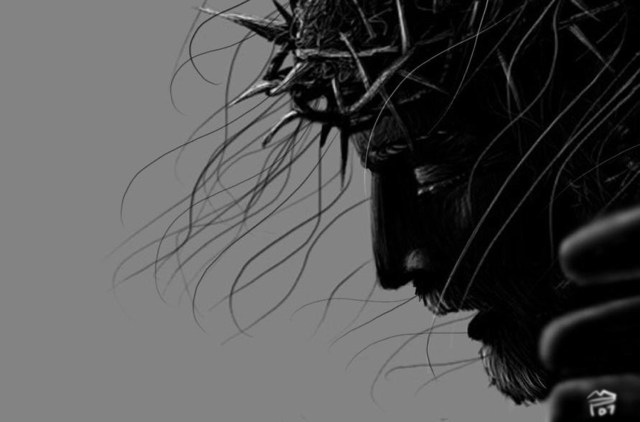
crucified_jesus__the_face_by_devcager

For Christ has not entered the holy places made with hands, which are copies of the true, but into heaven itself, now to appear in the presence of God for us; not that He should offer Himself often, as the high priest enters the Most Holy Place every year with blood of another— He then would have had to suffer often since the foundation of the world; but now, once at the end of the ages, He has appeared to put away sin by the sacrifice of Himself. And as it is appointed for men to die once, but after this the judgment, so Christ was offered once to bear the sins of many. To those who eagerly wait for Him He will appear a second time, apart from sin, for salvation. (Hebrews 9:24-28)

What Jesus Came To Do

The plight of man was desperate and there was no hope of relief. When Satan deceived Eve and man was expelled from the garden, sin covered the world in a dark blanket of despair destroying millions of souls to the pits of darkness. The righteous were few but the remnant of faithful remained to shine as lights in a world gone black. Through the Law of Moses a sliver of promise was preserved to reveal the greatest gift man would know. His name was Jesus and He came to save His people from their sins. The man from Nazareth would spend less than three years establishing the kingdom of His Father and then die on a cross accused of heinous crimes. His death would be celebrated by the religious leaders of His own nation believing they had snuffed out a man who threatened their world of hypocrisy. On the first day of the week following His death the world changed forever. Jesus Christ came from the pit of Hades and rose to dwell with His Father with all authority and power reigning at His right hand. Nothing would be the same. Kingdoms would rise and fall but the Christ still reigns. Philosophies of men flow through the channels of history failing to answer the needs of man while the word of God endures forever giving men the light of hope. A world gone mad with the pleasures of the flesh denies the power of godliness established in the truth of the teaching of Jesus Christ. There is hope, peace, safety and light because of Jesus Christ.

When Jesus came He entered the world with a single purpose in mind. He brought hope to man because He was coming to put away sin. The dominion of sin had burdened the world since the garden with its damning influence of corrupt minds, lascivious spirits and evil purposes. Nothing man could do would wipe the stain of sin away. Obedience to the will of God preserved the nature of man until a greater sacrifice would come. The Gentiles proved they could not be saved apart from Christ and the Jews illustrated throughout their history they could not be saved without the better High Priest entering the holy places and redeeming all men. Jesus came to enter the veil and become the sacrificial lamb offered up once for the sins of all men. He appeared to put away sin by the sacrifice of Himself. This could not be done with the blood of bulls, goats, sheep or oxen. No animal could take the horrible stench of sin away. Not even the sacrifice of a man would suffice to put away sin. Enoch was such a righteous man he was not for God took him. His life was not enough to take away sin. Noah found grace in the eyes of the Lord, Abraham was called a friend of God, Moses saw the passing glory of God and David was a man after God’s own heart – but none of these men could die for the sins of the world. Jesus left the glory of God to come down to lowly earth and give Himself as a sacrifice for sin so that all men could have the hope of salvation.

The cost of redemption defined the price to be paid. Redemption was so high nothing man could do was worthy to satisfy the debt. Jesus knew that ransom would come from His blood shed on a piece of wood outside the city of Jerusalem. He knew His purpose was to die and He knew the manner of His death. And He still came to earth. He offered Himself to bear the sins of many while He bore none. Incredulous was the scene at Golgotha when the only man who had never committed a sin in His life was being murdered by those who were filled with sin. More astounding was the cry of the Son of God when He begged His Father to forgive those who railed against Him. Jesus came to die. It would only take one death and yet upon that one death eternity was clinging. The Son of God gave His life so that all men could live. Two thousand years ago the world changed. There is coming a day when the world will not change again – it will end. On that day Jesus will return, apart from sin; not coming to bring the message of salvation but to declare judgment. He will appear a second time for salvation to take home those who have believed He is the Son of God and who have obeyed the word of God. There will be many who did not believe and who did not obey the will of the Lord. For the saved it will be a time of joy and eagerly waiting for the revelation of God will be fulfilled in the promised rest in the bosom of the Father. Sadly the majority of people in the world Jesus came to save will be lost in the darkness of eternal death. The blood of Jesus was ready to save them but they did not believe. Jesus is coming again. Only one more time will He come and that is the final time. His return will not be to offer Himself as a ransom but to establish His rule as Judge of all men.

Posted in Uncategorized | Leave a comment

The Girl From The Land Of Israel

believingtheimpossible

Now Naaman, commander of the army of the king of Syria, was a great and honorable man in the eyes of his master, because by him the Lord had given victory to Syria. He was also a mighty man of valor, but a leper. And the Syrians had gone out on raids, and had brought back captive a young girl from the land of Israel. She waited on Naaman’s wife. Then she said to her mistress, “If only my master were with the prophet who is in Samaria! For he would heal him of his leprosy.” And Naaman went in and told his master, saying, “Thus and thus said the girl who is from the land of Israel.” (2 Kings 5:1-4)

The Girl From The Land Of Israel

One of the great heroes of the Bible is a little girl who remains unnamed and largely unknown. The story of Naaman is a remarkable telling of the power of God to cleanse a man from the dreaded disease of leprosy. It challenges the mind to see how that only through complete obedience will salvation be granted as Naaman argued with the command to dip seven times in the Jordan River. When he finally humbled himself to do exactly what was instructed by Elisha the prophet, he was cleansed of his leprosy. This entire story is based upon an earlier event that if had not happened there would be no telling of the story of Naaman. The Syrians often went on raids in neighboring Israel to take food stocks, livestock and often slaves. On one such raid a little maiden girl was captured and brought back as a slave. This would have been a devastating day for the little girl. Questions swirl about what happened to her family; were they killed, taken as slaves or was the girl taken by herself with her family never knowing what became of her? It is certain this was not what the little girl would have imagined her life would turn out to be. She found herself as a slave girl to the wife of the man responsible for her plight. Naaman was the commander of the army and now this little girl served in the house of the uncircumcised Gentile that brought sorrow to her life.

There are many scenarios that could happen in a story of a captive girl serving in the house of her enemy. She could resent him and blame God for her plight. Her faith in the promises of the Lord would have been challenged and like many would curse God and live bitter lives. It is tantalizing to know more about this maiden who appears on the pages of holy writ and just as suddenly disappears. There is much that is unknown about the little girl but there is a body of evidence that points to her incredible faith in the power of God. Leprosy was a horrible and debilitating disease. There was no cure. Death was certain and among the people of God was treated with isolation. It is remarkable that Naaman served as commander of the Syrian army and lived with leprosy. God was with him and brought a young maiden into Naaman’s life that would change him forever. She did not look upon Naaman as her enemy but as a man created in the image of God. Prejudice did not cause her hatred of him, anger would not govern her actions toward him and despair did not shadow her life to give up on God. Through her love for the Gentile army commander, the maiden sought the counsel of her mistress to tell her of the wonder working power of God through a prophet in Israel. “If only my master were with the prophet who is in Samaria,” she remarked. She believed if Naaman went to Elisha that he would be healed of his leprosy. Jesus would later remark there were many lepers in Israel during the time of Elisha but the only one cleansed was Naaman the Syrian. Through the grace of a little maiden who trusted in God, Naaman was healed of his leprosy.

Faith comes in many forms. Centuries ago it came as a little maiden in the house of a Syrian commander. She believed in the impossible. There were many lepers but none believed in the power of God like this little girl. Often young people exhibit more faith in the power of God than older folk because they have not been tainted with the years of distrust and hopelessness. Her spirit was bright and pure to believe that God could do the impossible. Suggesting Naaman could be cleansed of leprosy was unheard of. Her faith was not a marginal belief in the maybe’s of God but the realities of what faith will do when the heart believes in the possibilities of what seems impossible. There are many spiritual lepers who do not believe that God can change their lives. The greatest man that has ever lived is the one that can take away sin; no matter what that sin may be. Leprosy was an impossible disease to cure but it was taken away by the power of God. Sin is the most dreaded malady of man because it destroys the soul in hell but God is willing and just to remove the stain of sin if a man is willing. Sometimes it just takes a little girl believing in the power of God to move the heart to seek the one who can take away the mark of sin – Jesus Christ. If you knew a friend who had a terrible disease and you knew a man who could heal your friend of their disease – would you do everything in your power to help your friend find relief? Do you know someone who is suffering from the sickness of sin who needs relief? Be like the little maiden of Israel. Tell them about Jesus. He can wash away their sins when they come to Him and obey His word.

Posted in Uncategorized | Leave a comment

God’s View Of Motherhood

mothersday

And the Lord spoke to Moses, saying, “Speak to all the congregation of the children of Israel, and say to them: ‘You shall be holy, for I the Lord your God am holy. Every one of you shall revere his mother and his father, and keep My Sabbaths: I am the Lord your God.” (Leviticus 19:1-3)

God’s View Of Motherhood

The Law of Moses was an incredible revelation of the mind of God. It was given to the nation of Israel and served as a tutor to bring the people of Abraham to the Christ but is no longer in effect since there is a change in the priesthood and the abolition of the Law under Christ. Jew and Gentile alike must come to God through the blood of the Heavenly Lamb to find salvation. However the Bible contains the books of the Old Law for a purpose to reveal the character of God’s law and principles that govern His will for man. This is clear in the teaching of the Law regarding how children are to honor their parents. The Ten Commandments include a command that parents are to be honored. Other passages support the command showing consequences of dishonoring the father and mother. This is abundantly clear when the Lord speaks to Moses and sets forth His view of respecting the station of the father and the mother. All the congregation of the children of Israel needed to learn that God is holy. In the giving of the Ten Commandments the Lord establishes His authority by reminding the people that He was the one who brought them out of the land of Egypt and they must have no other gods before Him. He is not someone to trifle with. His holiness is firmly established upon the truth of His power, might, dominion and sovereignty. Nadab and Abihu (priestly sons of Aaron) were killed because they did not regard the Lord as holy and give glory to God. When God says that He is holy it is a declaration of His nature. Anything less is unacceptable.

Immediately following the admonition to regard the Lord as holy, Moses is told everyone shall revere his mother and his father. To revere someone is to respect, admire and hold in the highest regard. Motherhood is elevated to the level of respecting the role of the parent as established by God in creation. Under the Law of Moses if a child strikes their mother they were to be put to death. If they cursed their mother death was the penalty. When a child became stubborn and rebellious and after many admonitions of chastisement refused to obey their mother, the whole congregation would stone to death. God’s view of motherhood is clearly defined by the consequences of disobedience to the Law. He emphasizes the role of motherhood when He includes in words to Moses that everyone shall revere his mother and keep His Sabbaths. The penalties for disobedience are the same. In the book of Numbers a man is found picking up sticks on the Sabbath and the congregation stones him to death. Why? He disregarded the law of God concerning Sabbath. Revering the station of motherhood and keeping the Sabbath was the same view of God under the Law of Moses. The Lord God is holy, mothers are to be revered and the Sabbath kept holy because He was the Lord their God.

The Law of Moses has been abolished but the viewpoint of God towards mothers has not. Paul will reiterate the emphasis in his writings to honor motherhood because the fabric of society is built upon the respect given to mothers and fathers. God created the family to show His glory and when man chooses to ignore the role of the family they dishonor God. Adam and Eve were created to establish a pattern of a man and woman making a family to bring the holiness of the Creator to the world. It is a wonderful thing to honor mothers in the month of May but this reverence should be a daily reminder of the glory of God’s love and grace. Bound in the heart of a godly mother is the love for the truth of the holiness of the Lord. Children who dishonor their mothers by disrespecting them, cursing them and striking them will face a vengeful God. He is holy and mothers should be revered as holy for their character of godliness that seeks to mold the heart of the child into the image of the one and only Holy Father. Thank God for mothers who serve Him in love and sacrifice their lives to teach their families to put first the kingdom of God. The greatest gift a mother will give her children is the love for God and His word.

Posted in Uncategorized | Leave a comment

My Imitation

impact_imitate

Imitate me, just as I also imitate Christ. (1 Corinthians 11:1)

My Imitation

Charles Caleb (1780–1832) said, “Imitation is the sincerest form of flattery.” The quote has merit when one considers how one may admire another and desire to be like that person but Paul’s exhortation to the saints at Corinth is not simply a glib form of flattery but a manner of living. There are many people we would want to pattern our lives after because of character, achievements or personal traits. The challenge put forth by the Holy Spirit is far beyond the carnal reproductions of human wisdom. Imitating the personage of Jesus Christ is a life changing, soul challenging event of daily molding the character into the image of the Son of God. There is no flattery sought in this change. It has eternal consequences not only for the individual but for those who follow the example left by others. In the context Paul is wanting his brethren to follow his pattern of not giving offense to cause others to lose their faith that they may be saved. The broader teaching is a tremendous challenge to put before all children of God to live in such a manner that others would be influenced by their lives leading to salvation. In other words, I am going to live in such a way that you can safely trust in my example that it will be in the image of Christ so that you can walk in my footsteps and find eternal life. This does not suggest perfection. It demands an attitude of heart that my actions will not hinder someone in serving Christ. The burden is not on the other person but on my life. What I do, how I present myself, the manner of speech, dress, attitude and service to God will be an example that others can follow and find the joy of serving the Lord and to glorify the father. Earlier Paul had exhorted the saints that whatever they did in life to do so for the glory of God. What a rule to live by! Everything in my life is focused on the glory of God. The way I dress gives glory to God. My speech honors the glory of God. Letting my light shine as a disciple of Christ will honor the glory of God. Humility will be my badge of honor that I glorify God with. Imitating Christ is not done as flattery but as cause.

When the gauntlet of righteousness is thrown down it must be in the spirit of imitating or following the pattern of Christ so that others will find salvation. Paul said, “Imitate me, just as I also imitate Christ.” Can I say that in my life?

  1. Does my example of love help others glorify the Lord or myself?
  2. If everyone attended worship services like I do will they draw closer to God because I show my faith by being where the Lord wants me to be (like Sunday morning and Sunday night); or do I only come on Sunday morning and sometimes not that often because I have to work or have a headache?
  3. When it comes to other opportunities of gathering with the saints (like Wednesday night; Sunday morning Bible studies) is my example showing people my devotion to the Lord?
  4. Imitating Christ is how I choose the clothes I wear and when others see what I wear they will immediately know I am glorifying God; or do my clothes reflect the culture of the day where less is more and the body is to be glorified?
  5. My speech is seasoned with salt and I can boldly say that imitating my language glories the Father and when others imitate my speech they will draw closer to God; or does gossip, murmuring, lying, filthy talk characterize my speech?
  6. My daily life is something to be imitated because I try with God’s grace to live an example of moral purity and truth doing the best I can to leave an example in word and deed of Jesus Christ; or does the glass of wine in my hand or beer on the table show the world and other Christians that I am not imitating Jesus Christ but the fleshly desires of the world?
  7. As a husband and wife am I imitating the word of God in my life where the husband takes the role of spiritual leadership in the home very serious and the wife who understands the blessings of the role of the woman being in subjection to the husband as the church is subject to Christ; or am I an angry and harsh man who treats his wife with disrespect and dishonor; or the wife who refuses to follow the God-given pattern of the home bringing shame to the word of God?
  8. Can others imitate me as I imitate Christ as I leave an example of parenting where I am training my children to love God and to love His word and to put God first in everything they do in life; or am I more concerned about my children’s academics, sports and recreation so they can be successful in life because that is more important than serving God?
  9. At work the colleagues that see my life know that I am a Christian and a person of moral integrity and faith because I want them to see that Christ lives in my life; or do I hide that I have any spiritual motives in life and I would be horrified if anyone at my job knew that I was a Christian?
  10. At my funeral service will it be said that my life imitated Christ or imitated me?

Does my life reflect an imitation of Jesus Christ or does my life reflect an imitation of me? You see friend, what others see in me is what I show them is important in my life. When I live a life of me-me-me no one can see Christ.  Too often Christians think they can live one way and serve God another way. It is impossible to serve God and serve the world. Paul placed the challenge before us to say to others, “Imitate me as I imitate Christ” and that requires me imitating Christ first. If I cannot say that then my life is out of order with the Lord. He did not suggest perfection which many people use to ignore the command of the Lord. God has never asked us to do something we could not do and imitating Christ is something we all must do so that others can see Christ living in us. Your life (think about this very seriously) – your life will either help someone find eternal life or will hinder it and possibly help destroy it. Every man leaves footprints. Where will they lead the ones who follow in your footsteps?

Posted in Uncategorized | 1 Comment

How The Word Refreshes

Psalm119_25

My soul clings to the dust; revive me according to Your word. I have declared my ways, and You answered me; teach me Your statutes. Make me understand the way of Your precepts; so shall I meditate on Your wonderful works. My soul melts from heaviness; strengthen me according to Your word. Remove from me the way of lying, and grant me Your law graciously. I have chosen the way of truth; Your judgments I have laid before me. I cling to Your testimonies; O Lord, do not put me to shame! I will run the course of Your commandments, for You shall enlarge my heart. (Psalm 119:25-32)

How The Word Refreshes

Life can be tedious and hard. It can overwhelm the soul with the challenges that make the day long and the spirit weak. There are many things that happen that are unexpected filling life with doubts, fears and a desperate feeling of hopelessness. People can disappoint, finances fail, health deteriorates or a host of things that beat down the soul to whereas the psalmist declares a feeling of clinging to the dust of the earth is all his reward. His soul melts under the heavy weight of despair. These feelings are common for many and without the proper remedy will destroy a life. Despondent over the burdens of life people turn to artificial stimulants to dull the pain hoping to escape from the blackness of their disparity. The psalmist declares there is only one true hope in the midst of hopelessness and that is the presence of God in the heart of man. It is not merely words on a page. The answer to man’s weakened spirit is the knowledge of the Creator and how majestic His mercy, truth and grace can fill the heart with hope, happiness and joy.

Revival comes from the word of the Lord. Man can find himself clinging to the dust which is the lowest a man can find himself. His hope is to know that he is not forgotten, cast aside or made worthless in the sight of God. He was created in the image of the Almighty and with the purpose of glorifying the Lord God. Men will fail other men but God will never fail His creation when there is hope in the eye and truth in the heart. Revival comes from spending time in the word of God learning about the nature of man. From the beginning with Adam through the centuries with men like Noah, Abraham, Moses, David and the prophets, the word of God reveals that all men struggle with the challenge of faith. No man is perfect that has walked on the face of the earth save One. Learning the statues of the Lord will increase faith to know there is a way to live that will bring joy in the midst of trial. The man Job suffered immensely but his joy was found in the end of his trials and retaining his faith in the promises of God. Understanding the way of God’s precepts is setting a path of righteousness to a better day. What can man do that God has not done greater even a thousand times more noble and pure? Who among the people of God revealed in scripture did the Lord ever fail? The remarkable story of the Bible is that man failed God repeatedly but never – never – did God fail man. All of His promises were kept and He never failed to provide for the needs of man. You will not know this unless you spend time in the word of God learning about His precepts.

The soul melts with heaviness but the word of God revives. Truth is the path of happiness and following the judgments of the Lord will bring blessings. Godliness is not only profitable for the salvation of the soul but it will bring greater blessings in this life. Following after the testimonies and commandments of the Lord removes the darkness of self-pity, despair, hopelessness and doubt. Faith is the courage to believe in what cannot be seen knowing that what is seen is the truth of God’s word in the heart. Choosing the way of truth will never bring shame to the life of those who abide in the word of the Lord. When the soul clings to the dust, cleave to the word of God. Found on the pages of the Bible is the mind of God revealed to all men to guide them to a better life here and an unimaginable life to come. Hope rings true with the word of God. Read it. Live it. Embrace it.

Posted in Uncategorized | 2 Comments

Rejected In His Own Country

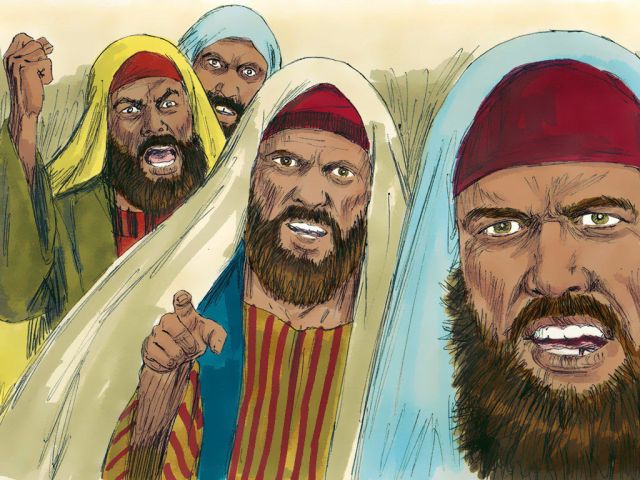
jesus-rejected-nazareth

Then He went out from there and came to His own country, and His disciples followed Him. And when the Sabbath had come, He began to teach in the synagogue. And many hearing Him were astonished, saying, “Where did this Man get these things? And what wisdom is this which is given to Him, that such mighty works are performed by His hands! Is this not the carpenter, the Son of Mary, and brother of James, Joses, Judas, and Simon? And are not His sisters here with us?” So they were offended at Him. But Jesus said to them, “A prophet is not without honor except in his own country, among his own relatives, and in his own house.” Now He could do no mighty work there, except that He laid His hands on a few sick people and healed them. And He marveled because of their unbelief. Then He went about the villages in a circuit, teaching. (Mark 6:1-6)

Rejected In His Own Country

Everyone has a home town where they were born and raised. Many are born in one town but live in many other places. Some are able to grow up in one community establishing lives centered around people who know them all their lives. This was true of Jesus. Born in Bethlehem of Judea, Jesus was taken to Egypt around the age of two years as his parents fled the wrath of Herod the Great who sought to kill the young child’s life. He would stay in this foreign land until Herod died and then be taken to Nazareth in Galilee where He would be the older sibling of four brothers and a few sisters. He would learn the trade of his earthly father in the carpenters shop. Nazareth was a town known for its craftsmen. Jesus would learn the lessons of life in the small town sixty miles north of Jerusalem. He would infuse his life in the community of bakers, farmers, tradesmen and community leaders who saw Him for what He was – an ordinary young man very polite, well ordered and deeply devoted to serving God. There was nothing that stood out about the eldest son of Joseph and Mary with the exception that He was never seen as a trouble maker, disobedient to parents or anything that could be construed as our of order in His life. For thirty years Jesus lived among the people of Nazareth doing what all the other citizens of Israel would do. The carpenter’s son was a good man in the community and that was about all there was to say about that. That would change one day when after some time away the son of Joseph and Mary returned as a teacher with a multitude of disciples.

Jesus had left Nazareth at the age of thirty and began preaching to the multitudes in Judea and in Jerusalem. It was not long before He returned to Galilee but His first reception was not received well. He angered some so much they tried to kill Him but He passed through the midst of them and went His way. Returning a second time the reception was still unfavorable. When the Sabbath came, Jesus began teaching in the synagogue and the people were astonished at His teaching. Not only were they struck by His message, they were confused on how this common man, who was the son of a carpenter, could know so much and explain matters of faith with such clarity. And it was hard for them to grasp the power of His miracles that He performed before them. All they could see was the nice young man who grew up in their town and now He is a vibrant teacher with multitudes following Him and He had the power to do such mighty works – but he is the son of Joseph. How could this be? Instead of seeing the power of His words and the testimony of His power, the people were offended by Him. The Greek word used in the text is where the English word ‘scandal’ comes from. They were shocked this home town kid had the arrogance to heal people and teach powerful sermons. Refusing to acknowledge the brother of James, Joses, Judas and Simon as anything but common, Jesus was unable to do mighty works among the people.

It is incredible to consider that Jesus would be made to marvel but when He realized He could do no more with His own people, He went about the villages in a circuit teaching and showing His power to those who would receive Him. There had to be disappointment in the heart of the Son of God when He taught the people He grew up and they rejected Him. How sad they could only see the little boy that worked in his father’s shop and not the man who was working in the kingdom of His heavenly Father. He would not return to Nazareth again. Their final rejection was their last opportunity. The people of Galilee are like so many today who refuse to see Jesus of Nazareth as anything more than a good man teaching good things. God has revealed His Son in the testimony of the Bible and with a myriad of examples of His divine power demonstrates He is the only begotten Son of God. Each one of the gospels declares the life of Christ as the divine One. From the pages of the Old Testament come the promised redemption of the Savior fulfilled in the epistles and books of the New Testament. There is no greater testimony to the identity of Jesus as the Christ but like those of old people are offended by Jesus and do not believe. A day is coming when there will be no more opportunities and like the people of Nazareth all men will come to know the carpenter’s son was truly the Son of God. Then it will be too late. Jesus will no longer be the man on the pages of a worn book called the Bible – He will be the Judge of eternity with the pristine book of life held in His hand. Do you believe in Jesus the son of God?

Posted in Uncategorized | Leave a comment