
Beware lest anyone cheat you through philosophy and empty deceit, according to the tradition of men, according to the basic principles of the world, and not according to Christ. (Colossians 2:8)
The Halo
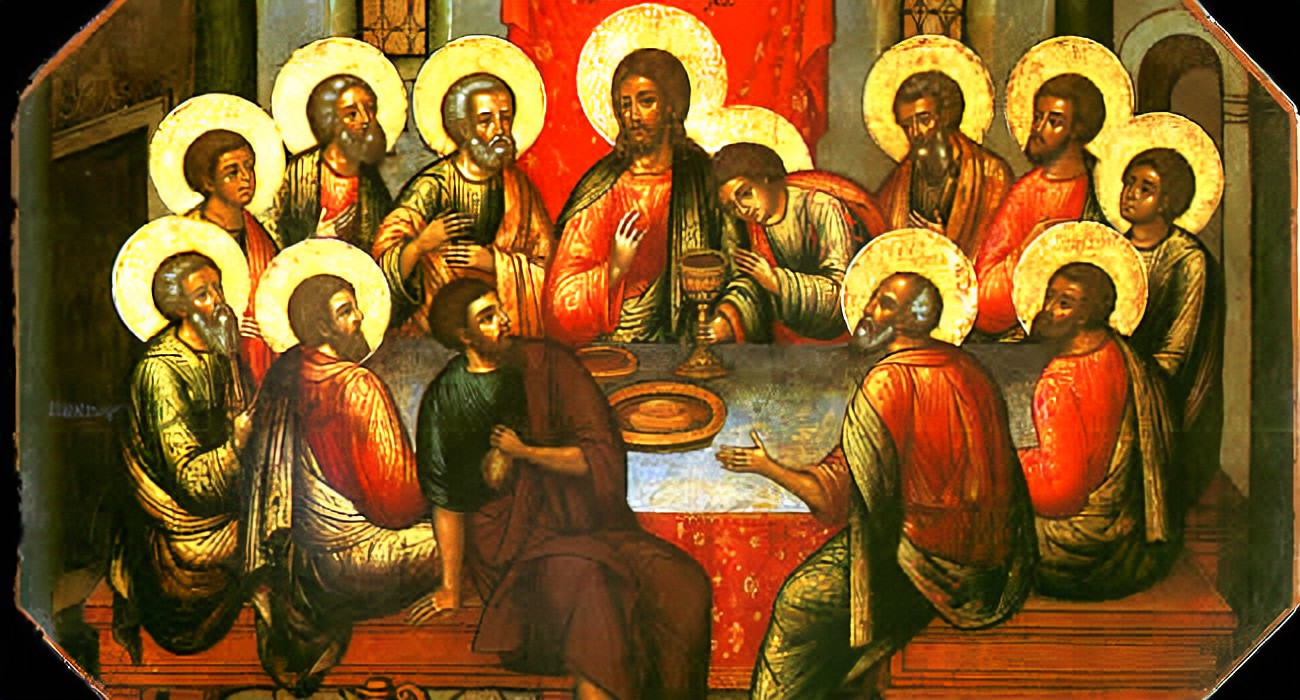
There is nothing new under the sun, and the empty traditions of men have been around since the beginning of time. What makes an error sometimes difficult to clarify is the long assumed acceptance of a truth that is, in fact, false. Truth does not change but creating a false narrative can be believed to be truth if enough time passes and the falsehood is not examined closely. Such is the case with the question of the halo. A halo is an image found in religious art depicting a globe of light surrounding the head of a holy or sacred figure. Using a light around the head predates Christ, as Greek artists would embolden the figures of their heroes with a ring or crown of light. This distinction is also found in Asian art. The halo began to be used by artists in the Christian age around the fourth century.
The Bible never mentions a halo or suggests the heads of saints glowed. Jesus was transfigured on the mountain where His face shone like the sun, and His garments became as white as the light, but this was not a halo. Artists old and new suggest the face of Jesus glowed or shone as He walked among men. Isaiah, the prophet, described the image of Jesus as less than attractive. The truth about the image of Jesus is that in a crowd of twenty people, no one could pick out the Son of God from others as He looked as average as the common man of His day. God never allowed images of His Son to be produced by the whims of men. There is no evidence of what Jesus looked like (how tall he was, the length of His hair, His body size, etc.). Jesus did not come to leave a totem that men would worship.
A halo is a popular icon to describe “saintly people.” Angels are shown in art with haloes. The halo is a misrepresentation of a principle found in scripture that never suggests an image of light shining around the head of God’s people. This would also indicate that the person is not good or saved without a halo. Regardless, a halo is an invention of men that is accepted as a part of the religious world. It may come as a surprise to some that the halo is non-Biblical. The acceptance of a man before God is based on the heart, not a glowing head with a halo. Instead of trying to live to attain a halo, seek to follow the will of God where truth resides. Always be careful to measure the teachings of men with the word of God and reject what is clearly an imagination of human fantasy.
 The Heaton File
The halo is non-biblical but what it represents is not. It should be the work of every Christian to be perfect, to embrace sanctification and testing. Matthew 5:48 Be perfect, therefore, as your heavenly Father is perfect. We are always saved but as the bible refers to Jesus entering the wilderness with the holy spirit and exiting the wilderness in the power of the holy spirit, so too; we can become empowered and seated next to Christ.
It is the work the book of James writes of. 2Consider it pure joy, my brothers, when you encounter trials of many kinds, 3because you know that the testing of your faith develops perseverance. 4Allow perseverance to finish its work, so that you may be mature and complete, not lacking anything. This work is the fire that 1 Cor 3:12 refers to and ends with a warning for failing: He himself will be saved, but only as if through the flames. The halo has never been about good or bad or saved. it is a wrong to suggest that.
Moses wore a vail to hide God’s reflected glory from his followers. This is not a halo but it IS the light from the symbolic halo that is God.
The halo represents the empowered, mature, seated with Christ believer. To deny this is to deny the work of the cross. Only those that fear light would call this fantasy.
LikeLike