The Valley Of Decision

Multitudes, multitudes in the valley of decision! For the day of the Lord is near in the valley of decision. (Joel 3:14)

The Valley Of Decision

Joel was a prophet who preached a simple yet powerful message to rebellious Israel: repent. The setting of Joel’s book is the terrible devastation of a locust plague that became the symbol of God’s wrath against wicked Israel. Joel warns the children of God of greater judgment to come in the coming day of the Lord. This judgment would become a universal message for all men to know the coming of the Lord. Failing to heed the warnings would bring certain destruction. Joel’s prophecies reached into the New Testament as Peter identifies the fulfillment of the prophet’s prophecies to the days of the church. The early Christians’ message echoed Joel’s preaching for all men to repent as Paul warned of the day appointed on which God will judge the world in righteousness.

The day of the Lord has always been something men must face. Adam and Eve faced that decision when they ate of the forbidden fruit. Noah warned the world of the coming judgment through the flood, but only eight were saved when the day of the Lord came. Israel experienced many times the day of the Lord came. First in Egypt, then through the wilderness wanderings, and finally by the hand of the Assyrians and Babylonians. Jesus preached the message of repentance for the coming day of the Lord. The New Testament warns of the coming day of the Lord yet to come. There will be a day when Jesus Christ returns with His holy angels taking vengeance on those that do not know God and those who do not obey the gospel of Jesus Christ. That day of the Lord will be the final judgment.

Joel warns the people of the day of the Lord and challenges them to walk in the valley of decision. The valley of decision is the place all men find themselves. They must answer to God for their actions. No one is unaccountable before the Lord. All men walk in the valley of decision. The valley of decision is where a man decides what he believes and what he will do with his life. Israel needed to turn back to the Lord, and when they left the valley of decision, they chose to rebel. God had granted them every blessing to return to Him to be showered with His grace and love, but they refused. They decide. Their journey in the valley of decision did not move them closer to God; it drew them away.

The valley of decision is where everyone finds themselves as they face the day of the Lord. In the valley are the blessings and mercies of God. The Lord stands ready to receive all those who call upon His name. He has given His only begotten Son to die for the sins of all men. The Bible unfolds the mind of God for men to know and understand the will of the Lord. Every day is an eternal blessing of an opportunity to turn to the Lord in the valley of decision. Sadly, most men leave the valley with their minds made up to serve themselves rather than the Lord. The valley of decision is the grace of God offered for those who are willing to accept and know the redemption of Christ through His blood. A decision must be made, and that choice is made by the heart of men. God has done all that He can do. The heart of man wills to decide whether to accept God’s grace and obey or to seek salvation in self. The latter will fail every time and is the worst decision a man can make. Choosing self in the valley of decision becomes an eternal decision in the valley of Hinnom (Gehenna) or, as Jesus alluded: Hell.

Posted in Uncategorized | Leave a comment

Four Pillars Of Peace

Finally, brethren, farewell. Become complete. Be of good comfort, be of one mind, live in peace; and the God of love and peace will be with you. (2 Corinthians 13:11)

Four Pillars Of Peace

The pursuit of peace has been the longing of men since the beginning. Sin brings conflict. The early world soon crumbled under the weight of wickedness and was destroyed by God. After the flood, the world remained under the darkness of hatred, murder, malice, jealousy, and prejudice. God sent His Son into the world to be a light in a dark world, the message of hope in a place of despair, and peace to troubled hearts. There was a need for redemption so that men could find love and peace, and that was fulfilled in Jesus Christ. The pillars of peace are found in how Paul concludes his letter to Corinth. He exhorts the brethren to be complete, of good comfort, be of one mind, and live in peace. Then the God of love and peace would be with them.

The first pillar of peace is learning to be complete or perfected. This comes from having everything in its proper place in life with the goal and purpose of eternal life. Peace and love come from the order as designed by God. The world was formed in completeness to function as the evidence of God’s power. Just as the world is in perfect symmetry, so must the heart of man be complete in the design of its Maker. The idea of perfecting comes from the idea of mending nets back to completeness and usefulness. Peace and love come from lives ordered by the will of the Father.

Paul’s second admonition is for the brethren to be of good comfort. Peace and love are byproducts of the promises of God. There has never been a promise of God that has failed. It is impossible for God to lie. The soul of a Christian can be comforted by knowing the Father is in control and will not allow His children to be tempted more than they can endure. Everything about the relationship of the child of God with the heavenly Father brings comfort. There is nothing to worry or be anxious about as the Father cares for the child and blesses them without measure. Sharing the heavenly comfort gives comfort to others. When the heart settles in the peace and love of God, there is comfort.

The third part of peace and love is the need for brethren to have one mind. Unity is the foundational bedrock of peace and love. One of the reasons that a heart cannot find peace and love is there is no unity with God or the people of God. Disharmony brings division and carnality. There can be no peace without unity as conflict will rule the heart. Seeking peace is seeking unity. A spirit of love is shared by those who are united as one in the body of Christ. This was a strong message for the church at Corinth because of the intense division plaguing the church. Peace and love returned when the brethren shed their garments of selfishness and petty squabbles. Seeking peace comes first by establishing a spirit of unity.

Finally, peace and love come when the heart desires to live in peace. Attaining peace comes from those who seek peace. It does not come on its own. Unity is the effort to remove division. There can be no peace and love if the people do not have a desire for peace. It can be spoken about, wished upon, longed for, and wished for; but there will be no peace until the heart strives to live in peace. Without peace, there will be no love. Peace and love are dependent upon one another. Being complete and of good comfort in one mind is the path to peace. These are necessary ingredients to the peace that passes understanding. Love is the effort of the child of God to be like his Father. A strong desire motivates the heart to remove past slights and hurts. Forgiveness is at the core of peace and love. It helps soothe the wounds of yesterday.

The God of peace and love will bless His children who seek the welfare of others and the blessing of the Father in heaven. Four pillars of peace establish the temple of completeness, comfort, unity and peace. Build upon these pillars and God’s incredible peace and love will abound in the heart. May the God of love and peace will be with you.

Posted in Uncategorized | Leave a comment

Kingdom Preaching

But when they believed Philip as he preached the things concerning the kingdom of God and the name of Jesus Christ, both men and women were baptized. (Acts 8:12)

Kingdom Preaching

Saul of Tarsus brought a heavy persecution upon the church, scattering the saints everywhere preaching the word. The evangelist Philip traveled to the heart of the mountains of Israel to the former capital of the northern tribes, Samaria. In the days of Ahab and Jezebel, Samaria was the center for idolatrous worship. The devout Jews despised the Samaritans as a half-breed mix of Jew and Gentile. Philip took a bold step by coming to the city of Samaria to preach the gospel of Jesus Christ. Crowds flocked to Philip eagerly, hearing the words about the kingdom of God and seeing the miracles which he did. There was great joy in Samaria. Philip preached a simple message of hope for the people to hear. He preached the kingdom of God and the name of Jesus Christ. As a result, men and women were baptized into Christ.

The early disciples heard a message of the kingdom of God and the name of Christ. Examining the context of what men preached, it is clear the message was to turn the hearts of men to the kingship of Jesus Christ. Preaching the kingdom is preaching the king. Every kingdom must have a lord or sovereign ruler. The people clearly understood the meaning of the kingdom as they lived under the rule of the Roman Empire. There was no democracy in Rome. Caesar was the sole ruler of the empire and had all authority. Preaching the kingdom of God impressed upon the people’s minds that Christ was the sole ruler with all authority.

Every kingdom has a royal covenant or laws that bind the kingdom together. The subjects of the kingdom are required to follow those laws in accordance with the authority of the king. All rights and privileges are contained within that law with measures of security, protection, and blessing. Philip preached the kingdom of God with the covenant of Jesus Christ. The people of Samaria heard the evangelist outline the conditions of entrance to the kingdom. They listened to the word of God, believed the message of the kingdom, understood the authority of the name of Jesus Christ, and men and women were baptized for the remission of sins. Kingdom preaching.

Philip would be amazed at what he would hear preached today. It seems everything but the kingdom of God is the message of the pulpit. Social issues dominate the message of many in the religious world. Politics are often heard from the wooden pulpits of human wisdom. Fun, frolic, and entertainment are the more acceptable modes of preaching. Philip preached the kingdom of God because the gospel is about kingdom preaching. The one who comes to Christ must first accept the authority of God’s Son to rule over their lives. God’s kingdom is not a democracy but a monarchy where the authority only comes from the King of Kings and the Lord of Lords. Jesus was given all authority by His Father. He rules in the kingdom of God. His word is law. When preaching does not come from the law of Christ, it is a false kingdom with failed promises.

Kingdom preaching involves many things. Philip went to a city most despised but needed the gospel as much as anyone. The evangelist did not segregate preaching to one brand of people. He knew kingdom preaching was needed for all people. Philip did not go to Samaria to impress the people with miracles. Salvation did not come through the many miracles done by the evangelist. Kingdom preaching is where the hope of eternal life would come. Philip told the people about Jesus Christ, His rule, authority, love, sacrifice, and commands. This is the message of kingdom preaching. To be a citizen of the kingdom, one must obey the will of the Father. The name of Jesus Christ was the authority. When the people heard kingdom preaching, both men and women were baptized. Why? Kingdom preaching is about washing sins away, which can only be done in the waters of baptism. Obedience. Authority. Acceptance. Preach the kingdom.

Posted in Uncategorized | Leave a comment

Learning About Christ

But you have not so learned Christ, if indeed you have heard Him and have been taught by Him, as the truth is in Jesus: that you put off, concerning your former conduct, the old man which grows corrupt according to the deceitful lusts, and be renewed in the spirit of your mind, and that you put on the new man which was created according to God, in true righteousness and holiness. (Ephesians 4:20-24)

Learning About Christ

There is a change when the heart learns about Jesus Christ and accepts His teachings. The first thing that happens is realizing God’s love that He would grant sinful men to share in His glory. On Pentecost, the people were pricked in their hearts when they realized they had killed the promised Messiah. The man from Ethiopia responded to the preaching of Jesus when he realized his need to wash away his sins. When Paul and Silas were in the Philippian jail, and the earthquake opened the doors and released the chains, the jailor came trembling before them, begging to know what to do to be saved. The word of God changes hearts to obedience.

Salvation does not come only in the obedience of the gospel as hearts respond to the message. The three thousand on Pentecost continued in the apostle’s doctrine, learning about the new covenant of grace found in Jesus Christ. As the Ethiopian returned home, he learned more about the Jesus of Isaiah, and there can be little doubt the Lord helped to guide his mind in the teaching of the early church. Paul and Silas continued to teach the jailor and his household the good news of Jesus. Learning about Jesus first opens the heart to the teaching of Jesus and then instructs the mind of the disciple to follow after God’s will.

Paul explained to the disciples in Ephesus that learning about Christ involves many things. It begins with hearing the word that establishes faith. The gospel is the power of God unto salvation. Learning about Jesus is examining, questioning, searching out, and studying the word to know all that can be known. Truth comes from the word of God, but it has to be mined in a diligent effort of daily meditation. From these studies, the heart will change to be more like the Son of God. As one spends time in the message of Christ, one learns to put away the sinful nature and former ways of life. The heart of a Christian cannot beat to the world’s rhythm. Everything about the carnal mind is subject to deceitful lusts and vanity. Learning about Christ will empty the lusts of the world from the heart.

Putting off the former conduct is a necessary change that transforms the spirit of the carnal man into the devotion of a spiritual man. There are things God demands to be taken out of life. It is not possible to serve God and mammon. Whatever the heart desires will be the driving force in the life of the disciples of Christ. Learning about Jesus removes the carnal mind. Renewing the mind is to put on a new nature, created to be like Jesus Christ. The joy of being a child of God is learning how to look like the Father each day. The change that takes place is when the heart is filled with righteousness and holiness. Learning about Jesus creates a different spirit. Christians do not lie because they did not learn that from Jesus. Anger does not rule the mind of a child of God because they have molded their hearts with compassion. When the word of God changes the heart, many things are removed from the will of men. Learning about Jesus helps combat sexual immorality, stealing, cursing, bitterness, envy, covetousness, hatred, prejudice, and all the sins that shackle the soul. To be free from the wiles of the devil, get in the Book and learn about Jesus. It will change every part of your life. Learn. Change. Grow.

Posted in Uncategorized | Leave a comment

The Difficult Days

Remember now your Creator in the days of your youth, before the difficult days come, and the years draw near when you say, “I have no pleasure in them.” (Ecclesiastes 12:1)

The Difficult Days

One of the paradoxes of the aged is why youth is wasted on the young. The irony of the statement is that all the aged were young once. There is one commonality shared by every man and woman: everyone is born, and everyone dies. In the process of living, the body changes from a steel instrument of youthful vigor to a fading canvas of pain and suffering. It is remarkable that old age surprises people. The young can die, and the old will die, but all men age. Moses describes the oldest recorded man who lived to be 969 years, and then he died. Methuselah faced old age at an odd age, but his body still died. Billions of dollars are spent for youthful pursuits to attain what Juan Ponce de Leon believed existed in a fountain of youth, but he was killed in 1521 at the age of 47. The difficult days come to all men.

Solomon reigned for forty years, and then he rested with his fathers and was buried in the city of David his father. The book of Ecclesiastes is a reflection on the life of an older and wiser man. In his conclusion, the son of David reminds the human soul the human body decays and wears out. He calls them the difficult days. Old age is difficult because of the changes that take place. Sight is diminished, hearing is dulled, and the mind is not so quick. The strength of youth is gone, and the affliction of growing older saps the vigor of youth. Sleep can be difficult. There is an unsteady gate in the walk of an older man and woman. The hair turns white or turns loose. Desire is diminished as the body changes. These are difficult days.

Old age is difficult because the body changes, but it does not always suggest the inner body of man must diminish. Solomon admonished the young to remember God early in life so that when the difficult days of physical limitations come, the spiritual acuteness remains. A man may not be able to leap tall buildings and have the strength more powerful than a locomotive, but his soul should be strengthened with the word of God. Remembering God transcends the difficult days into days of golden glory. What is truly sad is when a man enters old age without God. He may spend all his life grooming his body for a youthful look but to what end? The body will die regardless. Angels are bemused at men who seek to keep youth alive in a fading body of mortality. Difficult days will come to the health conscience, the gym devotee, the puritan, the vegan, the rich, the famous, and the poor alike. It is not a possibility – it’s a reality.

Difficult days are the precursor to a day of happiness. One of the joys of growing older in Christ is the clearer vision of what life has meant and what life awaits. The focus is no longer on the physical body that begins to ache and slow down and lack energy. Disease begins to invade and destroy the body, and through the marvel of medicine, life can be extended, but the body will still die. Remembering the Creator brings a vitality to life that no pill can have. Old men are young and old women rejoice. Life is not difficult. God is the Creator. He has promised that the difficult days will end, and He will wipe away every tear from the eye and take away all pain and sorrow. There are no difficult days in Heaven. Life begins and ends, but eternal life only begins. What a joy the difficult days will be over, and the joy of God’s love is fully realized. Remember the Creator now before the difficult days come (and they are coming). You will be glad you did.

Posted in Uncategorized | Leave a comment

Who Is In Your Harbor?

But the Jews who were not persuaded, becoming envious, took some of the evil men from the marketplace, and gathering a mob, set all the city in an uproar and attacked the house of Jason, and sought to bring them out to the people. But when they did not find them, they dragged Jason and some brethren to the rulers of the city, crying out, “These who have turned the world upside down have come here too. Jason has harbored them, and these are all acting contrary to the decrees of Caesar, saying there is another king—Jesus.” (Acts 17:5-7)

Who Is In Your Harbor?

Paul had come to Thessalonica after his harrowing experience in Philippi, where he had been arrested and thrown into prison. Through the power of God, he and Silas were set free and the jailor and his household became disciples of Christ. Falsely accused by jealous merchants, Paul refused to go away quietly, demanding the officials personally apologize for their mistreatment, especially in light of being uncondemned Romans. The seventy-five-mile trip to Thessalonica included passing through Amphipolis and Apollonia. Paul’s custom was to find the synagogue and spend the Sabbath studying the scriptures with the people reasoning with them that Jesus was the promised Messiah. Ironically, some Jews were persuaded, but a great multitude of God-fearing Greeks also believed. This number included a few of the prominent women of the city that joined Paul and Silas.

The preaching of Paul and Silas did not sit well with the Jewish leaders of Thessalonica. They found it difficult to defend against the arguments of Paul and could not convince many to reject the teachings of Jesus. Paul and Silas were bold in their preaching and many people were turning away from the Law of Moses. The Jews became desperate. Realizing they could not attack Paul and Silas directly, they devised a most unusual plan. The marketplace was a known gathering place for unscrupulous men, troublemakers, and wicked men. Enlisting the aid of certain scoundrels, the Jews led a mob against the house of a man named Jason.

It seemed the home of Jason had been where Paul and Silas had stayed the past few weeks, but Paul and Silas were not there when the mob arrived. Not finding Paul and Silas, the Jewish leaders brought Jason and some of the other Christians before the city council members and charged them with anarchy. They admitted the preaching of Paul had turned everything upside down and caused a lot of problems in Thessalonica. The charge leveled against Paul and Silas was not for something having to do with the Law of Moses but a charge of treason against Caesar. They suggested Paul was acting contrary to Roman law and professing allegiance to another king rather than Caesar. Paul did preach Jesus Christ was king, but as the Lord taught, all men were to render to Caesar what belonged to Caesar and to God what belonged to God.

Nothing came of the charges made against Jason and his fellow disciples. They were required to post a bond and then they were released. Jason and his friends returned to their homes. Paul and Silas left that night for Berea. Nothing more is known of Jason. The church in Thessalonica becomes an example of faith and courage and the Holy Spirit preserves two letters Paul wrote to the saints. When Paul and Silas left and things settled down, the home of Jason became a bastion of spiritual strength. Jason was bold enough to be known by the Jewish leaders as the one who harbored the visiting preachers. His home was targeted as the place the mob came to mete out justice. Jason would always be known as the man whose home was used to keep the troublemakers that preached Christ was king.

A home is a place of security and comfort. When people walked by the home of Jason, what did they see and what did they think? His home was a place of note. It was a place where Christians were welcomed and harbored. Jason’s home would have been first on the list when the persecutions began in earnest years later. The hope and prayer is Jason would have welcomed being first on the list. His home was a place of worship, a place of prayer, and a known harbor for the people of God. If anyone was looking for people of the Way, Jason’s home was where they would begin.

Our homes must be harbors of faith. A harbor is a place of security and commerce. Jason was accused of harboring Christians because the community knew what kind of family lived at his home. The example set by every Christian begins at home. What do people say about your home? Is it a place they would come looking for faithful people of God and disciples of Jesus Christ? Every community must have homes like Jason, harboring godliness, truth, righteousness, and faithfulness. The world is watching. What do they see in your home?

Posted in Uncategorized | Leave a comment

Mighty Men And Women

These are the names of the mighty men whom David had: Josheb-Basshebeth the Tachmonite, chief among the captains. He was called Adino the Eznite, because he had killed eight hundred men at one time. And after him was Eleazar the son of Dodo, the Ahohite, one of the three mighty men with David when they defied the Philistines who were gathered there for battle, and the men of Israel had retreated. He arose and attacked the Philistines until his hand was weary, and his hand stuck to the sword. The Lord brought about a great victory that day; and the people returned after him only to plunder. And after him was Shammah the son of Agee the Hararite. The Philistines had gathered together into a troop where there was a piece of ground full of lentils. So the people fled from the Philistines. But he stationed himself in the middle of the field, defended it, and killed the Philistines. So the Lord brought about a great victory. (2 Samuel 23:8-12)

Mighty Men And Women

The army of King David had its elite members of soldiers who were the special forces of the day. There was Josheb-Basshebeth, who killed 800 men at one time. The story is not told how this feat was accomplished, but it shows the courage and bravery of what one man can do with the power of God. Eleazar, son of Dodo, attacked the Philistines until his hand stuck to the sword. The people had fled, and he remained to fight the Philistines. The Lord brought a great victory that day. After him was Shammah, son of Agee the Hararite. There was a day the Philistines gathered at Lehi and attacked the Israelites in a field of lentils (small reddish beans). The army fled, but Shammah held his ground in the bean field. When the battle was over, Shammah stood over the bodies of the dead Philistines. The Lord brought about a great victory in a field of lentils by one man.

David was a great king fondly remembered for killing the giant Goliath with a sling and stone. He would become a man of war and kill many of the enemies of God. Surrounding himself with mighty men, David united the army of Israel into the most powerful fighting force on earth. There were many who were numbered in David’s mighty men, which included Uriah the Hittite. Abishai killed 300 men with his spear. Benaiah killed a lion in the midst of a pit on a snowy day and also an Egyptian of great size. There were 37 mighty men in the army of David that made a name for themselves. The feats and stories of the mighty men were individual stories of courage, faith, and strength, but each one knew the source of their victory. Victory came about by the hand of the Lord.

Great men and women face the trials of life with faith and courage and the deep conviction that God will bring victory. The work of the Lord does not diminish the courage of the mighty men of David. When the Philistines gathered against Saul and Goliath defied the army of God for more than forty days, no one dared to go against him. It was not until the faith of young David stepped into the valley of Elah and killed the giant. God provides victory, but that can only come when someone stands before Goliath. There was no victory as the army of Israel cowered in fear before the Philistines. Josheb-Basshebeth killed 800 men because he went to war. God gave him the victory. Eleazar fought the Philistines with courage founded on believing that the Lord would grant victory, not him. Shammah defeated the enemies of God in a field of lentils knowing the Lord would bring about a great victory. Great men and women go into battle armed with faith in God.

Victory is not gained on the battlefields of human conflict. Every day, men and women fight against the forces of darkness and heavenly hosts of wickedness on the blackened fields of spiritual conflict. The mighty men and women of God are those who prepare for battle with the armor of God and then go into battle. They fight so hard that their hands freeze to the sword. It matters not where they find themselves, whether in the workplace, the roadways, the home, or the community. If the Christian is standing in a field of beans, he stands with the might of the Lord. Every part of the Christian’s life is a prepared place of warfare against all that denies the power of God. Christians must fight. The armor of God is not a fashion statement, but a way of life and that is war. Mighty men and women fight the good fight every day, winning victories over Satan. The Lord gives the victory to those who are willing to fight. There is no room for the fainthearted and weak. War is inevitable because Satan will not surrender until the Lord comes. His fight is futile, but he will take all those who refuse to fight. Fight. War. Engage. Mighty men and women are mighty soldiers of Christ.

Posted in Uncategorized | Leave a comment

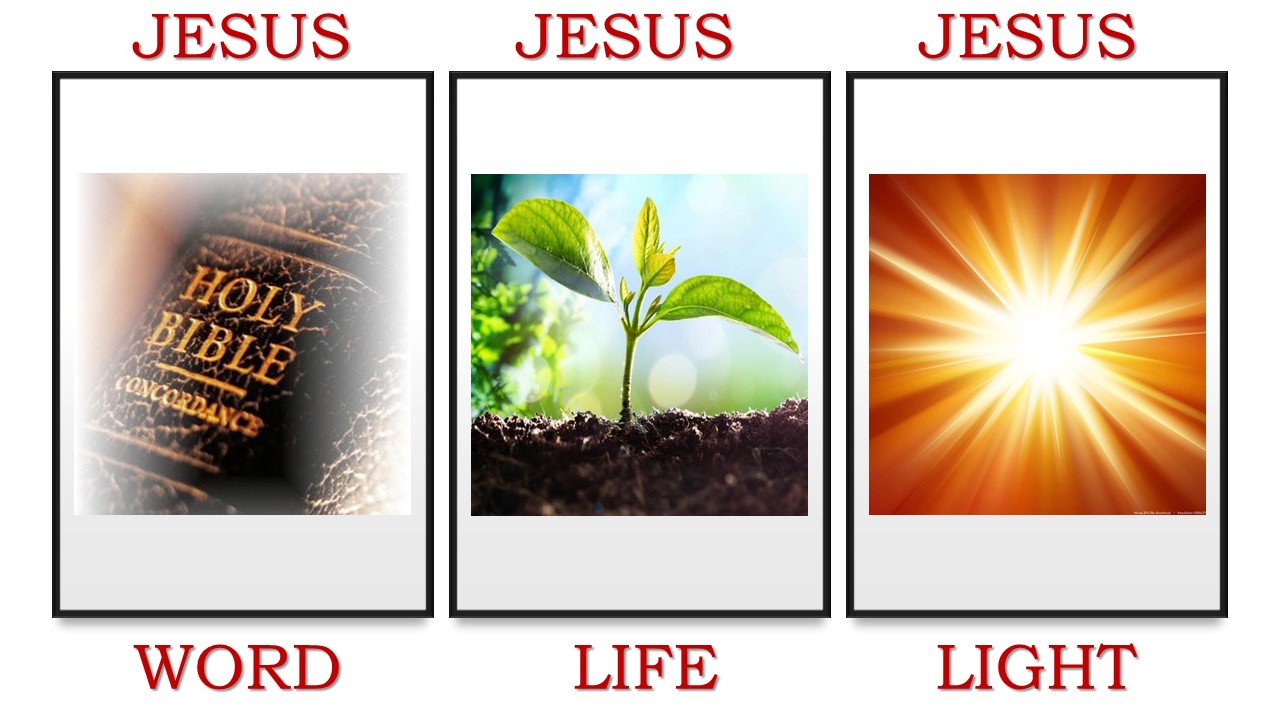
Jesus – The Word, The Life, The Light

In the beginning was the Word, and the Word was with God, and the Word was God. He was in the beginning with God. All things were made through Him, and without Him nothing was made that was made. In Him was life, and the life was the light of men. And the light shines in the darkness, and the darkness did not comprehend it. (John 1:1-5)

Jesus – The Word, The Life, The Light

The four gospels of the New Testament are four unique portrayals of Jesus Christ, the Son of God. Matthew presents Jesus to the Jewish mind and Mark declares the power of Jesus to the Roman mind. Luke paints a picture of Jesus as a man with a body of flesh and John declares the glory of Jesus as God. In the gospel of John, the deity of the Son of God is formulated with proofs of His eternal nature and godhead. In the beginning of his gospel, John declares the character of Jesus as being the Word. Moses began the story of creation with God speaking to bring everything in the world into existence. God said, “Let there be light,” and it was so. The power of the word begins the history of humanity in creation and John begins the gospel of Christ with the Word that is Light. In the beginning was Jesus, and Jesus was with God, and Jesus was God.

The story of Jesus does not begin in Bethlehem but in the divine realms with the Father.  Jesus was not just a good man who changed the world, but God incarnate who moved the world. He was in the beginning with God. That is an incredible thought to consider. The subject of the gospels is about a man who was born of a woman that was in existence before time began. Jesus became flesh and lived on the earth in the same manner as all other men. He faced the same trials and temptations of the flesh and endured the onslaught of the wiles of the devil as all men. When the Jews rejected the man from Nazareth, they had Him killed on a Roman cross. When the body of Jesus gave out, He died. Two men buried Jesus in a tomb and sealed it with a large stone. The life of Jesus was unremarkable except for three things: He never disobeyed the will of His Father, He performed miracles by the Holy Spirit and the tomb could not keep Him.

Jesus was the Word and in the Word was life. All things were made by Jesus and He gave life to the body when Adam and Eve were created. Life comes from Jesus literally. The creation was the beginning of all life and without Jesus, nothing was made that was made. During the ministry of Jesus, He restored life to the daughter of Jairus, the widow’s son from Nain, and Lazarus. The apostles were given the power to raise the dead. There are stories of resurrection not recorded in the gospels, but life came through Jesus. The Word gives life.

The first thing God created was light because everything depends on light to live. Jesus is the light of the world because everything depends on that light. Satan cast the world into darkness and like the beginning of time, it was a place void and without form. Jesus came into the world to recreate the will of the Father. It begins with light. Jesus is the light of men and He shines in a world of darkness. Sadly, the world could not see the light of God in Jesus and they killed Him. This did not diminish the light but released that light in the resurrection for all men of every generation to see Jesus as the eternal light. The Word was Life who became the Light.

Salvation comes from the Word and there can be no hope without the Life. In the Word and through the Life, the Light of God shines clear to the will of the Father. Jesus is the embodiment of the Father’s word, the promise of life in the promises of God, and the only light that shines on the truth of redemption. There is no other name that men can be saved. What man can find hope without the word, life and light? All three are found in creation and all are found in the new creation of Jesus Christ. The word, the life and the light cannot save unless you come to the Word, the Life, and the Light. Come to Jesus, dying sinner, other Savior there is none.

Posted in Uncategorized | Leave a comment

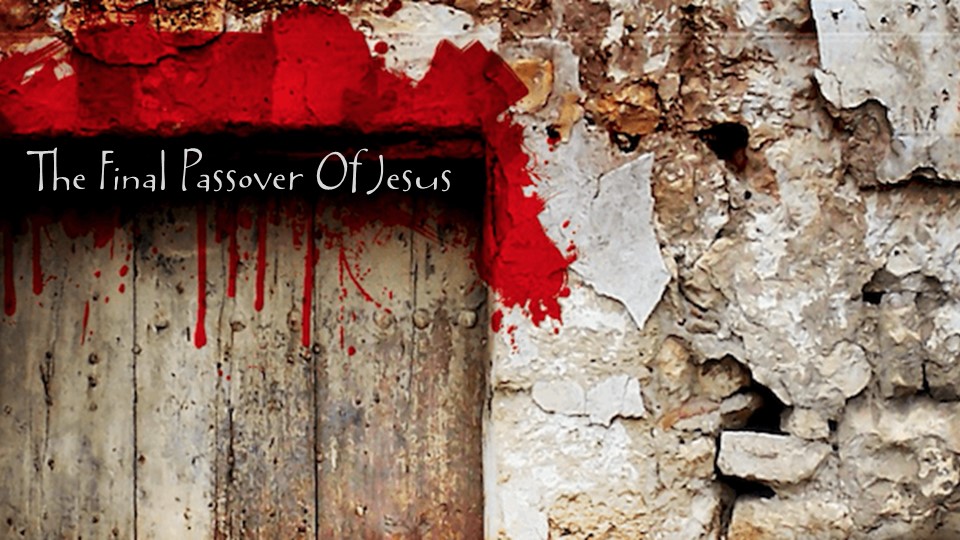
The Final Passover Of Jesus

Now on the first day of the Feast of Unleavened Bread the disciples came to Jesus, saying to Him, “Where do You want us to prepare for You to eat the Passover?” And He said, “Go into the city to a certain man, and say to him, ‘The Teacher says, “My time is at hand; I will keep the Passover at your house with My disciples.” ‘ ” So the disciples did as Jesus had directed them; and they prepared the Passover. (Matthew 26:17-19)

The Final Passover Of Jesus

It is impossible to know the emotions of Jesus as he faced the cross. Great emphasis is placed upon His suffering of crucifixion and the incredible pain inflicted by the executioners and rightfully so as it was intense. What must not be lost are the events leading up to Golgotha. The entry into Jerusalem the week before was highlighted by the people spreading their clothes on the road and many cutting down branches from the trees and spreading them across the road. As Jesus rode a donkey into the city of David, the people cried out, saying, “Hosanna to the Son of David! Blessed is He who comes in the name of the Lord. Hosanna in the highest.” On Thursday, the day before His death, Jesus tells Peter and John to prepare for the Passover. He instructs them to go into the city and they will find a man carrying a pitcher of water. They were to follow him and tell the master of the house to prepare the large room for Jesus and His disciples. Jesus knew He was preparing for His final Passover.

The Passover was one of three principal feasts of the Law of Moses. Passover took place on the 14th day of the first month (Abib or Nisan), followed by the seven-day Feast of Unleavened Bread. The feast hearkened back to the final night the Hebrews were in Egypt and the night of the death of the firstborn in Egypt. It was a night of death and salvation. God told the Hebrews to sacrifice a lamb and put his blood on the doorpost and lintel of their homes. When the Lord passed over and He saw the blood, He would “pass” “over” and not bring death to that home. The homes of the Egyptians did not have blood on a slain lamb on their door, including the house of Pharaoh. Every firstborn (including animals) died in a home where there was no blood.

God instructed the Hebrews to take a lamb without blemish, kill it, put its blood on the door and the flesh was to be roasted and eaten with unleavened bread and bitter herbs. No bone of the animal was to be broken. Jesus had seen for many years the sacrificial lamb sacrificed during the feast of the Passover. It is probable Jesus would have helped Joseph prepare the offering for their family and, after Joseph died, carry on the work as the older brother. Now Jesus prepared to take on His final Passover and He knew it. The lamb killed that night was unsuspecting. Jesus was not. He was fully aware of what was to take place in less than 24 hours. He would become the lamb sacrificed for the sins of all humanity.

The Passover was a very emotional feast with the singing of the Hallel psalms, eating the unleavened bread and drinking the fruit of the vine. No alcoholic wine was used as all leaven had been removed from the feast. Jesus would later refuse the drink offered by the soldiers to deaden the pain. When Jesus tasted the bitter herbs, did His mind leap forward to the bitterness of the cross He was about to bear? As the lamb was prepared, could Jesus see Himself as the lamb offered by His Father? Could He have comfort knowing none of His bones were to be broken? It would be little consolation considering the horror one faced in crucifixion. The Passover was the last time the Lord would celebrate on earth before becoming the Passover for all men.

It seemed almost idle words for Jesus to tell Peter and John to prepare for the Passover. The disciples did not know what was to occur that night in Gethsemane. Did they see Jesus become reflective during the feast and wonder why? Jesus washed their feet and there can be little doubt the emotion on Jesus’ face was unmistakable. After the resurrection and Jesus ascending to the Father, did Peter and John reflect upon that day Jesus told them to prepare for the Passover and see the glory of Jesus in a clearer light? How often did the eleven share with fellow disciples during the weekly celebration of the Lord’s Supper the story of Jesus and the Passover? Jesus went to the upper room and shared the Passover with His disciples – including Judas. Sadly, Judas would never tell the story of Jesus. The Lord knew it was His last Passover, and He learned obedience by accepting the will of His Father. With the thoughts of His final Passover on His mind, Jesus breathed His last and died. The Lamb of God slain. Passover.

Posted in Uncategorized | 1 Comment

Trusting Jesus In The Storm

Now when He got into a boat, His disciples followed Him. And suddenly, a great tempest arose on the sea so that the boat was covered with the waves. But He was asleep. Then His disciples came to Him and awoke Him, saying, “Lord, save us! We are perishing!” But He said to them, “Why are you fearful, O you of little faith?” Then He arose and rebuked the winds and the sea, and there was a great calm. So the men marveled, saying, “Who can this be, that even the winds and the sea obey Him?” (Matthew 8:23-27)

Trusting Jesus In The Storm

Traveling by boat was a quick way to cross the Sea of Galilee, but it came with its danger. Sudden squalls would appear without warning causing the sea to boil like a cauldron. Winds from deep gullies on the eastern side of the lake came crashing down upon the small boats common at that time. Waves crashed over the decks filling the ship with water. In a violent storm, the boat would be battered about, creating peril in the hearts of its occupants. It was a harrowing experience for the seasoned boatsman.

A storm suddenly came upon the boat where Jesus and His disciples had entered to cross the sea. At least four of the disciples were veterans of the sea from their days fishing with their fathers. This storm brought fear to their hearts and greater fear to the remaining disciples. Buckets were furiously filled with water from the boat as the men sought to keep their ship afloat. Peter, Andrew, James, and John worked hard against the wind and the water. The storm continued beating against the small boat filling it with water. Fear gripped the disciples as they thought they were going to die. After Jesus and His disciples entered the ship and began their journey, the Lord lay down and fell fast asleep. As the storm raged and the disciples frantically tried to save the boat, Jesus continued to sleep. Finally, in desperation, the men came to Jesus and woke Him. They feared dying and knew they would all perish from the storm.

Faith comes in many forms. The disciples had entered the boat with Jesus as followers and disciples. It was a beautiful day and the sea was probably a gem of sparkling, clear water with the smell of the sea filling the lungs of the men. Jesus told His disciples He would rest on the journey and lay down, falling fast asleep. As the ship continued its eastern course, suddenly, the clouds turned black and the wind blasted across the water in a violent storm. Quickly, the ship was in peril. The disciples worked hard against the storm, but it seemed useless. As the men fought the storm, no one seemed to take notice that Jesus remained asleep. Their Lord had not risen to help the men but enjoyed his slumber and rest.

In a final act of desperation, the men wake Jesus from His sleep begging Him to save them. That should have told them something. Why could Jesus sleep through such a violent storm? The disciples should have remembered what they had seen from Jesus before this day. Jesus had healed all kinds of sicknesses and diseases among the people. This included the demon-possessed, the lame, blind, deaf, and dumb. Lepers were healed. A young girl was raised from the dead as well as the widow’s son in Nain. Jesus had given the power of God to the twelve to heal the sick, cleanse the lepers, raise the dead, and cast out demons. Why would a storm on the Sea of Galilee bring fear to anyone who knew the power of Jesus? If Jesus slept, there was nothing to worry about because the Son of God could calm the storm – and He did.

The wind and the wave obeyed Jesus because He was the Son of God. There was nothing that any man should fear when they are with Jesus. The disciples had to wake Jesus to calm the storm. If faith had been as courageous as it should have been, the men would realize that if Jesus were asleep, there was no danger of perishing. They could let the winds and waves batter the ship, but with Jesus, there was nothing to fear.

Life can be like a storm on the Sea of Galilee. The lifeboats that traverse the great sea of life face sudden and unexpected storms. Fear fills the heart as the fierceness of life’s challenges seems to overwhelm the most skilled boatsman. Hope is found when one looks to Jesus and sees that He is not afraid, so why should the disciple. The difference now is that Jesus is not asleep. He is fully aware of the struggles and seeks to comfort the child before calming the storm. Some storms bring death, but that is not to be feared either. Paul said that death is being asleep in Jesus. It is then that Jesus wakes the faithful disciple in eternity and says, “Welcome home.” Do not fear. Have faith. He who calmed the storm now reigns.

Posted in Uncategorized | 1 Comment