The Holy Spirit And The Completed Revelation

For I received from the Lord that which I also delivered to you: that the Lord Jesus on the same night in which He was betrayed took bread; and when He had given thanks, He broke it and said, “Take, eat; this is My body which is broken for you; do this in remembrance of Me.” In the same manner He also took the cup after supper, saying, “This cup is the new covenant in My blood. This do, as often as you drink it, in remembrance of Me.” (1 Corinthians 11:23-25)

In the Garden of Eden, God and man spoke directly to one another. The Lord continued to speak to men in the early days of history, giving them the law. Cain and Abel knew the importance of sacrifice. God told Noah to build the ark. Abraham heard the voice of God and followed that voice all his life. Moses communed with God as a man to a friend. When Israel received the Law of Moses, the will of God was given through the written word and taught by the priests and prophets to the people. God did not speak directly to men but only on special occasions, as in the days of Elijah and the prophets.

Before Jesus came to earth, the Holy Spirit was active in revealing the mind of God to the world, whether directly or through the word. The writers of the Old Testament were moved by the Holy Spirit to write the message of salvation down for the people to read and understand. There was never a time when men could not know the will of God, whether Jew or Gentile.

When Jesus came, the Son revealed the word of the Father, and the Holy Spirit was again active in speaking the word of the Father. At the baptism of Jesus, the Holy Spirit was declared to be part of the eternal revelation in the work of saving men. Jesus knew His work on earth was limited, but the Father planned to deliver the completed revelation to all men. The night He was betrayed, the Son of God told the eleven apostles the Holy Spirit would come to guide them into all truth and bring to remembrance the teachings of the Father.

The promise of the Helper was the final stage in preparing the world for the completed revelation of the Father. In the days of the patriarchs, God spoke to men directly. As the Law of Moses was formulated, God spoke less to men directly, and through the inspiration of the Holy Spirit, the will of the Father was revealed.

Jesus manifested the word of God in the physical form; again, the Holy Spirit was the Finger of God confirming the word. In the days of the early church, when Jesus had ascended back to the Father, the Holy Spirit took on the active role of formulating and completing a written record of the will of God so that all men could read and understand what they must do to be saved.

Miracles were given as a sign to confirm the word of the gospel. Jesus told the eleven to go into all the world and preach the word. Miracles would confirm through the Holy Spirit the message of salvation was true. On Pentecost, the Spirit inspired the twelve apostles to preach a sermon that three thousand souls would accept. The early church formed through the work of the Holy Spirit, revealing to the early saints what they must do, how they must follow the plan, and what they should teach in the name of Jesus Christ.

The apostle Paul writes to the church in Corinth about the night Jesus gave the instructions for the Lord’s Supper. Paul was not present at the Passover of Jesus and the twelve. He was called Saul at the time and was an enemy of the disciples. When the church began to grow, Saul made his life mission to destroy the church. Through the grace of God, Saul obeyed the gospel and became one of the strongest defenders of truth. The only way he could have known what Jesus said was through the inspiration of the Holy Spirit.

In the early church, the word of God was revealed through the Holy Spirit and written down. Matthew, Mark, Luke, and John began writing stories about Jesus. The early disciples like Paul, Peter, John, and others wrote letters and epistles to one another and to churches. Through the work of the Holy Spirit, a canon of truth was developed (including the Old Testament) that would contain the fully revealed word of God.

A time came when the Godhead (the Father, Son, and Holy Spirit) no longer spoke to men either directly or through inspiration. The period of miracles ceased. There was no purpose for the direct word of God to be spoken to men and for miracles because the world had a written book that was the perfection of the word of God. The mystery was revealed, the grace of God appeared, and the faith was delivered to the world in final form.

The Bible represents the final revelation of God. There are no further revelations, miracles, signs, and wonders. The Bible is the only book that is from God. Any other book (Mormon, Islam, Catechisms, new revelations) is false and the work of men. The Holy Spirit delivered God’s complete revelation to men and has withstood the attacks of humanism and doubt. God’s word remains true, and all men are liars who reject it.

The Holy Spirit completed His greatest work when He gave the world the Bible. Read it to be wise and search its pages to know how to be saved. This is the only book that will bring you to God.

Posted in Uncategorized | Leave a comment

John Testifies That Jesus Died

But when they came to Jesus and saw that He was already dead, they did not break His legs. But one of the soldiers pierced His side with a spear, and immediately blood and water came out. And he who has seen has testified, and his testimony is true; and he knows that he is telling the truth, so that you may believe. For these things were done that the Scripture should be fulfilled, “Not one of his bones shall be broken.” And again another Scripture says, “They shall look on him whom they pierced.” (John 19:33-37)

John Testifies That Jesus Died

The death of Jesus is central to the salvation of the world. Jesus was viewed as another criminal when He was crucified between two thieves. The Jewish leadership had convinced the Romans to carry out their cowardly purpose. There was relief among the scribes and Pharisees when Jesus died, and for them, nothing changed. What they would come to realize is that when Jesus died, God died. The man in the middle was not just a man; He was the Son of God.

Stories have been told through the centuries of men and women who were considered dead but not. Science had not advanced to the clinical level of modern technology. In some ancient practices, bells were attached to coffins in case of a mistake in the diagnosis of death. Executions could fail and the accused live after suffering a horrific injury. There is a school of thought that Jesus did not die but only swooned death. His disciples resuscitated Him later and fled to Spain; Jesus married and had children. The only proof for modern man is to rely upon the testimony of those who were there when Jesus was crucified. John gives indisputable testimony that Jesus was dead.

After six grueling hours on the cross, Jesus found relief when death swallowed His life. The gospel writers say that Jesus cried with a loud voice, yielded up His spirit, and breathed His last. Because it was the Preparation Day, and the bodies should not remain on the cross on the Sabbath, the Jews asked Pilate to hasten the death of Jesus. Pilate sends word to the Roman guards to break the legs of the accused. After breaking the legs of the two thieves, the soldiers come to Jesus and find that He is already dead. One of the soldiers took his spear and thrust it up through the right side of the chest. Immediately, blood and water flowed out. The Romans were surgical in the science of killing. They knew how to make a man suffer, and they knew how to confirm their victim was dead. The spear to the right side of the chest would puncture the heart and bring certain and immediate death.

When Jesus died, and the soldier thrust his sword into the side of Jesus, the apostle John witnessed that His Lord and Teacher was dead. He saw blood and water come out of the body of Jesus. There could be no reprieve or possibility of saving Jesus. The spear confirmed Jesus was dead. When John writes about the death of Jesus, he offers himself as a testimony to what he saw. There can be no doubt that Jesus died. John would later testify that Jesus was seen alive after three days. The testimony of John is indisputable proof to prove to the world that Jesus died and rose again on the third day. There is no doubt.

The blood of Jesus atoned for the sins of man and, through water, purified the soul from the stain of sin. John saw Jesus die, and he saw what the soldier did. There must have been an incredible joy for John three days later when Jesus stood before him alive and well. When Jesus showed Thomas the wound on His side, John took special note and remembered the blood and water. John saw and testified, and his testimony is true. The son of Zebedee knows that he is telling the truth. There is no doubt Jesus is the Son of God. The things John wrote were given that you may believe that Jesus is the Christ, the Son of God, and that believing you may have life in His name.

Posted in Uncategorized | Leave a comment

We Are Able

Then the mother of Zebedee’s sons came to Him with her sons, kneeling down and asking something from Him. And He said to her, “What do you wish?” She said to Him, “Grant that these two sons of mine may sit, one on Your right hand and the other on the left, in Your kingdom.” But Jesus answered and said, “You do not know what you ask. Are you able to drink the cup that I am about to drink, and be baptized with the baptism that I am baptized with?” They said to Him, “We are able.” (Matthew 20:20-22)

We Are Able

The ministry of Jesus was planned before time began. After the garden of Eden, the world needed a Savior to redeem them back to God, and Jesus was the lamb offered to bear the sins of many. The divine plan was settled in Heaven, fulfilled through the promises of a Seed, and realized in the incarnation of the Son of God. Jesus embodied the scheme of redemption. His work was laser-focused on the work of the Father. Nothing men could do or say would hinder His plan. Through the teaching of the divine plan, Jesus unfolded all the grace of His Father in the message of a spiritual kingdom, the church. His death would offer the world the blood of God’s Son as the price of salvation. Jesus knew He would die on the cross.

As Jesus made His way to Jerusalem, He took the twelve apostles aside on the road to tell them what awaited their master. They did not understand the gravity of the work of Jesus. Their hearts were focused on the here and now, unaware of how much their lives would change very shortly. Jesus was going to Jerusalem, and He would be betrayed to the chief priests and scribes. The disciples would have been shocked to know that Judas would be the one to betray Jesus. Betraying Jesus would set in motion the events leading up to His death. He would be condemned and delivered to the Romans. Jesus would be scourged and then crucified.

Everyone understood the horrific nature of crucifixion. Scourging was an incredible experience preceding crucifixion. Soldiers would use a small whip to lacerate the back of the victim, stopping short of death before placing the instrument of their own death on the back. Jesus was scourged severely by His tormentors. Then, a cross-piece was placed on His back, and He was led to Golgotha and killed. Jesus took the bitter cup of torture and suffering for the sins of the world. There would be no greater cup a man could drink than that which the Son of God bore. Jesus was innocent and free of guilt, yet He died for the sins of the world.

After Jesus told the twelve what would happen to Him in Jerusalem, the mother of James and John came asking a favor. She wanted Jesus to place James and John to sit, one on His right and the other on His left, in His kingdom. The mother of Jesus, like many mothers, wanted the best for her sons. She was bold to ask Jesus for the favor. Viewing the kingdom as so many others, the wife of Zebedee wanted greatness for her sons. James and John liked the idea as they stood listening to their mother appeal to Jesus for the favor. They knew it might cause disagreement with the other ten men, but they were first to ask.

The heart of Jesus must have sunk when He heard the request. He knew what He had come to do. It was the will of the Father that Jesus would bear the bitterest cup known to man, and here was a beautiful mother seeking the best for her sons, and they had no idea what they were asking. Jesus asked James and John if they could bear the cup He was about to bear. They confidently proclaimed they could bear the cup. Little did they know what those words would mean in a short time and how their lives would change dramatically. There was a cup they would bear, but it would not be to sit on the right and left of Jesus.

James and John thought they knew what cup bearing meant. The divine plan was yet to be revealed to them. There was a greater work they would be a part of, but nothing like what they were asking. It is not uncommon for the people of God to have the boldness to courageously embrace a task of a work, little knowing the trials that face them. Becoming a Christian is filled with joy, but there are difficult days as Satan seeks to recapture what he lost. Temptation becomes more real; difficulties are heightened, and separation from the world is a constant battle. There is a price to be paid to serve the Lord. Bearing the cup of Jesus is not an easy task. A simple request by the mother of James and John highlights the innocence of those who say, “We are able,”; and the harsh realities of what that duty means. The twelve men faced a trial. Judas killed himself. The remaining eleven drank deep of their cup and overcame.

Posted in Uncategorized | Leave a comment

Teach Me

Blessed are You, O Lord! Teach me Your statutes. … Teach me good judgment and knowledge, for I believe Your commandments … Accept, I pray, the freewill offerings of my mouth, O Lord, and teach me Your judgments. (Psalm 119:12,26,33,64,66,68,108,124,135,171)

Teach Me

The giving of knowledge and the acceptance of that knowledge have always measured the relationship between God and man. Adam and Eve were given all they needed to know concerning the tree of knowledge of good and evil, yet they chose to ignore the command. God spoke to ancient men to know His word, and the world turned away. Noah was told to build an ark. He obeyed. Abraham left his homeland at the word of the Lord. Moses wrote the Law for the people to read and understand the statutes and divine judgments. Christ came as the living word dwelling among men, showing God’s power. The world killed Him. In the first century, disciples learned the divine will of Christ, writing letters to one another, which became the divine canon. God has never left men without His will. The challenge has been whether the human heart is willing to learn from the holy word.

Psalm 119 is a powerful testimony to the word of God. The writer extols the virtue of knowledge that comes from the Lord. God’s word is likened to a path to walk, seeking the ways of the Lord. There is no lacking for the word of the Lord but what is lacking is the heart desiring to learn more about the will of God. Ten times in Psalm 119, the writer seeks the wisdom of God to teach him the holy statutes, what is good judgment and knowledge, and to understand the divine judgments. There was a deep longing to know God, learn of His will, seek His paths, and be taught by the mercy and grace of a benevolent Father.

“Teach me” is a plea to ask God’s blessings upon the individual. The statutes or laws of God must be learned. There is also an expectation of obedience. Learning the statutes of God comes from a heart wanting to please the Father. In keeping the statutes of God, the writer promises to keep God’s word to the end. There is much in the world to seek, but there is only one prized glory that is eternal: the statutes of God. Knowing the law of God requires having good judgment. The word of God must be understood to apply knowledge and believe in the commandments of the holy word.

God is good, and He does good. Seeking the Lord desires to find that goodness and make it a part of life. Being taught the word of God finds its full expression in worship when free will offerings are given for God’s glory. Forgiveness comes from the Lord upon those taught by God’s word. The greatest joy a man can experience is when the face of the Lord shines upon him, and he knows the will of the Father. As a result of this learning, the lips will sing praise to God for such knowledge.

There are many things to ask of God. The greatest joy comes when the prayerful heart asks God to teach them to know His statutes, judgments, and knowledge. Bible study is vital to that growth, but it can only come from hearts that desire divine guidance. The Christian is a disciple of Jesus, seeking to know more and more each day. Grow in the grace and knowledge of Jesus Christ. Pray God – teach me.

Posted in Uncategorized | Leave a comment

There Will Always Be

For you have the poor with you always, and whenever you wish you may do them good; but Me you do not have always. (Mark 14:7)

There Will Always Be

The world has existed for thousands of years, and one thing has remained a constant from the day Adam and Eve walked out of the garden. Generations change, nations rise and fall, and technology advances, but there will always be parts of life that remain unchanged. Jesus said the poor will always be a part of the fabric of life. There are movements in every aspect of history where men seek to end poverty, but it always is found in the world in one form or another. Henry IV of France promised his citizens a chicken in their pots every Sunday. In 1928, the Republican party seeking to elect Herbert Hoover to office promised a chicken in every pot and a car in every backyard. About ten percent of the world lives in poverty.

There will always be wars and rumors of wars. World War I was supposed to be the war that ended all wars, but twenty-one years after the first world war, a second and much larger world war gripped the world for six years. And wars continued in Korea, Vietnam, Iraq, Bosnia, Kosovo, Afghanistan, and Ukraine. There will always be despots who have no conscience of killing others and taking their lands, and there is nothing the United Nations can do to stop wars. In communities around the globe, crime is an individual war against neighbors. There are many programs seeking to mitigate criminal behavior, but there will always be drugs, prostitution, pornography, rape, murder, abuse, and child neglect; to name a few. Law enforcement agencies will continue to monitor and seek to control the flow of crime, and courts will fill with defendants charged with crimes. It will never end.

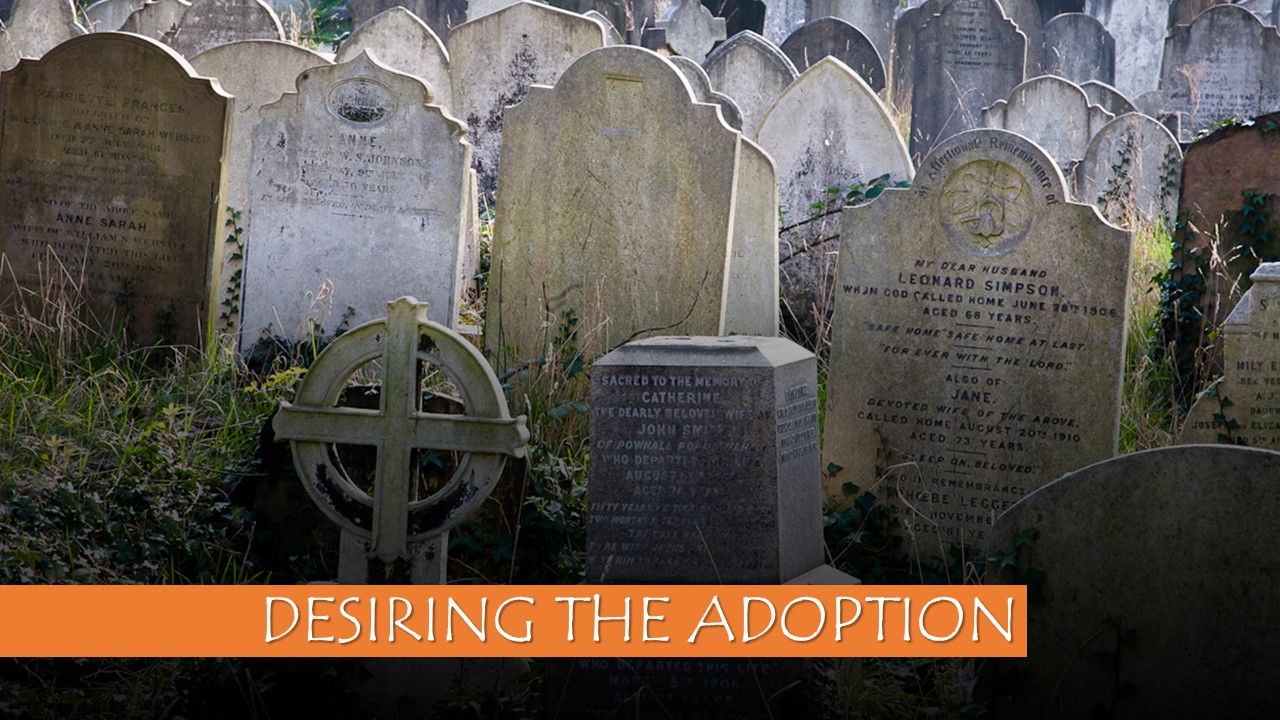
Sickness grips the world. Advances in medical science have changed the course of many diseases, but there will always be illness and death. Some illnesses can be treated and almost eradicated. The common cold still seeks a cure. Many forms of cancer are treatable, but cancer still kills thousands. The disorders of the body bring about dementia, coronary disease, blindness, COVID, diabetes, and a host of medical conditions, but sickness will always be a part of life. The common denominator that every person on earth shares in common is the reality of death. There is nothing man can do to stop death. He can lengthen life by a short span, but he will never be able to prevent death. Cemeteries are vacant appointments waiting to be filled.

There will never be peace on earth, but it is possible to have peace on earth. The world is unchanged from the day sin entered the world. God created a world of perfect harmony without sickness, war, hatred, immorality, and death. Sin changed that. The cause of the problems of humanity comes from the consequence of sin. Death comes to all men because the tree of life given in the garden of Eden was taken away. Sin corrupted the hearts of men to kill one another. The first man born in the world killed his brother. In the days of Noah, the world was so evil God killed all life except eight souls and a barge full of animals. The flood did not stop sin or alleviate the problems of men. History continued to tell stories of famine, wars, and murder.

Jesus Christ did not come into the world to take away poverty, sickness, and wars. He came into the world to take away the pain of sin and bring peace to a troubled world. Men still die, but now they die with hope. Wars still scorch the landscape, and in Christ, joy is found in the promises of the King of Kings. Sickness remains a constant in life. Through prayer and the joy of salvation, death is faced with courage, faith, and hope. Only in Jesus Christ can the trials of life be recognized for what they are, and the heavenly wisdom directs the soul of man to live in the hope of eternal life. There will always be, but one day there will come a time when all those unchangeable parts of life will go away. Jesus Christ will come to take His saints home as the world comes to an end. There will be no more wars. The plague of sickness will end. Joy will fill the hearts of the redeemed. And there we will always be with the Lord.

Posted in Uncategorized | Leave a comment

When Sunday Becomes An Option

Now on the first day of the week, when the disciples came together to break bread, Paul, ready to depart the next day, spoke to them and continued his message until midnight. (Acts 20:7)

When Sunday Becomes An Option

The early disciples did not have two thousand years of history to understand the pattern of the church. They were blessed to live at the same time as Jesus Christ, with many of the saints eyewitnesses to the life, ministry, death, and resurrection of God’s Son. When the church began at Pentecost, what did the saints do? Luke writes that the first Christians devoted themselves to the apostles’ teaching, fellowship, the Lord’s Supper, and prayer. There was no question in the minds of the first disciples about what they must do and when they must do it. Through the guidance of the Holy Spirit, the church began to meet on the first day of the week to worship in accordance with God’s divine plan. Throughout the acts of the apostles, the pattern of the New Testament church revealed itself in a specific pattern and design. The focal point of the worship was the first day of the week.

Troas, a city located on the coast of Mysia, was a regular port of call on coasting voyages between Macedonia and Asia. Paul visited the city often and, on his third mission work, arrived in the city to meet with the brethren on the first day of the week. The disciples gathered to break bread and to hear a sermon by Paul. This was a regular pattern for the saints at Troas, as it was with all the saints who met in churches throughout the world.

One of the early characteristics of the disciples of Christ was the frequency of gathering on the first day of the week. This was not culture or tradition but a command of God. When Jesus instituted the supper, He gave the early church a memorial commemorating the day He would rise from the dead. Jesus rose from the dead on the first day of the week. Under the Law of Moses, the seventh day of the week was a holy day God gave as a day of remembrance. The Law was taken away (including the Sabbath) and the Lord’s Day became the first day of the week. In the modern era, the first day of the week is Sunday. This is the day God ordained as a day of remembrance and memorial to the sacrifice of His Son.

There are numerous references to the early saints meeting on the first day of the week. The first Christians were Jews, but they learned the new covenant was now the first day rather than the seventh day. There does not seem to be any confusion or dissension about the day that now must be celebrated. Later, the writer of Hebrews would exhort those saints not to forsake the assembly with reference to the first day of the week. When Paul wrote to the church at Corinth, he upbraided their abuse of the Lord’s Supper in how they abused the memorial. He reminded them that when they came together, it was for the wrong reasons, and they needed to see the warning from God to ignore the memorial feast of Jesus Christ. There were penalties attached to taking the supper in an unworthy manner; consider the penalty for not being present to take the supper.

The church has celebrated the Lord’s Supper for two thousand years and will continue to do so every first day of the week until the Lord returns. Authority establishes the purpose of the supper and the frequency. To deny the Lord’s Supper is to deny the will of God. The church has constantly been challenged by the unfaithful who deny the relevance and importance of the first day of the week. Some in the body of Christ feel satisfied to miss the services of God’s people on the first day of the week for many reasons. Almost any excuse will keep people at home. Monday morning, they will be at work with headaches and body aches but not so on the Lord’s day.

Faith is marginalized when the first day of the week becomes an option. How can a child of God view Sunday as an option? There were no options given under the Law of Moses for the Sabbath. On one occasion, a man was stoned to death for picking up sticks on the Sabbath. How much worse punishment for those who ignore the first day of the week with excuses, complaints, and blatant disregard? COVID did not change the mind of God to allow His children to “worship” at home as an act of convenience. Jesus died a horrible death. Is the least we can do found on the first day of the week?

Posted in Uncategorized | Leave a comment

The Holy Spirit And The Christian

Now when they heard this, they were cut to the heart, and said to Peter and the rest of the apostles, “Men and brethren, what shall we do?” Then Peter said to them, “Repent, and let every one of you be baptized in the name of Jesus Christ for the remission of sins; and you shall receive the gift of the Holy Spirit. For the promise is to you and to your children, and to all who are afar off, as many as the Lord our God will call.” (Acts 2:37-39)

The Holy Spirit And The Christian

When God gave the world His Son, He also gave the world a gift that would last until the end of time. It was not a one-time gift or an obscure offering. There are many questions about the mechanics of the gift in how it manifests itself, but one thing is certain from scripture: the gift of the Holy Spirit is a blessing given to the people of God. The Holy Spirit and the Christian generate more questions left unanswered than most subjects of holy writ. There are many false views about the relationship, but sometimes in defense of the truth, the blessing of the gift of God is cast out as the baby with the bathwater. One extreme view of the Christian and interaction with the Spirit has deluded the reality of the truth of a deep and abiding (personal) connection with the Holy Spirit. An examination of the scriptures will not support some mystic better felt than told experience. All of the first century Christians experienced the gift of the Holy Spirit. For all those who make a covenant with God, the gift of the Holy Spirit is a promise.

The relationship of the Spirit with the Christian is harmonious with the teachings of scripture. As a part of the revelation of the gospel, the Spirit completes the work of God in the heart of His children. Sometimes terminologies confuse the issue when the heart is prejudiced towards a false doctrine. Saying there is such a thing as the “indwelling of the Holy Spirit” does not, by definition, teach false doctrine. The word of God is abundant in statements of the indwelling. Because false doctrines mistakenly use the terms to define an experience outside the authority of the word as the indwelling, many shrink away from using terms defined by the Spirit.

On the day of Pentecost, the twelve apostles preached the gospel of a resurrected Jesus to an audience of devout Jews. The Holy Spirit was not a new doctrine to the Jews, and they would have been quite familiar with the Spirit. David expressed a strong desire for God not to take away the Spirit from him when he pled his repentance for the sin with Bathsheba. The Holy Spirit was not absent in the Old Testament. He was active in the lives of God’s people. When the Jews responded to the preaching of Peter and the eleven, they begged Peter to tell them what they must do. The apostle told them to repent and be baptized. Obedience would wash away their sins, and by the grace of God, they would receive the gift of the Holy Spirit. Emphasis is always given to repentance and baptism (and rightfully so), but when three thousand Jews repented and accepted baptism to wash away their sins, did they ignore the part of Peter’s reply about receiving the gift of the Holy Spirit? If the Holy Spirit was such a new doctrine to these devout Jews, why would they accept the statement of Peter without confirmation? In whatever form they knew the Holy Spirit, they also accepted the gift of God to receive the Holy Spirit as part of their salvation.

Peter promised that all who repented and were baptized for the remission of sins would receive the gift of the Holy Spirit. Three thousand people received the gift of the Holy Spirit. They did not begin to roll around on the floor or speak in an unknown language or gibberish. Hearing the word of the gospel, their hearts were pricked with guilt, and they sought salvation. In their obedience, God washed away their sins, and the Holy Spirit began to dwell within their hearts through faith. The gift of the Holy Spirit was not dependent on the words of the New Testament – it had not been written yet. What the three thousand received on that day was a gift of God to dwell in a spiritual union with the Father. The Spirit is not the same as the word. The first Christians received something apart from the word of the New Testament. God gives the Holy Spirit to all who obey Him.

The apostle Paul would write extensively about the Holy Spirit. In writing to the Roman Christians, Paul established a clear thesis of the relationship between the Christian and the Holy Spirit as an indwelling. Living according to the Spirit is a personal experience shared between the child of God and the Spirit. As the Spirit stands before the Father, He testifies to the individual’s covenant as a child of God. The Holy Spirit is a helper seeking to increase the faith and help the Christian overcome weaknesses. There is a relationship between the Christian and Spirit the world can never understand. The influence of the Spirit is measured by the same influence as the Father and Son. God could make a man do something without his control, but He does not. Jesus can influence a man to speak in tongues, but He does not. If the Father and the Son will not overpower a man in some charismatic and powerful way, why would anyone expect the Holy Spirit to do what God and Jesus will not do? He dwells in the Christian, but the will of the man measures the work of the Spirit in his life.

Christians are sealed by the Holy Spirit. Established by Jesus Christ, anointed by God, and sealed by the Spirit in our hearts as a guarantee is the greatest gift of salvation. This all comes about by hearing the word of truth, the gospel of salvation, and having believed, are sealed with the Holy Spirit. The gift of the Holy Spirit is an earnest pledge of the promise of God. As the song repeats, “A foretaste of what is to come.” The Holy Spirit helps with the infirmities of the Christian, giving life to the body in the resurrection, and filling the heart with love, joy, peace, longsuffering, kindness, goodness, faithfulness, gentleness, and self-control. If you live in the Spirit – walk in the Spirit.

Posted in Uncategorized | 1 Comment

The Hireling Christian

I am the good shepherd. The good shepherd gives His life for the sheep. But a hireling, he who is not the shepherd, one who does not own the sheep, sees the wolf coming and leaves the sheep and flees; and the wolf catches the sheep and scatters them. The hireling flees because he is a hireling and does not care about the sheep. (John 10:11-13)

The Hireling Christian

Sheep require constant care under the watchful eye of a shepherd who depends on his flock for many of life’s needs. Keeping sheep was not a hobby for those in Biblical times but a daily need of caring, tending, protecting, and leading to green pastures and still water. The life of a shepherd was hard. Constant threats of bears and lions keep the shepherd on guard. Every sheep was important to the family’s income, and if one sheep was lost, it was a tragedy. A good shepherd would do everything in his power to protect his flock. King David kept his father’s sheep when he was a boy. When a lion or a bear came and took a lamb out of the flock, David would go after it and strike it on the head to deliver it. If the bear rose up against David, he would grab it by its beard, strike, and kill it. There was no fear of the young shepherd boy to give his life for his father’s flock.

On occasion, a family would hire a man to keep the sheep. He was called a hireling, which means he was hired to watch over the sheep. His job was to be employed for a limited time and receive a payment at the end of the watch. He had little concern for the sheep as his job was a paid observation of a flock that was not his own. The only thing he considered necessary was what he got out of the employment. If a wolf came up against the flock, he would not give his life for something he had no commitment or reward for and would flee. The wolf would take whatever he wanted, and the flock would be scattered. Hirelings are not devoted to the work. Unlike the shepherd, who is committed to the protection and care of the flock, the hireling is just a temporary part of the work with little or no interest in the outcome.

Jesus explained to the Pharisees that He was a good shepherd willing to give His life for the flock. The purpose of the Son of God coming to earth was to give His life as a ransom for all. Jesus was willing to die for the flock. He died on the cross for every man because He was the good shepherd who gave His life without compulsion. No one forced Jesus to die. He gave His life of His own accord. Unlike David, who took the bear by the beard and killed him, Jesus took the beard of Satan and died. But God had a greater plan to raise His Son from the dead to destroy the works of the devil and accomplish salvation for all those who would come to Him. Jesus gave a full sacrifice as the good shepherd.

The Christian is a disciple or follower of Jesus. Like the good shepherd, the child of God is to be committed fully to the work of the Lord. This requires a heart willing to give time, energy, and devotion to the work of the Lord. God desires to have shepherd Christians dedicated to the kingdom’s work without reservation. Hireling Christians are half-hearted in their desire to grow, encourage, share the gospel, and become better kingdom citizens. There is a sense of doing as little as required and less if expected. Hireling Christians never reach the point of dedication to Christ. Their hearts are just not in it. They attend sporadically, if much at all. The Bible is never opened, and prayer is never a part of life. Life for the hireling Christian is doing as little as possible.

Jesus was the good shepherd leaving an example for the Christian to become a shepherd Christian. When the ewe lamb is born, he must learn to trust in the good shepherd’s voice. As he grows in Christ, the lamb becomes a shepherd in the kingdom of God, looking out for others and doing the will of the Great Shepherd, Jesus Christ. Hirelings are not committed and run at the first sign of danger. Shepherd Christians are willing to lay down their lives for the work of the kingdom.

Posted in Uncategorized | Leave a comment

Blessings Come From How Many Vessels You Have

A certain woman of the wives of the sons of the prophets cried out to Elisha, saying, “Your servant my husband is dead, and you know that your servant feared the Lord. And the creditor is coming to take my two sons to be his slaves.” So Elisha said to her, “What shall I do for you? Tell me, what do you have in the house?” And she said, “Your maidservant has nothing in the house but a jar of oil.” Then he said, “Go, borrow vessels from everywhere, from all your neighbors—empty vessels; do not gather just a few. And when you have come in, you shall shut the door behind you and your sons; then pour it into all those vessels, and set aside the full ones.” (2 Kings 4:1-4)

Blessings Come From How Many Vessels You Have

The northern kingdom of Israel never had a righteous king. From Jeroboam to the final king, Hoshea, the land of Israel was filled with evil, ungodliness, immorality, human sacrifice, and all the trappings of idolatry. God sent His prophets to warn the people of His wrath if they did not repent. Two of the great prophets of the northern kingdom were Elijah and Elisha. During great times of world conflict, the Lord would send His messengers with the power of the Holy Spirit to work miracles and signs among the people showing His judgment on sin. Elisha was a prophet sent by God to show the people the way of truth.

There was a widow in the land who, like many of the day, suffered under the hand of God’s judgment on the wicked nation. The widow was left destitute when her husband died with two sons to raise. Evil men did not pity the widow, declaring her sons would become enslaved to pay the debt she owed. Pleading to Elisha for help, she asked for blessings on the sons of her husband, a prophet. All the widow had to sustain her was a jar of oil. Elisha could have made money appear, or he could have persuaded the creditors to leave her family alone. There were many things the prophet could have done to alleviate the woman’s plight. He tells her to gather as many vessels as possible from friends and neighbors. Elisha exhorts her to gather many vessels and not just a few. The widow follows the prophet’s instructions with little idea of how that would help her cause.

Elisha instructs the widow to gather all the vessels in the room and shut the door. She is to take the one jar of oil and begin pouring it into all the empty vessels until they are full and set them aside. Pouring the oil into the vessels, she fills all the containers until there are no more jars to fill, and the oil ceases. The widow takes some of the oil, pays her creditors, and uses the remaining oil to live on. Elisha instructed the widow to gather as many vessels as she could. The amount of her blessings was dependent on how many vessels she could secure. If she had gathered a few, her blessings would have been few. Collecting as much as she could, her blessings abounded.

The story of the widow’s oil is a story about the blessings of God. All men are impoverished and subject to the slavery of sin. Jesus came to give the abundant life, but the blessings can only be measured by how much a man is willing to seek the blessings of God. Too often, only a few vessels are gathered or none at all. So many blessings are waiting for the child of God that go unused and unasked for. The storehouse of God’s blessings is endless, and all a man has to do is to gather all the vessels of his life he can find and ask God to fill them. And the Lord will fill them. Seeking the blessings of God is where the joy of the Christian life is.

God is willing and able to fill the vessels of life with the abundance of heavenly oil. He could give His blessings without any effort on our part, but we have to gather those vessels. Proportionate to our seeking vessels to fill is where our blessings come. If we gather little, we are blessed little. When we gather much, we are blessed much. Examine how often you seek the empty vessels of life for God to fill. Those vessels represent our faith, our marriages, our families, our jobs, and the work of sharing the gospel with others. Jesus said those who seek, find, and those who ask, receive. How many vessels do you have?

Posted in Uncategorized | Leave a comment

I Love Money

But those who desire to be rich fall into temptation and a snare, and into many foolish and harmful lusts which drown men in destruction and perdition. For the love of money is a root of all kinds of evil, for which some have strayed from the faith in their greediness and pierced themselves through with many sorrows. (1 Timothy 6:9-10)

I Love Money

The need for currency has always moved the world in commerce and economic growth. There have been many versions of how the exchange was represented, whether by barter, coins, oil, paper, or land, but the outcome was the same. Transactions between parties were sealed in one form or another. The token used as money served as a legal tender that an item had exchanged hands. Early man worked in metallurgy which, from the beginning of time, established the use of coins as money. The Chinese introduced paper as a means of money. Modern technologies introduced electronic versions of currency in different forms. The mechanism of currency has changed since the beginning of time, but one thing has remained a constant: covetousness and greed.

Man is the only creature that will kill another over a coin or piece of paper. A bear will walk along a river seeking food and stumble across vast amounts of gold but will pay no heed or concern to the glittering mineral shining in the water. He only wants to find his next meal. A man will walk the same river and discover gold, and his life will change. The heart fills with a strong desire to find more and more, consuming the man with a feverous passion. He will guard his stake with all of his life. How many men have been killed over the possession of money? Lotteries are heralded as opportunities to have instant wealth in the millions of dollars, reaching as high as $1.586 billion. Money is not the evil no more than gold in a river. The love man places on currency is where sin and degradation begin.

Paul warns the people of God to refrain from the desire and love of money. The Holy Spirit never condemns wealth. Many of God’s greatest servants were very wealthy. Abraham, Job, Solomon, Matthew, and probably Paul himself before he became a Christian. Money is a necessary part of life that allows a man to work and provide for his family. In the early church, the disciples helped one another in need. Collections were taken up weekly to help support the work of the church. The desire to be rich comes from a heart filled with covetousness. God wants His people to be content with what they have. Desiring to have wealth can destroy a soul. Loving money takes away the heart of love devoted to God. Because of the love of material things, children of God have abandoned their faith and worshiped the dollar more than the Lord.

Loving money is misusing the blessings given by God. Currency is a form of exchange to provide for a family and to help others. The Christian works to provide for his own and seek opportunities to share what he has with those in need. Jesus told the story of a rich man that was blessed beyond measure seeking to store his crops in new barns. The failure of the man’s heart was his unwillingness to share with others. God called him a fool. Anyone seeking money is a fool because money has no value to a dead man. The wealthiest man in the world will die and take nothing with him. Sadly, many Christians waste their lives seeking after the wealth of the world rather than the riches of eternal life. Loving money invites disaster. Allowing the love of money to consume the heart will lead to all things unholy. Love God. Use His blessings to glorify Him.

Posted in Uncategorized | Leave a comment